
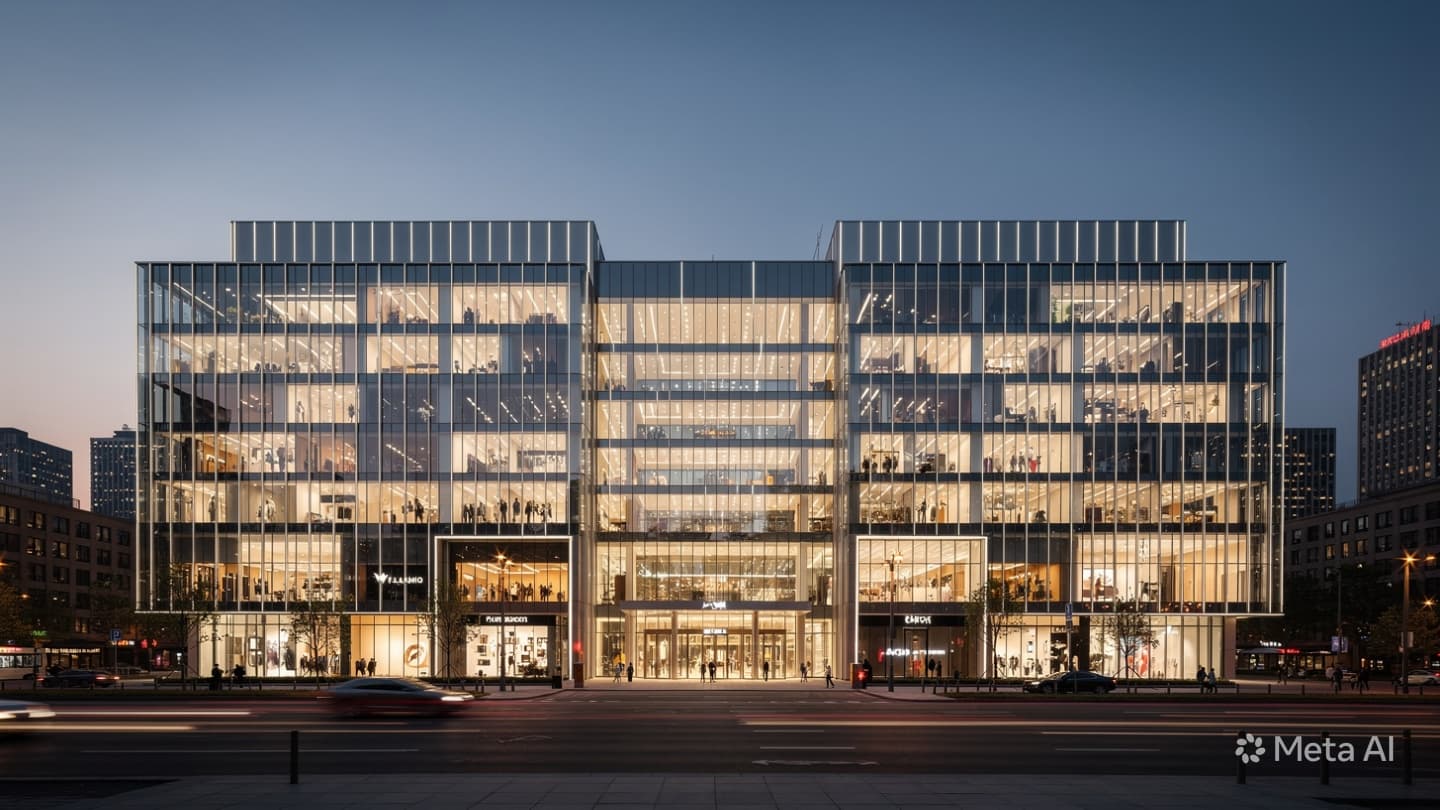
The modern, multi-story shopping centers that dot the affluent neighborhoods of Colombia’s major capitals have long been viewed as modern sanctuaries of consumer comfort and urban security. Behind their polished glass facades, grand air-conditioned atriums, and well-lit walkways, these plazas offer an environment where families, business professionals, and international tourists gather to escape the chaotic energy of the surrounding streets. Within these sleek spaces, the complexities of the outside world seem temporarily suspended, replaced by the familiar global rhythms of commerce, dining, and leisure.
In recent months, however, a series of audacious security breaches has fundamentally challenged the perceived safety of these commercial havens. Organized networks of armed thieves have begun targeting wealthy patrons, luxury boutiques, and upscale restaurants located directly inside these high-end public malls. Utilizing sophisticated tactics and demonstrating an unprecedented level of boldness, these criminal cells carry out swift, aggressive robberies using both firearms and bladed weapons, turning spaces of leisure into scenes of sudden, terrifying confrontation.
The nature of these targeted incursions has sent a wave of alarm through both the local business community and the hospitality sector, which relies heavily on maintaining a safe environment for visitors. Eyewitnesses describe incidents where small teams of well-dressed assailants blend seamlessly into the shopping crowds before drawing weapons to demand luxury watches, high-end electronics, and substantial sums of cash from unsuspecting individuals. The speed and precision of the assaults frequently catch private mall security personnel entirely off guard, allowing the perpetrators to flee into the urban traffic before police can arrive.
This disturbing escalation in public criminality has prompted international diplomatic missions to issue updated travel advisories for major metropolitan areas, including Bogotá, Medellín, and Cartagena. These official communications warn foreign nationals and wealthy expatriates to exercise heightened vigilance when visiting popular commercial districts and shopping centers that are known to attract international visitors. The advisories emphasize the importance of keeping a low profile, avoiding the public display of expensive jewelry or valuable timepieces, and cooperating fully in the event of an armed confrontation.
The psychological impact of these high-profile robberies extends far beyond the immediate material losses suffered by the victims. For many urban residents, the realization that armed violence can penetrate the heavily guarded perimeters of exclusive shopping complexes has created a deep sense of vulnerability. Spaces that were once frequented with absolute confidence are now approached with a watchful caution, as patrons find themselves scanning crowds and sitting near exits rather than fully immersing themselves in the social experience of the plaza.
In response to the growing public anxiety, major commercial associations and corporate mall operators have convened emergency summits with municipal police commanders to overhaul their security protocols. Initiatives are currently underway to integrate advanced facial recognition software into existing surveillance networks, increase the presence of plainclothes security personnel, and establish direct emergency communication lines with specialized police response units. These corporate leaders acknowledge that safeguarding the reputation of these commercial hubs is vital for sustaining economic investments and tourism.
Within the judicial system, investigative task forces are working to trace the specialized fenced networks that rapidly liquidate stolen high-end luxury items on the black market. Law enforcement officials note that many of these mall robberies are highly orchestrated, involving scouts who spot potential targets in upscale hotels or restaurants before coordinating with armed teams to execute the theft within the shopping center. While several prominent arrest campaigns have successfully dismantled individual theft cells, the lucrative nature of the trade continues to attract new criminal actors.
As evening settles over the city, casting a warm, brilliant glow across the sleek glass arches of the commercial plazas, the shoppers within continue to navigate these spaces with a newly heightened awareness. The luxury displays remain brightly illuminated and the cafes remain open, but the atmosphere carries an unspoken undercurrent of caution. The pursuit of an unburdened public life, free from the sudden intrusion of armed threat, remains a central priority for a society striving to preserve its spaces of communal gathering.
Note: This article was published on BanxChange.com and is powered by the BXE Token on the XRP Ledger. For the latest articles and news, please visit BanxChange.com