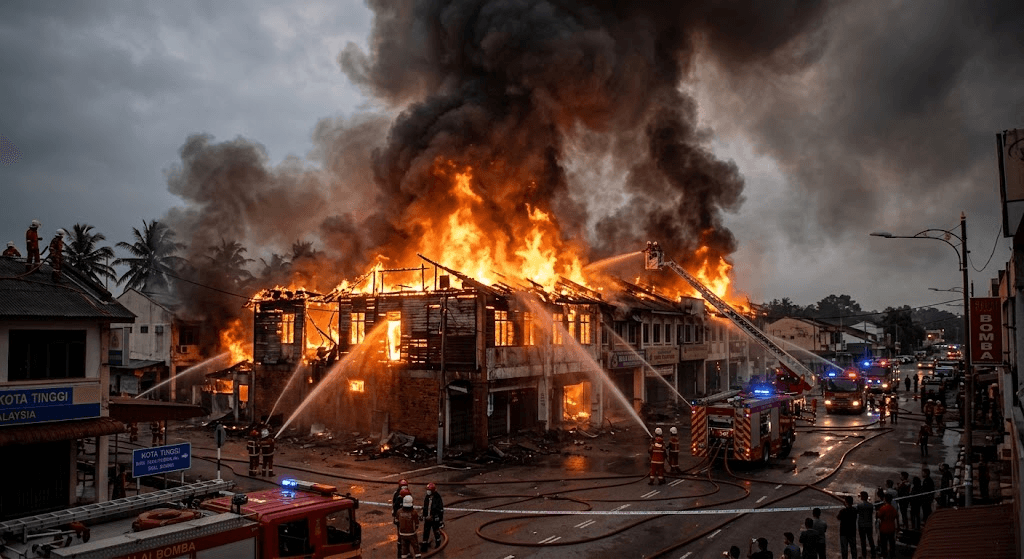
The North Island’s landscape is defined by its rolling green pastures, dense native forests, and quiet provincial towns that seem to exist in harmony with the natural world. In these communities, life moves with the deliberate pace of the seasons, rooted in agriculture, local commerce, and deeply held traditions. The geographic isolation of certain areas fosters a strong sense of independence and self-reliance among the inhabitants. For decades, the dominant narrative of the region has been one of pastoral peace, where the land provides a stable backdrop for generations of families.
Yet, beneath this tranquil surface, shifts in social dynamics have begun to reconfigure the relationship between these remote towns and the wider nation. The expansion of illicit networks into provincial territories brings a different kind of friction, one that disrupts the traditional hierarchy of community life. The presence of rival factions vying for influence introduces an element of unpredictability that rattles the quiet routine of rural roads and small-town centers. It is a subtle erosion of the peace that residents have long taken for granted.
When localized friction escalates into open visibility, the collective anxiety of a region begins to manifest in small, unmistakable ways. Parents keep closer watch over their children, shopkeepers lock their doors a little earlier, and the casual openness that once defined daily interactions is replaced by a cautious reserve. The realization that modern criminal complexities have taken root in pristine valleys forces a difficult reckoning. The community is left to wonder how to preserve its identity in the face of external pressures.
The response from authorities requires a delicate balance between a visible show of force and an understanding of local sensitivities. An influx of specialized police units alters the visual landscape of these quiet areas, with marked vehicles patrolling roads that rarely see heavy enforcement. The objective is to restore a sense of structural boundaries, reminding those who operate outside the law that the state's reach extends to the furthest corners of the island. It is a slow, methodical process of reclamation.
Enforcement operations in these areas are rarely straightforward, often requiring investigators to navigate tightly knit networks where information is carefully guarded. Officers must build trust with residents who may feel caught between the immediate threat of local factions and the distant authority of the legal system. The work involves a steady accumulation of intelligence, targeted interventions, and a consistent presence designed to disrupt illicit activities before they can disrupt public life further.
As the crackdown intensifies, the long-term future of these communities becomes a topic of quiet discussion among elders and civic leaders. There is a widespread recognition that enforcement alone cannot resolve the underlying social issues that allow criminal networks to find footing. The challenge lies in reinforcing the social fabric, providing opportunities for youth, and ensuring that the isolation of the region does not translate into economic vulnerability. The police presence provides a temporary shield, but the true rebuilding occurs through community resilience.
The physical beauty of the North Island remains unchanged by these human conflicts, the mist still settling over the hills and the rivers flowing steadily to the sea. The temporary disruption caused by checkpoints and search warrants will eventually fade, leaving the communities to process the lessons of the intervention. The goal remains a return to the quiet normalcy that has always been the true hallmark of provincial life.
An increase in gang-related activity across several regions of the North Island has prompted New Zealand authorities to launch an urgent, coordinated police crackdown. The initiative involves deploying specialized task forces to conduct targeted raids, establish vehicle checkpoints, and increase visibility in affected regional communities. Police officials stated that the operation aims to disrupt the distribution networks of illicit goods and address recent public confrontations between rival groups. Multiple arrests have been made, and authorities emphasize that the enhanced enforcement measures will continue until local stability is firmly restored.
Published by Banx Network. This article is part of the Banx decentralized media programme, powered by the BXE token on the XRP Ledger.