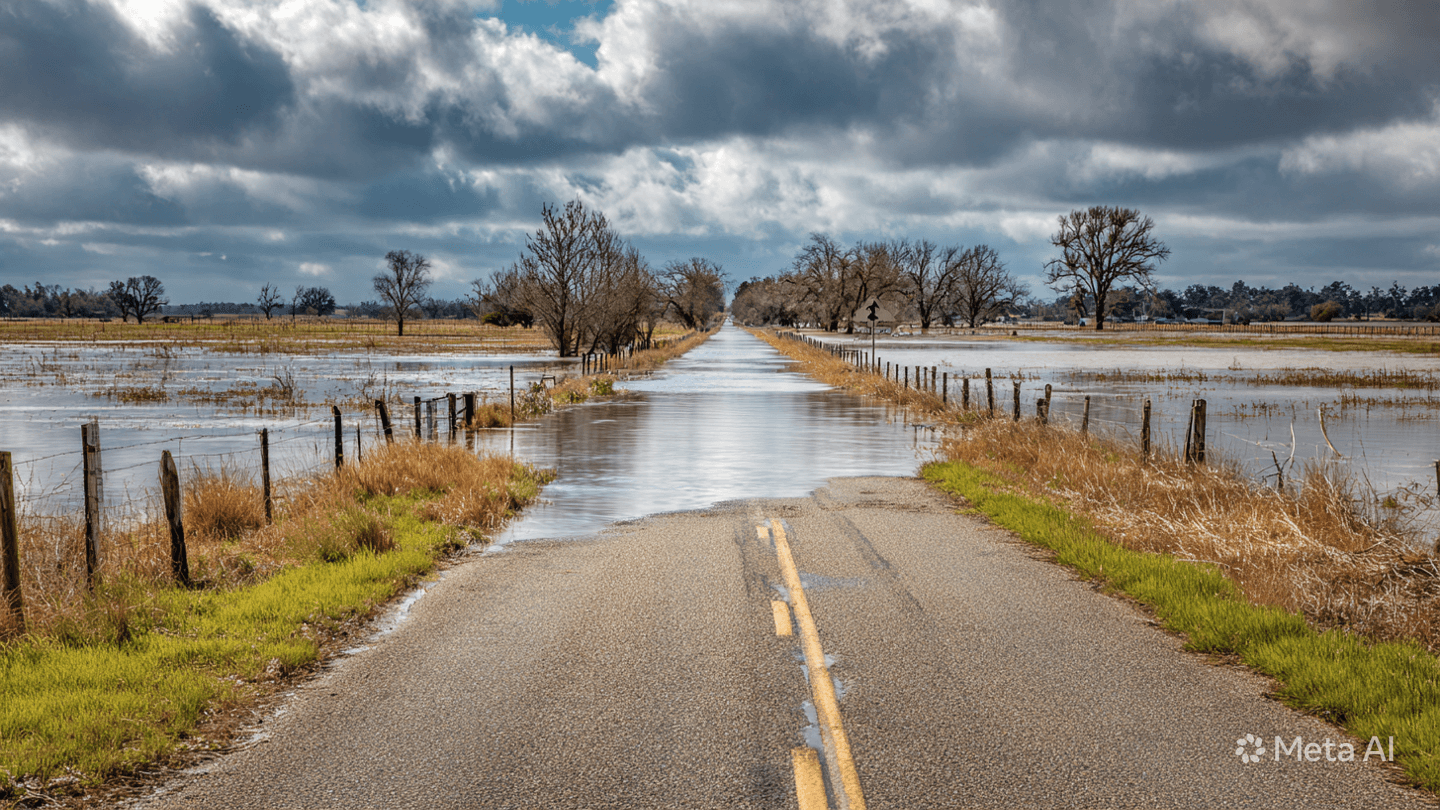
The sky has been a persistent, iron-grey canopy for days, pouring a relentless deluge upon the rolling landscape of the rural heartlands. As the rains continue, the rivers that once defined the contours of the valley have begun to overflow their banks, creeping into the lowlands with a slow, deliberate persistence. The monsoon has arrived, not as a seasonal visitor, but as an elemental force that has effectively severed the lifelines of the region. Key transport routes, once the arterial paths of commerce and connection, have been swallowed by the rising tide, isolating communities in a sea of mud and turbulent water.
For the residents of these rural districts, the flood is a reminder of the delicate balance between the earth and the water. As the roads become impassable, the movement that typically characterizes daily life—the morning market trips, the transit to school, the transport of agricultural yields—has ground to a quiet, forced halt. The landscape is undergoing a transformation, with familiar landmarks now partially submerged, their forms blurred by the opaque, silt-heavy water. It is a time of stillness, where the urgency of work gives way to the necessary patience of waiting for the elements to recede.
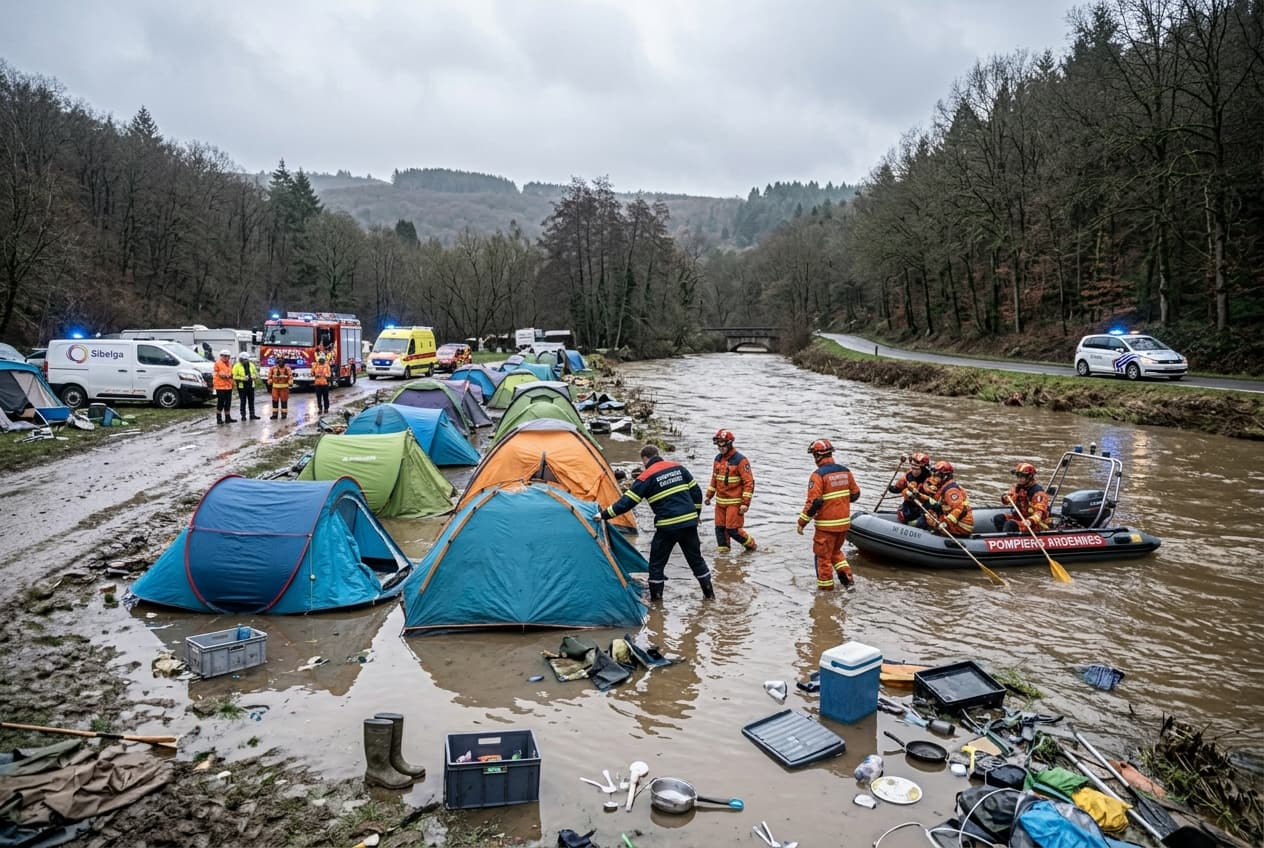
The impact of the blockage is particularly profound for those in the more remote outposts, where the road network provides the only viable link to essential services and healthcare. With bridges compromised and stretches of asphalt lost to the wash, the ability to reach help during an emergency has become a challenge of navigation rather than distance. The situation has forced a shift in strategy, as communities rely on local knowledge and the use of smaller, waterborne vessels to navigate the paths that once served as the primary thoroughfares.
There is a contemplative rhythm to this isolation, a forced pause in the frantic pace of the modern world. In the evenings, as the rain continues to drum against the roofs, the village lights flicker in the distance, each one a testament to those weathering the storm together. It is an experience of collective endurance, where the shared difficulty of the situation fosters a quiet, mutual reliance. The flood, while a source of disruption, has also brought into focus the enduring strength of the communities that call these river-fed lowlands their home.
As the authorities assess the extent of the damage to the infrastructure, the scale of the task ahead begins to emerge. The erosion of embankments and the saturation of the road foundations present a challenge that will persist long after the water levels begin to drop. Engineering teams are currently monitoring the situation, waiting for the rains to stabilize before they can begin the long, arduous process of restoring connectivity. The roads, once thought to be reliable, now stand as evidence of the power of the monsoon and the vulnerability of the region’s development.
The recovery effort will be as much about the restoration of spirit as it is about the repair of physical paths. Plans for the distribution of aid are being coordinated to ensure that those who are most isolated receive the resources they need to sustain themselves until the waters recede. It is a logistical endeavor that relies on the cooperation of regional agencies and the dedication of volunteers who have stepped forward to navigate the flooded routes. The effort is focused, calm, and deeply committed to the well-being of those affected by the blockage.
As the weather patterns fluctuate, the focus remains on the safety of residents near the riverbanks. The monitoring systems, though stretched by the intensity of the event, continue to provide the necessary data to help guide the response and ensure that information reaches those in the most vulnerable areas. It is a precarious time, yet there is a sense of preparation, a calm acknowledgment of the seasonal cycle that dictates life in these districts. The flood will eventually recede, leaving behind the muddy marks of its passing, but the community is already looking toward the horizon of the post-rain season.
The current situation across the rural provinces remains critical as persistent monsoon rains continue to obstruct primary transport corridors. Local authorities have issued warnings regarding the condition of several key roads and bridges, which remain submerged or damaged by the intense runoff. Regional disaster management teams are coordinating relief efforts, focusing on the delivery of essential supplies to isolated communities and the continuous monitoring of rising water levels. Officials have advised residents to exercise extreme caution and remain attentive to official guidance as response operations proceed.
Published by Banx Network. This article is part of the Banx decentralized media programme, powered by the BXE token on the XRP Ledger.