
Trade relationships often resemble bridges stretching across wide rivers. They connect markets, industries, and consumers, yet they also require constant maintenance. When disagreements emerge, even well-established economic connections can face renewed strain.
The Trump administration has proposed a 25% tariff on a broad range of Brazilian imports, arguing that several Brazilian trade practices place unfair burdens on American commerce. The measure follows a lengthy investigation conducted under Section 301 of the U.S. Trade Act.
According to the Office of the United States Trade Representative, concerns include intellectual property protection, anti-corruption enforcement, digital trade policies, market access issues, and environmental enforcement related to illegal deforestation. U.S. officials contend that these practices disadvantage American businesses.
The proposed tariff would not apply uniformly across all products. Several major Brazilian exports, including coffee, beef, aircraft components, energy products, and certain strategic minerals, would be exempt from the additional duties.
Officials described the proposal as a targeted approach rather than a blanket trade restriction. Public consultations and hearings are scheduled before any final implementation, allowing businesses and stakeholders to provide input.
The announcement has added another chapter to an evolving trade relationship between Washington and Brasília. Previous tariff measures involving Brazil faced legal challenges, prompting the administration to pursue a different legal pathway for potential trade penalties.
Brazilian officials have criticized aspects of the proposal and signaled disagreement with the U.S. findings. While negotiations between the two governments have continued, substantial differences remain regarding trade policy and regulatory standards.
Economists will be watching closely to determine how the proposal may affect bilateral trade flows, business investment, and pricing in sectors connected to Brazilian imports. The final outcome may depend as much on diplomacy as on economic calculations.
For now, the tariff remains a proposal rather than a completed policy. The consultation process will continue in the coming weeks, while both governments evaluate their next steps in one of the Western Hemisphere's most important economic relationships.
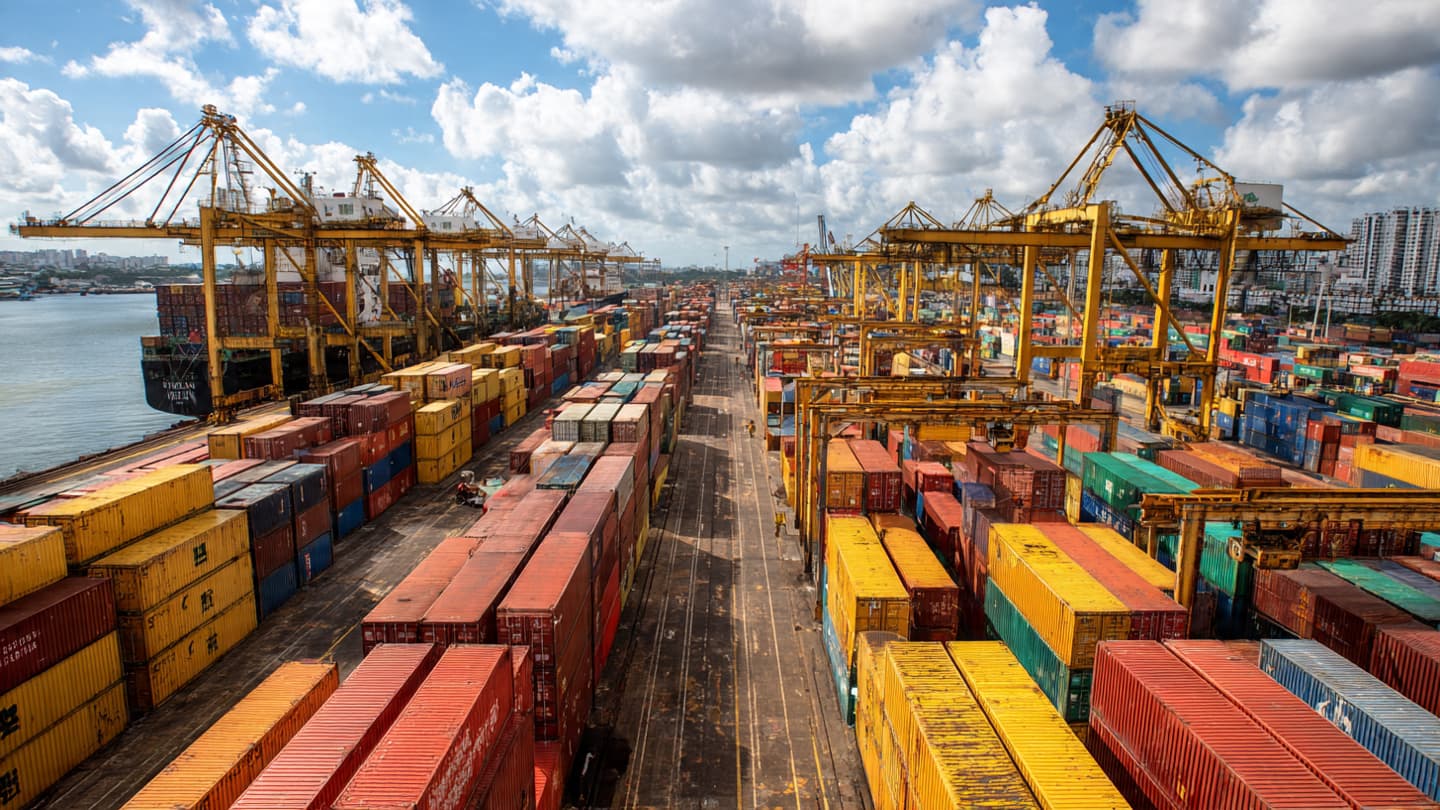
AI Image Disclaimer: This article may feature an AI-generated illustration created solely to visually support the news story.
Sources (Verification Check): Reuters, Associated Press, Wall Street Journal, Boston Globe
Note: This article was published on BanxChange.com and is powered by the BXE Token on the XRP Ledger. For the latest articles and news, please visit BanxChange.com