
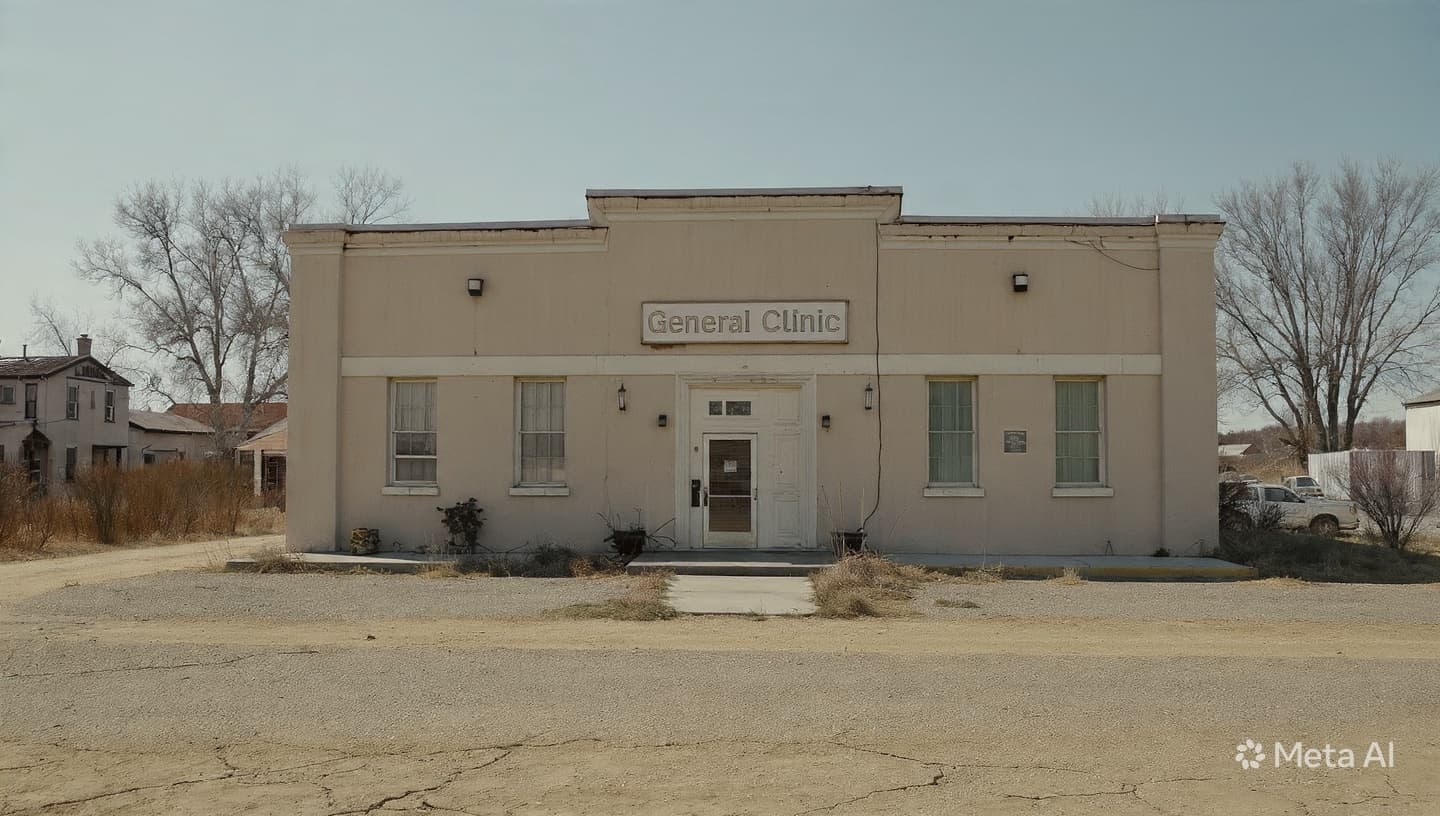
In the moments following a violent encounter, time is the most precious resource. Yet, for many in Nicaragua, the path to emergency care is obstructed by a reality that is as sobering as it is systemic. To reflect on the limitations of medical emergency services for crime victims is to understand a landscape where the right to healing is often constrained by a lack of resources, equipment, and timely, specialized intervention.
The reality of the public healthcare system is one of profound disparity. While Managua may house facilities with international certifications, the vast majority of the country—particularly rural and coastal regions—is left with clinics that struggle under the weight of staff shortages and the absence of basic supplies. For a victim of a violent crime, this means that even after the initial trauma, a secondary crisis begins: the struggle to find a facility capable of providing the necessary life-saving care.
One contemplates the human toll of this administrative and physical distance. The scarcity of ambulance services and the unpredictable response times are not merely logistical challenges; they are barriers that determine outcomes for the most vulnerable. It is an editorial reality that for those outside the capital, the difference between recovery and long-term suffering is often tied to the availability of transport and the presence of a functioning, well-stocked clinic.
We must also reflect on the broader context of forensic and specialized support. When hospitals lack the capacity for acute trauma management or evidence collection, the cycle of justice is further stalled. A victim is left to navigate a system that often cannot provide the medical documentation required to move forward, effectively placing the burden of their recovery—and their legal recourse—on their own shoulders.
For the observer, this situation is a call to recognize the systemic fragility that lies beneath the surface of daily life. It is a reminder that in our globalized world, the promise of modern medicine is not a universal constant. It is a service that remains tethered to geography, infrastructure, and the political will to invest in the collective well-being of the population.
As we look toward the future, the conversation must shift toward a more equitable distribution of medical resources. The call for improved emergency services is not just a call for better equipment; it is a fundamental demand for the human right to life and integrity. It is an editorial insistence that no citizen—and no visitor—should be left in a state of abandonment when they are at their most vulnerable.
Current assessments confirm that medical services, particularly for emergencies and crime-related trauma, remain severely constrained outside of major urban centers like Managua. Many public facilities are reported to be understaffed and frequently lack essential supplies and advanced medical equipment. International advisory bodies continue to emphasize these limitations, noting that individuals in need of urgent care or forensic medical examinations may face significant challenges, often necessitating expensive medical evacuation or travel to more central, better-equipped facilities.
Note: This article was published on BanxChange.com and is powered by the BXE Token on the XRP Ledger. For the latest articles and news, please visit BanxChange.com