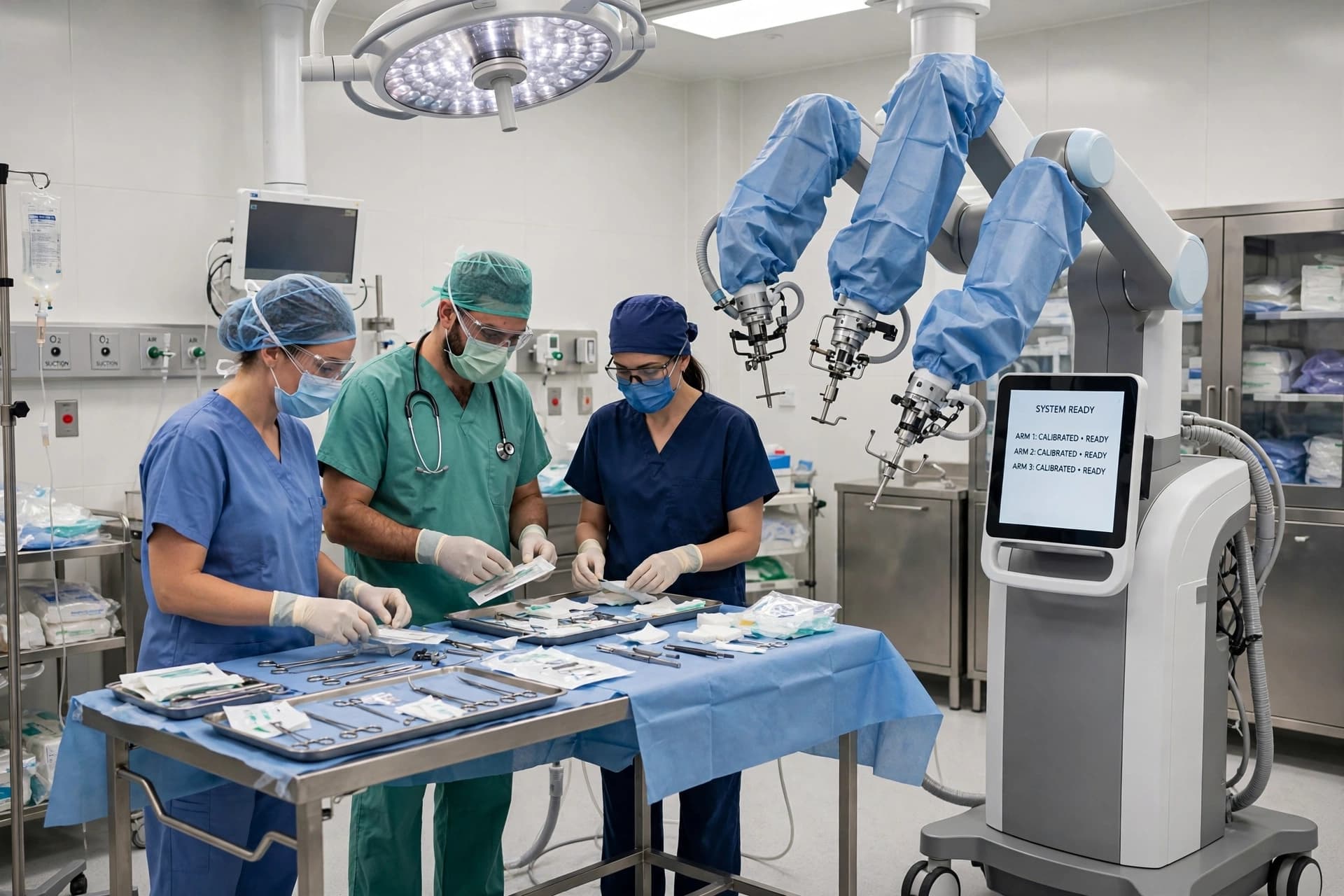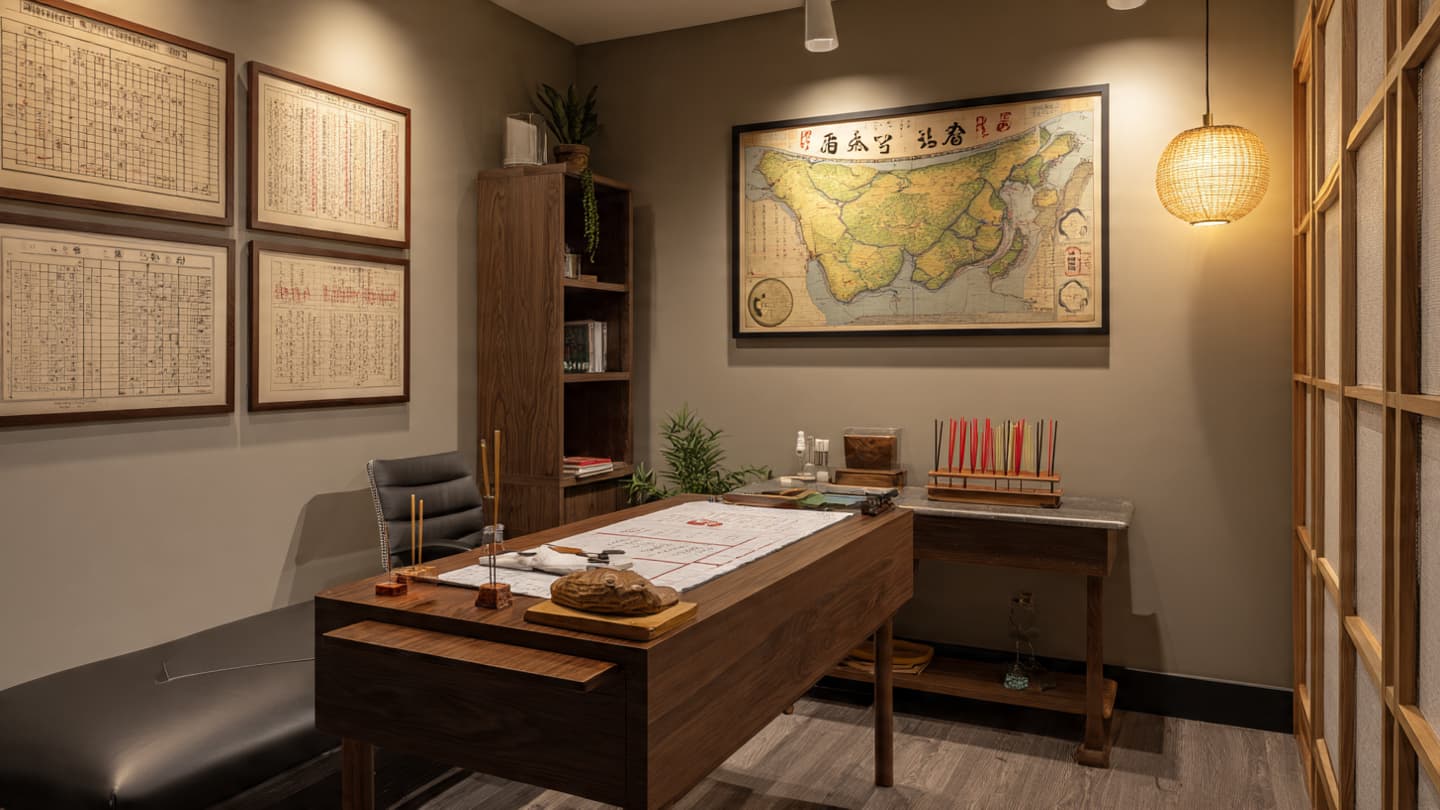
The landscape of healing has long been defined by its borders, a geography where the ancient practice of traditional Chinese medicine and the empirical rigor of modern clinical care have stood as separate, often silent, neighbors. For the patient navigating the long, winding path of a chronic condition, this divide has frequently meant managing their health in silos, translating between two different languages of wellness. Yet, a quiet shift is occurring in clinics across the globe, as practitioners from both traditions begin to explore a more collaborative, patient–centered future, one that values the strengths of both ancestral insight and contemporary technological precision.
At the heart of this evolution is a shared recognition: chronic conditions are rarely simple. They are deep, multifaceted realities that affect the entire architecture of a person's life, from their physical vitality to their emotional resilience. Where modern medicine offers the vital strength of intervention, diagnostics, and precise chemical management, traditional practices—such as acupuncture, herbal medicine, and mindful movement—bring a focus on balance, flow, and the subtle, underlying rhythms of the body. When these two modalities are brought into the same room, the result is often a more comprehensive approach to health.
The collaboration begins with a shift in perspective. Instead of viewing these traditions as competing frameworks, eligible modern clinics are increasingly inviting practitioners of traditional medicine to participate in the care of those living with enduring health challenges. It is a dialogue of mutual respect. In these settings, a patient might receive a targeted prescription to manage a physiological marker, such as blood pressure or glucose, while simultaneously engaging in traditional therapies designed to address the systemic stress and fatigue that often accompany chronic illness.
This integration is not about a blending of sciences, but a widening of the lens through which we view the patient. For a person managing a condition like persistent pain, immune dysregulation, or metabolic fatigue, the inclusion of traditional wisdom provides tools for stabilization that modern medicine sometimes lacks. The practitioner of traditional medicine looks to the quality of the patient's rest, the alignment of their digestion, and the presence of internal tensions, offering interventions that encourage the body’s own inherent capacity to return to a state of equilibrium.
The logistical framework of this collaboration is as deliberate as the philosophy behind it. These partnerships are typically housed within integrated centers where diagnostic data is shared, communication is open, and the patient remains the central point of coordination. It is a slow, methodical process of building trust, ensuring that every treatment plan is grounded in safety and clear, evidence–based goals. The objective is never to replace one tradition with another, but to provide a more nuanced, supportive environment for those who carry the weight of a long–term diagnosis.
The benefits of such an approach are beginning to emerge in the lived experiences of patients. Many report a decrease in the burden of medication side effects and a greater sense of autonomy in their own healing process. There is a palpable difference in the clinical atmosphere when a patient feels that their entire self—their history, their daily habits, and their internal state—is being acknowledged and cared for. It is the restoration of a more human element to the practice of medicine, a acknowledgment that healing involves more than just the elimination of symptoms.
As this collaborative model gains momentum, it invites us to reconsider what "care" truly means. It suggests that the future of medicine may not lie solely in the discovery of new, more potent molecules, but in the creative, thoughtful synthesis of all the healing arts available to us. By bridging the gap between the modern laboratory and the ancient clinic, we are building a more inclusive architecture for health, one that is as expansive and complex as the human experience itself.
The movement toward integrated care is supported by evolving guidelines in both public health and institutional policy. Modern clinical networks are increasingly partnering with certified traditional medicine institutions to provide multidisciplinary support. These collaborations are being formally evaluated in several regions to monitor patient outcomes, focusing on quality of life, the reduction of long–term pharmaceutical dependence, and the stabilization of chronic markers. As this integration deepens, it serves as a bridge for patients who seek a more holistic, yet medically secure, path to wellness.
Published by Banx Network. This article is part of the Banx decentralized media programme, powered by the BXE token on the XRP Ledger.

.jpg&w=3840&q=75 "Qantas Grounds Plane After Passengers Report Bedbug Bites")