Like chapters left unfinished on a shelf, some criminal investigations remain open for years, waiting for new evidence to give them direction. Time may soften memories, but it does not lessen the responsibility to seek answers. Advances in investigative methods have increasingly allowed authorities to revisit long-unsolved cases, offering renewed hope that longstanding questions can eventually be addressed through careful examination of the evidence.
Toronto police have announced an arrest in connection with a homicide that occurred in 2006 while confirming that investigators continue to search for additional suspects believed to have been involved. The development follows a lengthy cold case investigation that combined traditional detective work with modern forensic techniques.
According to the Toronto Police Service, the victim, Patrick Santos, was found dead in September 2006 at a residence in Scarborough. Investigators determined that he died from asphyxiation after being restrained. Despite extensive investigative efforts at the time, no suspect was identified and the case remained unsolved for nearly two decades.
Police said that DNA evidence collected during the original investigation became central to the renewed inquiry. In recent years, investigators used advances in forensic science, including investigative genetic genealogy, to generate new leads that ultimately helped identify a suspect. Authorities emphasized that the genealogy process provided investigative direction rather than serving as the sole basis for the arrest.
A 43-year-old Hamilton man has been charged with first-degree murder in relation to the case. Investigators have also stated that they believe multiple individuals participated in the events surrounding the homicide and that efforts are continuing to identify and locate other potential suspects. As with all criminal proceedings, the accused is presumed innocent unless proven guilty in court.
Police continue to appeal to the public for information, noting that even details that may have appeared insignificant in 2006 could now assist investigators. Detectives believe additional witnesses or individuals with relevant knowledge may still be able to contribute to the ongoing investigation.
Cold case investigations have increasingly benefited from technological advances in DNA analysis and digital forensic techniques, enabling law enforcement agencies to revisit evidence collected many years earlier. While these developments cannot erase the passage of time, they can strengthen the ability of investigators to establish facts and pursue accountability through the judicial process.
The investigation remains active as Toronto police continue searching for additional suspects connected to the 2006 homicide. Authorities encourage anyone with information to contact investigators or Crime Stoppers as the case proceeds through Canada's legal system.
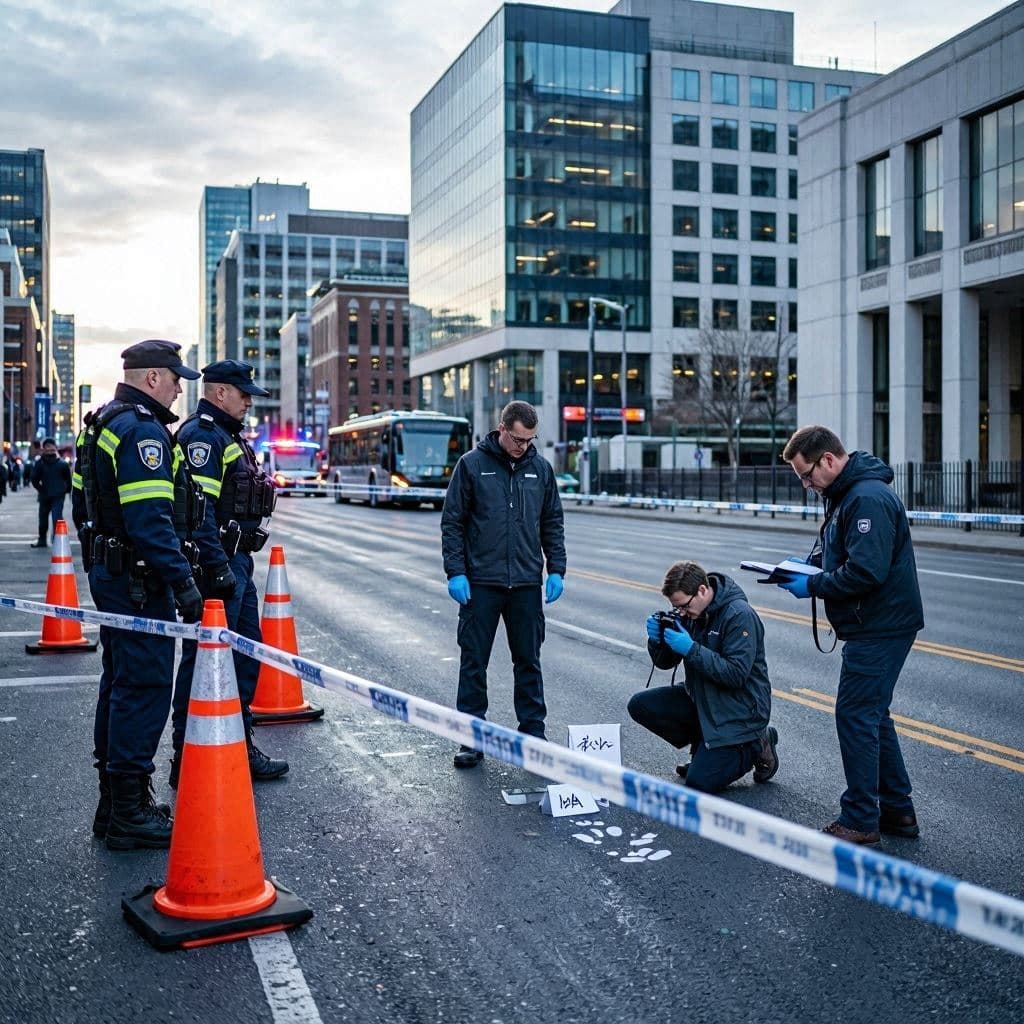
AI Image Disclaimer: The images accompanying this article are AI-generated editorial illustrations intended solely to provide visual context. They do not depict the actual individuals, locations, or events involved.
Sources:
Toronto Police Service CBC News CityNews Toronto
Note: This article was published on BanxChange.com and is powered by the BXE Token on the XRP Ledger. For the latest articles and news, please visit BanxChange.com