The sweeping mountains and historic coastal terraces of Cuba’s eastern provinces are deeply accustomed to the seasonal rhythms and occasional furies of the Atlantic hurricane season. Yet, the atmospheric system that materialized late last year shook even the most seasoned emergency planners. Hurricane Melissa, which exploded into a catastrophic Category 5 monster with 185 mph winds over the Caribbean Sea, took direct aim at the island’s second-largest city, Santiago de Cuba, and the surrounding agricultural heartlands of Granma and Holguín.
Faced with a disaster of historic proportions, the Cuban National Civil Defense instituted its highest state of readiness, transforming the quiet towns and urban corridors into zones of rapid, disciplined collective movement. Over the course of 48 hours, a massive state-coordinated mobilization shifted nearly three-quarters of a million people out of low-lying coastal areas, river valleys, and vulnerable housing structures. Hundreds of school buildings, sports complexes, and sturdy municipal halls were rapidly converted into temporary shelters, their long corridors echoing with the quiet anxiety of displaced families.
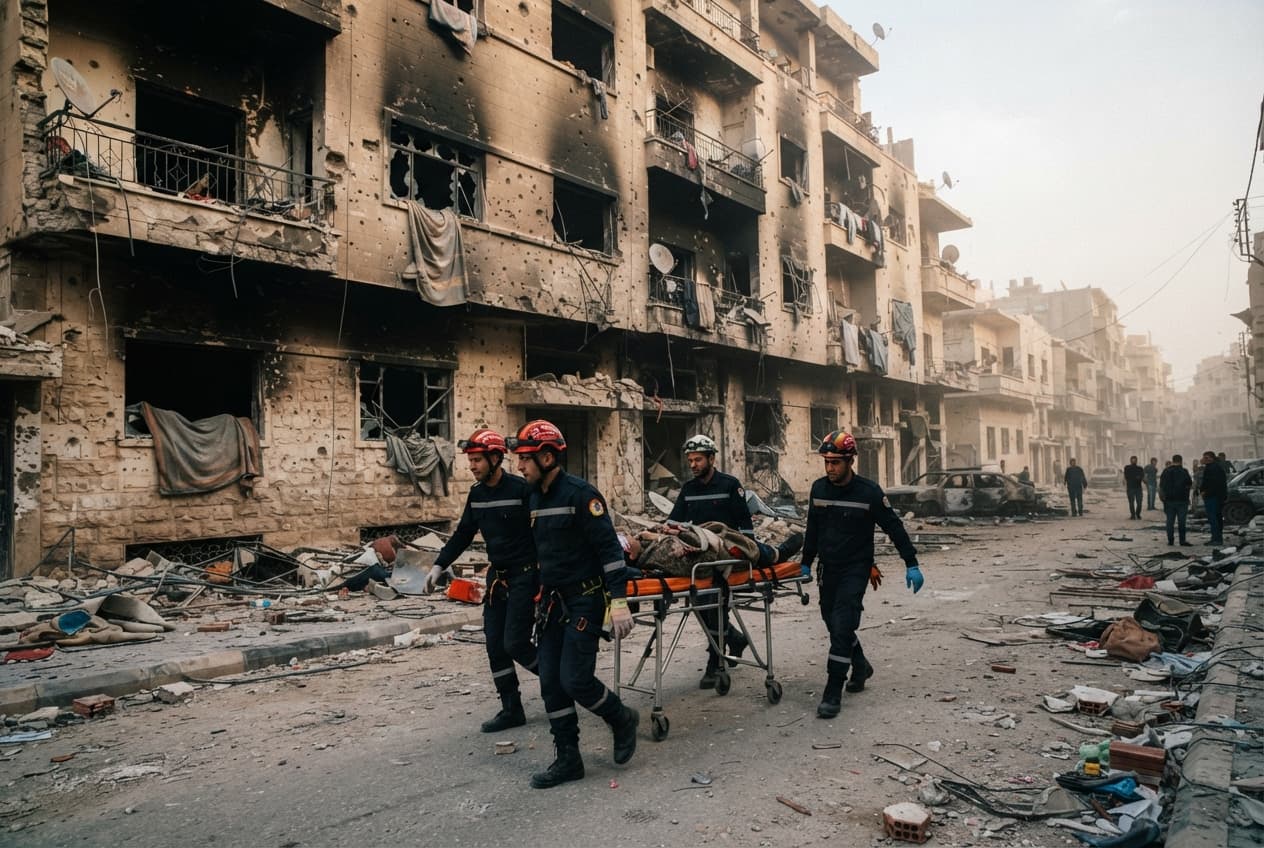
The system made landfall near Chivirico as a Category 3 hurricane, driving a powerful storm surge that flooded historic coastal avenues and slamming the terrain with sustained winds of 125 mph. The relentless rainfall triggered severe flash floods and mountain landslides, isolating rural communities and instantly dropping trees, communication lines, and structural roofs. For the historic city of Santiago de Cuba, the initial dawn revealed a scarred landscape of shattered glass, buckled facades, and water-logged streets.
The long-term aftermath of the storm has introduced a complex humanitarian challenge, heavily compounding pre-existing structural pressures across the country. The destruction of critical transmission towers and localized distribution grids collided directly with ongoing national energy and fuel shortages, plunging whole provinces into prolonged, multi-day blackouts. Without reliable electrical power, municipal water-pumping infrastructure failed, forcing hundreds of thousands of residents to depend entirely on intermittent water trucks.
Furthermore, the stagnant waters left by the torrential rains have significantly heightened public health risks in an already overburdened environment. Health officials are working intensely to counter the proliferation of mosquitoes and prevent the spread of dengue and Oropouche viruses amid these localized sanitation failures. The suspension of non-urgent medical services and disruptions to the pharmaceutical cold-chain have turned the physical recovery from the storm into a multi-layered, slow-moving crisis.
Despite the severe damage to over 215,000 homes, the sweeping preventive evacuations are credited with saving countless lives during the height of the storm's fury. The disciplined execution of early-warning protocols highlighted a deep-seated community resilience, where neighbors and local Civil Defense committees worked in lockstep to secure vulnerable populations before the first winds arrived. The focus now shifts toward the massive, protracted task of rebuilding infrastructure and restoring normal economic life to the battered eastern region.
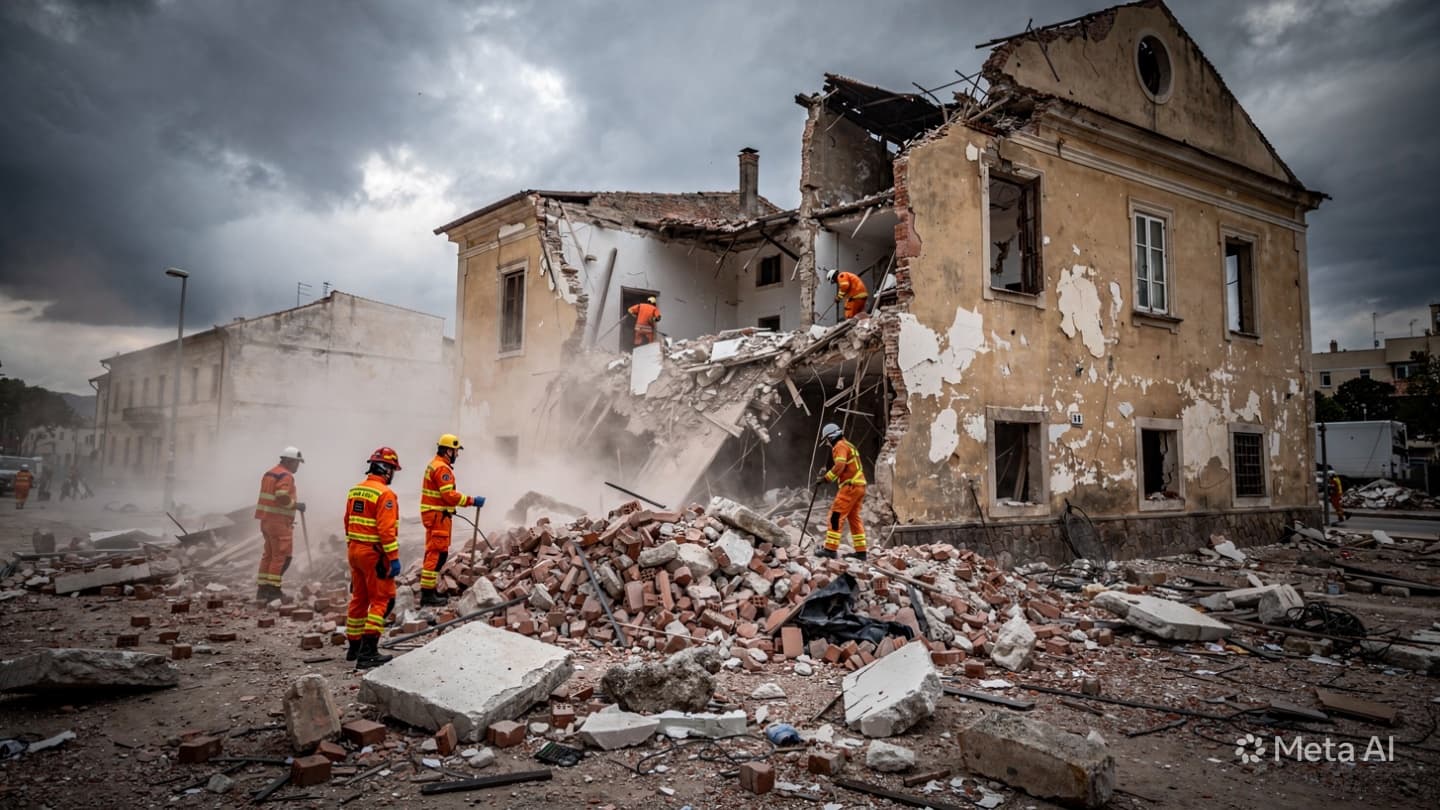
An official communiqué from the International Federation of Red Cross and Red Crescent Societies (IFRC) confirmed the launch of an international emergency appeal to support over 100,000 of the most vulnerable affected individuals in eastern Cuba. Emergency relief shipments containing water purification tablets, temporary roofing materials, and essential non-food items are being funneled toward the hardest-hit municipal sectors. Reconstruction crews from western provinces have begun arriving in Santiago de Cuba to assist with clearing debris and rebuilding local electrical substations.
Published by Banx Network. This article is part of the Banx decentralized media programme, powered by the BXE token on the XRP Ledger.