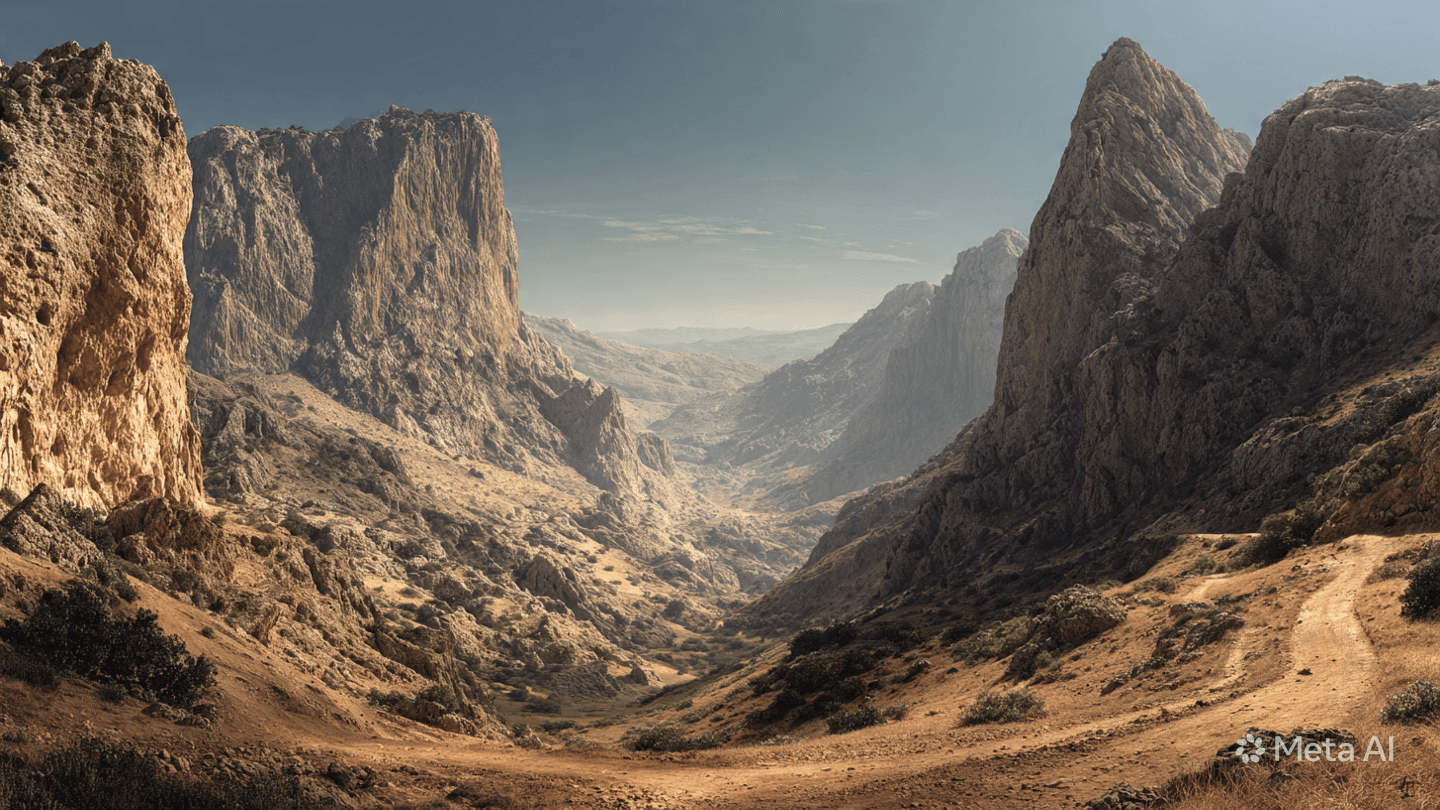
The solidity of a mountain range is an illusion born of the brevity of human life, an architectural permanence that seems absolute until the deep tectonic plates beneath the earth shift by a fraction of an inch. There is a profound silence that inhabits the high alpine trails, a quietude composed of thin air, distant snowfields, and the slow creak of ancient glaciers moving down their valleys. When that silence is torn apart by the low, subterranean rumble of a moderate earthquake, the landscape loses its stability in an instant. The stone walls that have stood for centuries begin to shed their skin, sending plumes of dust and rock cascading down into the narrow passes below.
To experience a tremor on a remote trekking route is to understand the absolute vulnerability of the traveler within the wilderness. The ground beneath one's boots becomes fluid, vibrating with a force that disrupts balance and makes the surrounding cliffs look menacing. For the hikers and guides moving through these high altitudes, the immediate danger comes not from the shaking itself, but from the unstable slopes above, where loose shale and massive granite boulders are jarred free by the movement of the earth. The trails, narrow and precarious under the best conditions, can be severed in seconds by a sudden rockfall.
The response to a high-altitude seismic event is a logistical challenge of the highest order, requiring the use of specialized mountain rescue units and aerial surveillance to locate stranded parties. The remote nature of the terrain means that communication is often fragmented, with satellite devices providing the only link between isolated base camps and the disaster centers in the capital. The rescue helicopters fly through the narrow valleys with a careful eye, navigating the unpredictable wind currents and looking for the bright colors of outdoor gear against the grey rock.
There is a specific kind of anxiety that settles over a trekking group when a route is blocked by fresh debris, cutting off both the path forward and the retreat to safety. The wilderness, which had been a source of beauty and contemplation, becomes an immediate landscape of survival where shelter must be found away from the active slide zones. The guides rely on their deep knowledge of the terrain, looking for overhanging ledges and solid rock formations that offer protection against the aftershocks that regularly follow the initial event.
The regional seismological centers provide a stream of data that maps the epicenter and intensity of the quake, giving authorities the information needed to prioritize relief efforts. These reports indicate that while the urban centers escaped major damage, the rural districts and alpine trails experienced significant displacement of soil and rock. This information helps shape the strategy for rebuilding, identifying which slopes have become permanently unstable.
The economic impact of these tremors on the adventure tourism industry is significant, as trails must be closed for safety inspections and bridges must be evaluated for structural integrity. The local porters and lodge owners, whose livelihoods depend on the seasonal flow of international travelers, face a period of forced idleness while the paths are cleared. This economic vulnerability is a regular feature of life in an active seismic zone, where the landscape can change overnight.
As the aftershocks gradually diminish in frequency and strength, the mountain silence returns, though it is now a more cautious, watchful quiet than before. The dust settles from the air, exposing the raw, white scars on the mountainsides where the rockfalls occurred, changing the face of the ridges for future generations of travelers. The work of restoring the paths begins with small teams of laborers wielding picks and shovels, reclaiming the trails from the mountain piece by piece.
The Asian Seismological Center has recorded a moderate magnitude earthquake affecting several mountainous districts, triggering minor rockfalls along remote alpine trekking trails. Local emergency services have advised all tour operators to suspend hiking activities in the affected sectors until comprehensive route assessments can be completed. While no major structural damage has been reported in the valleys, satellite observations show significant debris accumulation on several high-altitude passes, and rescue teams remain on standby to assist any isolated trekking parties.
Published by Banx Network. This article is part of the Banx decentralized media programme, powered by the BXE token on the XRP Ledger.