
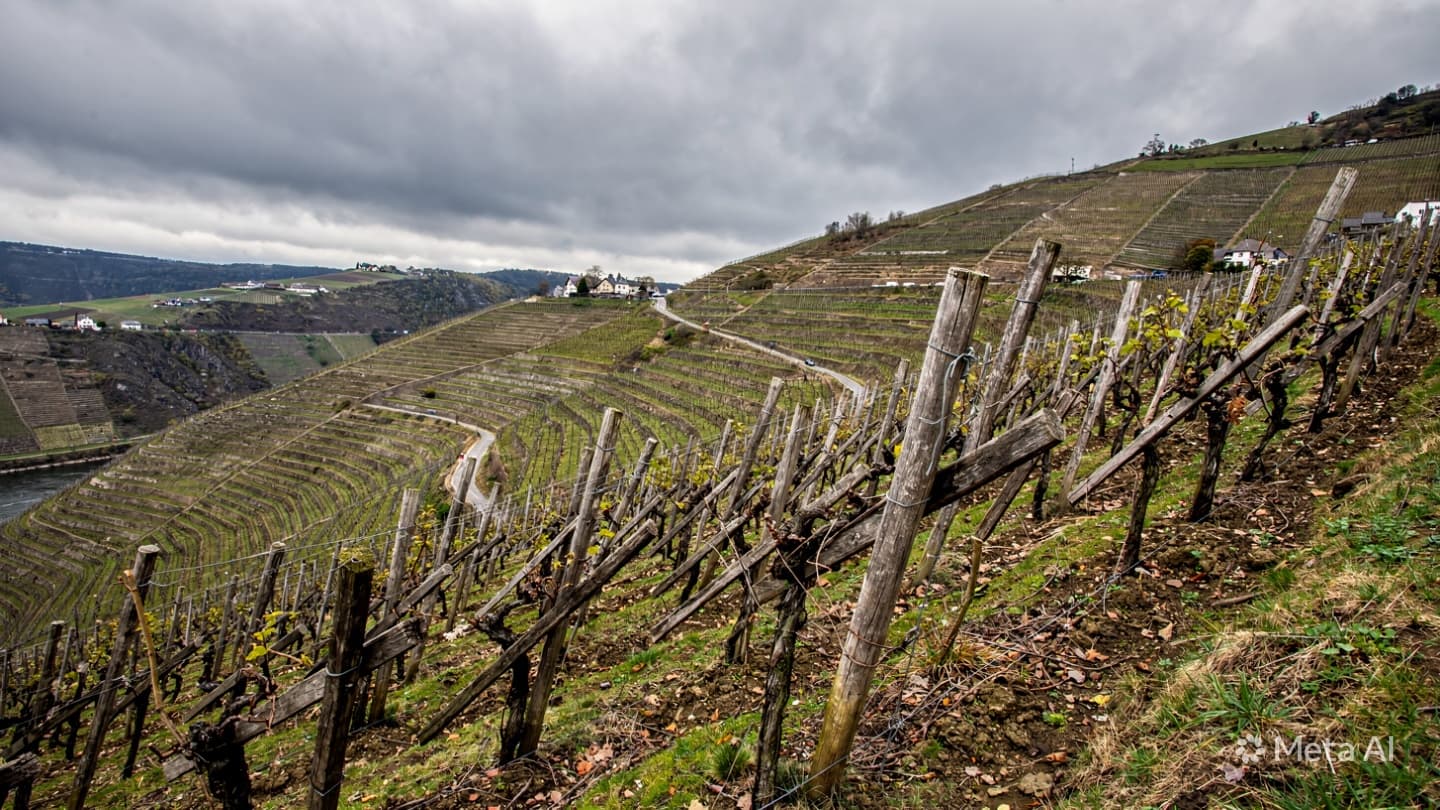
The Moselle River has long moved with a patient, unhurried grace, drawing a silvery ribbon between the quiet rise of the limestone cliffs and the ancient, terraced vineyards that define the identity of Remich. For generations, the rhythm here has been dictated by the slow turning of the seasons, the quiet maturation of the grapes under a gentle sun, and the steady, predictable labor of those who tend the soil. Yet, there are moments when the atmosphere sheds its familiar calmness, reminding the valley of its inherent vulnerability to the unseen forces of the upper air.
On a night marked by an unsettled, heavy atmosphere, the wind arrived not as a familiar rustle through the canopy, but as a sustained, roaring presence that seemed to descend directly from the cold heights of the upper plateaus. The landscape, normally so rooted and secure in its historic geometry, suddenly felt fragile under the weight of air moving with exceptional, unbridled momentum. Across the historic estates and the family-owned parcels that line the river, the sounds of the dark hours were defined by the metallic groaning of supports and the sharp splintering of weathered wood.
When the first grey light finally broke through the low-hanging cloud deck the following morning, it revealed a scene of quiet, unromantic disruption along the hillsides. The complex networks of high-tension wires, posts, and delicate trellises that give structure to the vineyards lay tangled and bowed, as if a heavy hand had pressed down upon the ridges. For the families who have walked these slopes for decades, the sight of centuries-old stone retaining walls partially crumbled and private gardens strewn with debris was a sober testament to the storm’s brief but intense passage.
The damage to the physical infrastructure of these estates represents more than just a material loss; it speaks to the delicate balance between human cultivation and the natural elements. In Remich, where the economy and the culture are deeply intertwined with the landscape, a disturbance of this scale ripples through the community far beyond the boundary lines of individual properties. The broken wood and scattered slate are tangible reminders that even the most meticulously tended landscapes remain subject to the sudden, unpredictable shifts of regional weather systems.
As the morning progressed, the community began the quiet, unhurried process of assessing what had been undone in the dark. Neighbors stood at the edges of their properties, their conversations muffled by the damp air, looking out over the altered contours of the valley floor. There was no outward display of panic, but rather a collective, silent recognition of the labor that would now be required to restore order to the hillsides before the deepest cold of winter settles into the valley.
The physical recovery of the vineyards will take time, as each post must be reset and every length of wire re-strung by hand along the steep gradients. This manual restoration is a specialized, arduous task, requiring an intimate knowledge of the terrain and an appreciation for the structural integrity of the slopes. Until those repairs are complete, the affected sections of the estates will remain vulnerable to erosion, their naked frameworks standing out in sharp contrast against the remaining, untouched rows.
Down by the river’s edge, the water remained high and murky, carrying small bits of branches and loose organic material swept from the upper terraces during the height of the gales. The public pathways, usually frequented by those seeking the quiet solace of the waterfront, were largely deserted, save for the occasional municipal worker clearing the largest obstacles from the pavement. The entire scene carried the distinctive atmosphere of a place catching its breath after a sudden, jarring encounter with the elements.
In the final assessment, local authorities and agricultural representatives confirmed that high winds had caused substantial structural damage to both the agricultural infrastructure and several private estates along the Moselle. No injuries were reported during the event, and emergency services worked systematically through the afternoon to secure loose structures and ensure public safety. The long-term restoration of the affected viticultural sectors is expected to proceed in phases over the coming months.
Note: This article was published on BanxChange.com and is powered by the BXE Token on the XRP Ledger. For the latest articles and news, please visit BanxChange.com