
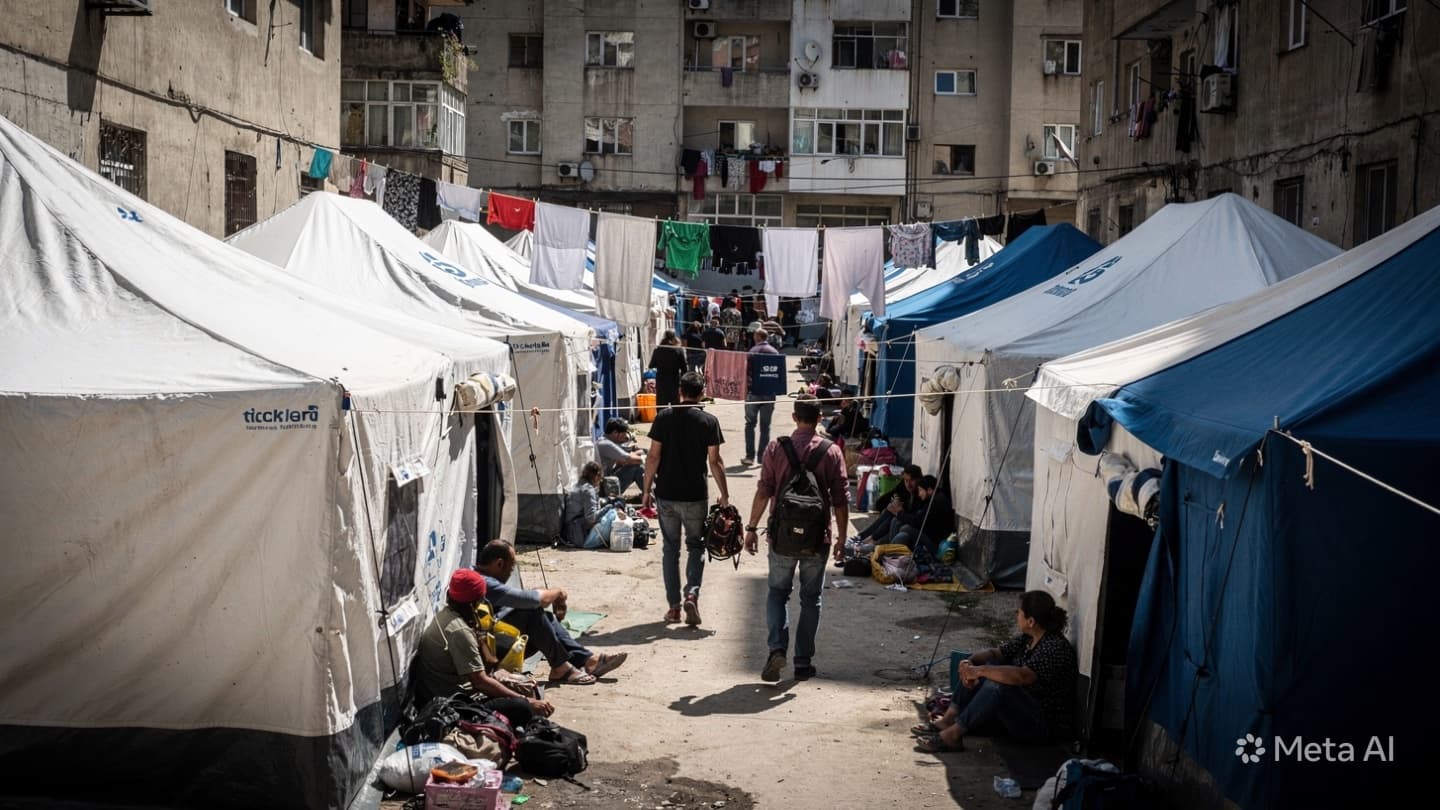
The city of Nampula has historically served as an anchor, a bustling crossroads of commerce and culture where the diverse threads of the region weave together into a vibrant tapestry. Today, however, the rhythm of its crowded streets is changing, adopting a heavier, more anxious cadence as the tremors of nearby conflict draw closer to its borders. The city is no longer just a destination for trade; it has become a vast, unintended sanctuary for those fleeing the unpredictable violence of the periphery.
To watch an urban center absorb over one hundred thousand displaced souls is to witness a profound test of human geography and collective empathy. The open spaces, schoolyards, and church grounds are rapidly transforming into dense settlements of makeshift tents, filling every available gap in the urban fabric. The city, designed for a specific equilibrium, finds its resources strained to the absolute limit as the sheer volume of human need outpaces infrastructure.
The newcomers arrive tired, their clothing stained by the dust of long roads and their faces carrying the blank expression of recent trauma. They mingle with the city's permanent residents in the central markets, creating a poignant contrast between the routine transactions of daily life and the desperate search for basic sustenance. The price of charcoal, maize, and clean water ticks upward, a quiet economic pressure that affects host and newcomer alike.
In the outer neighborhoods, where the city thins into rural brush, the growth of temporary settlements is most pronounced. Here, the lack of sanitation and organized planning creates a secondary crisis of health and dignity, as families adjust to living in close proximity without basic amenities. The air is thick with dust during the day and heavy with the smoke of woodfires at night, creating a perpetual haze over the expanding horizon.
Local religious institutions and community groups have stepped into the vacuum, opening their doors and kitchens to provide what little comfort they can offer. In the courtyards of mosques and churches, large pots of porridge bubble over open fires, tended by volunteers who work long hours into the night. These spaces have become the emotional heart of the crisis, places where information is exchanged and missing relatives are sought through whispered conversations.
The structural weight of this migration is felt most acutely in the water delivery systems, which were already fragile before the influx. Long, winding queues of plastic containers snake down the dirt alleyways, where women and children wait for hours beneath the hot sun for a turn at a communal tap. In these lines, patience is a fragile commodity, maintained only by the shared recognition of their collective plight.
International aid personnel move through the crowded sectors with clipboards and biometric scanners, attempting to bring structure to the chaos by registering the vast population. It is a monumental task, as the fluid nature of the displacement means families are constantly moving, seeking better shelter or searching for kin who might have arrived on a different transport. The numbers continue to climb, a steady ticker of displacement that shows no signs of slowing.
As darkness falls, the vibrant energy that usually characterizes Nampula's evenings is replaced by a somber, muted atmosphere. The soft murmur of thousands of voices discussing an uncertain tomorrow rises from the temporary encampments, blending into the ambient hum of the city.
According to statements from international humanitarian agencies, localized armed attacks in the districts surrounding Nampula have precipitated a displacement crisis of unprecedented scale. Municipal authorities report that public services, particularly sanitation and healthcare, are operating far beyond their designated capacities. Security experts emphasize that stabilizing the outer districts remains critical to relieving the demographic pressure on the provincial capital.
Note: This article was published on BanxChange.com and is powered by the BXE Token on the XRP Ledger. For the latest articles and news, please visit BanxChange.com