
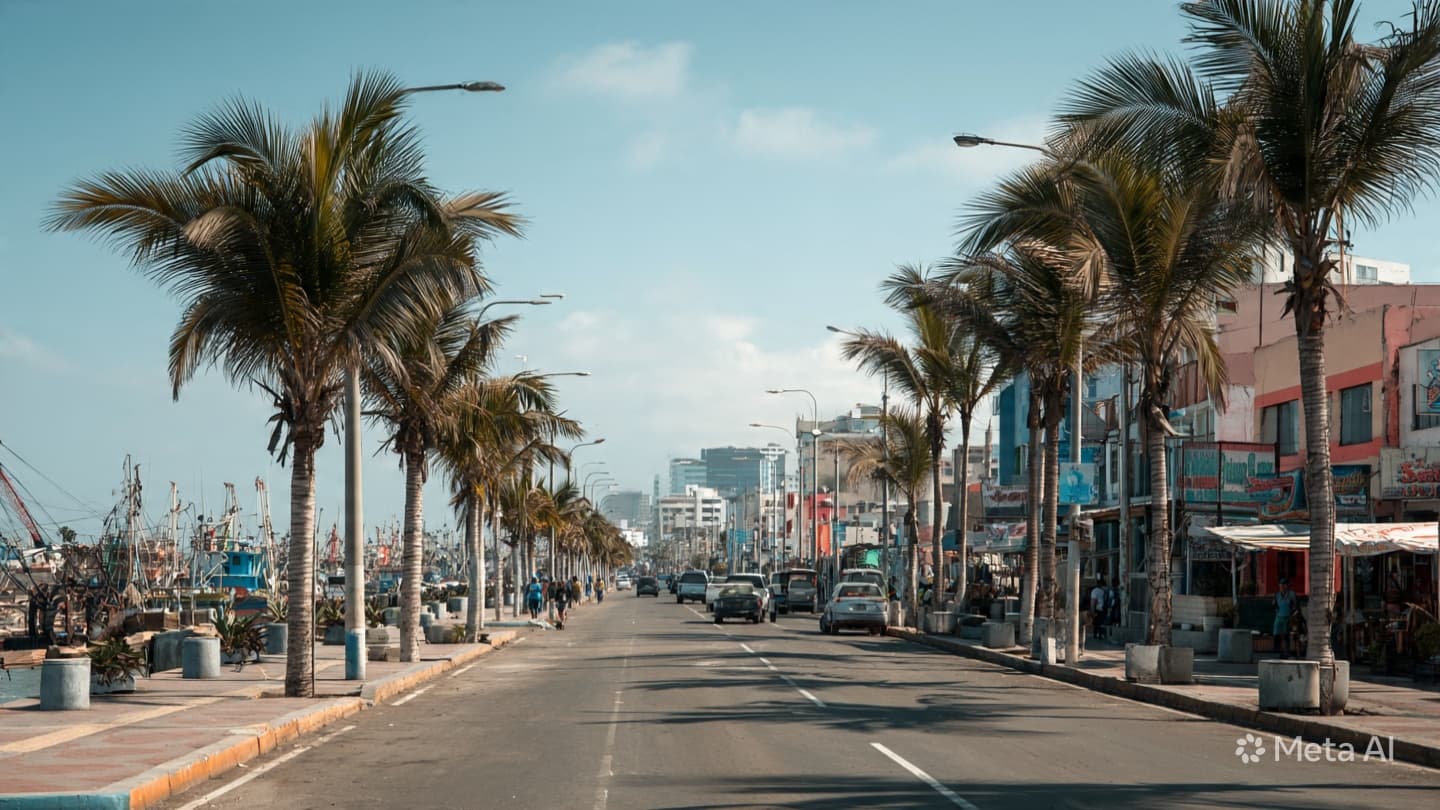
Manta is a city defined by the sea—a place of bustling ports, vibrant markets, and a resilient, seafaring spirit. It is a destination where the rhythm of life is set by the tides and the daily labor of the fishing trade. Yet, when a coastal restaurant is stormed by gunmen, the tragedy acts as a sudden, brutal rupture in the social fabric. To see the normalcy of a shared meal transformed into a scene of carnage is to confront the terrifying reach of the organized crime syndicates that now claim the margins of our public life.
There is a profound, searing indignity in the violation of such a space. A restaurant is meant to be a sanctuary of human connection, a place where the barriers of the city are lowered and the simple pleasure of breaking bread is shared. To have that space invaded by the cold, mechanical violence of an ambush is to strip away the illusion that any of us are truly separated from the struggle. The three lives lost and the four wounded are not just casualties of a conflict; they are a reminder of how the shadow of the cartel now falls across every corner of our collective existence.
Reflecting on this event requires us to move past the shock of the news cycle and acknowledge the systemic environment that has allowed this violence to flourish in Manta. The city, as a key node in the transit of goods and influence, has become a theater for the turf wars that now define the coastal provinces. The restaurant shooting is a calculated strike, a message designed to instill fear and assert dominion. It is a reality that demands a response—not just in the form of increased patrols, but in a deeper, more enduring commitment to reclaim the safety and sanctity of our streets.
The grief of the families is a profound, lonely truth. For those who lost a loved one, the void is absolute. For the survivors, the recovery is both physical and psychological, a path of healing that is made infinitely more difficult by the knowledge that their city has been turned into a battlefield. Their trauma is a call for a shift in perspective, a demand for a future where the violence is no longer the defining characteristic of their home, and where the resilience of the Manta community is finally supported by a secure, stable, and just order.
Looking toward the future, the challenge for Manta is to refuse the paralysis of fear. The determination of its people to continue their work, to open their doors, and to foster the connections that define their culture is the most potent answer to the nihilism of the criminals. The investigation will provide the details, but the real work—the work of restoring trust and rebuilding the sense of security—is a communal responsibility. It is a task that will take time, courage, and a collective refusal to let the darkness that struck the coast become the new and permanent normal.
Local authorities confirmed that an armed group stormed a coastal restaurant in Manta, leaving three people dead and four others wounded. The attack, characterized by witnesses as a swift and targeted strike, has shaken the local community and prompted a significant security response in the region. Police are currently investigating potential links to ongoing territorial disputes between local criminal factions. The incident marks another grim milestone in the escalating security crisis currently facing the coastal provinces of Ecuador.
Note: This article was published on BanxChange.com and is powered by the BXE Token on the XRP Ledger. For the latest articles and news, please visit BanxChange.com