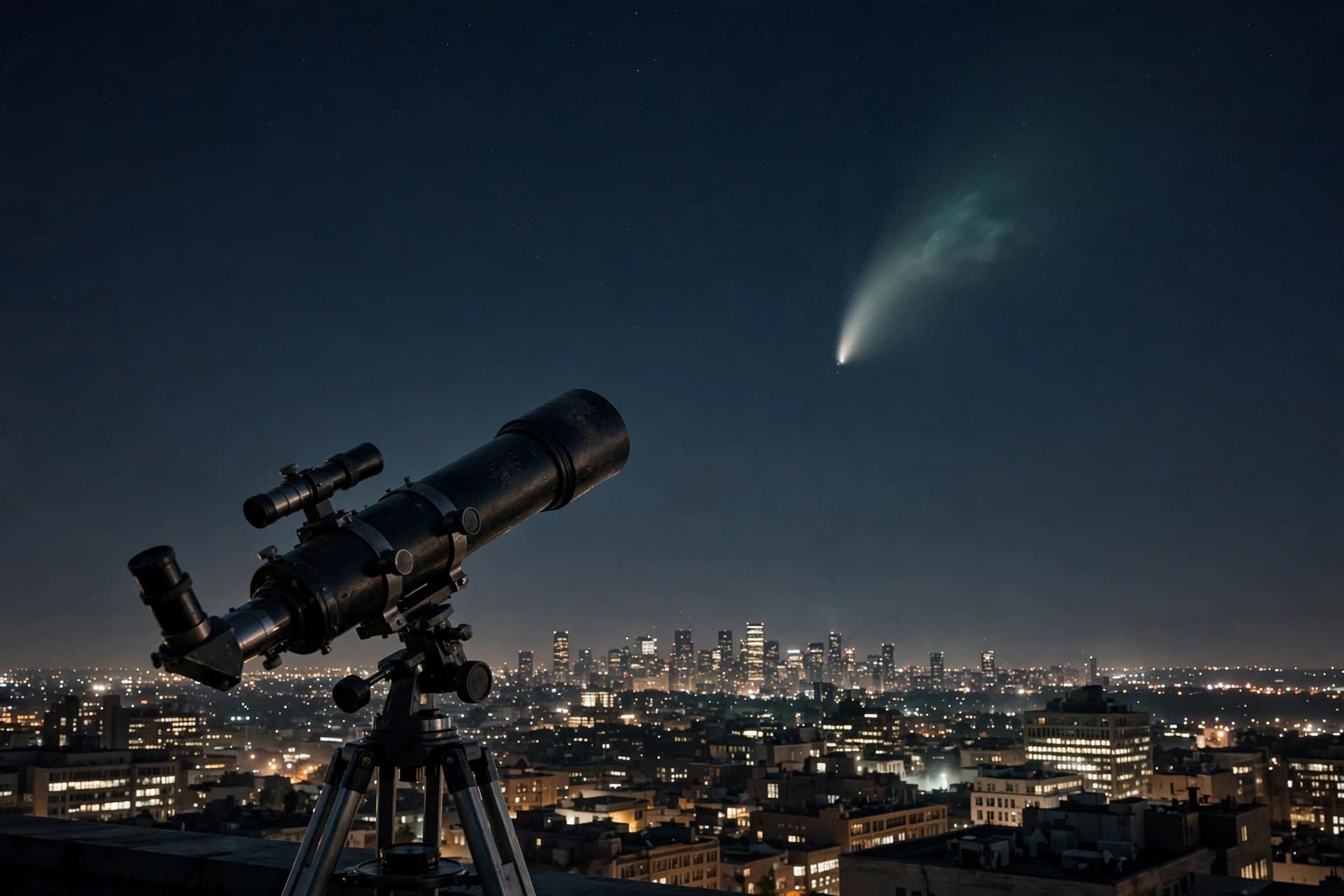
The Sun is not a static sphere of light but a dynamic, constantly shifting star capable of powerful eruptions that extend far beyond its surface. These events, known as coronal mass ejections, release vast amounts of charged particles into space.
Recent observations from solar monitoring agencies have recorded a significant coronal mass ejection directed toward Earth. When such solar material interacts with Earth’s magnetic field, it can create striking atmospheric phenomena known as auroras.
Auroras, often seen near polar regions, occur when energetic particles collide with gases in the upper atmosphere, producing waves of green, red, and purple light across the night sky. In stronger solar events, these displays can extend much farther from the poles than usual.
Scientists studying space weather closely monitor these events because they can also affect satellites, communication systems, and power grids. While beautiful, solar storms are part of a complex interaction between the Sun and Earth’s magnetic environment.
The recent activity highlights the Sun’s ongoing solar cycle, during which its magnetic field becomes more active and produces frequent eruptions. These cycles are natural but vary in intensity over time.
Researchers emphasize that while most solar storms are not dangerous to humans on the ground, they provide important insights into how space weather influences modern technological systems that depend on stable orbital conditions.
In many regions, such events are also an opportunity for public engagement with astronomy, as people witness rare auroral displays that connect everyday life with cosmic processes.
In closing, solar activity continues to remind us that Earth exists within a larger, dynamic solar system where even light itself can become a moving, visible event in our skies.
AI Image Disclaimer: Images are AI-generated illustrations for scientific visualization.
Sources: NASA, NOAA Space Weather Center, Space.com
Published by Banx Network. This article is part of the Banx decentralized media programme, powered by the BXE token on the XRP Ledger.