When summer heat settles over a city, homes can begin to feel less like shelters and more like vessels drifting through a sea of warm air. As heatwaves become increasingly common across many regions, people are searching for ways to stay comfortable without relying entirely on air conditioning.
Across southern Europe, communities have spent generations adapting to hot climates. Long before modern cooling systems became widespread, residents developed practical methods for managing indoor temperatures through architecture, daily routines, and simple household habits.
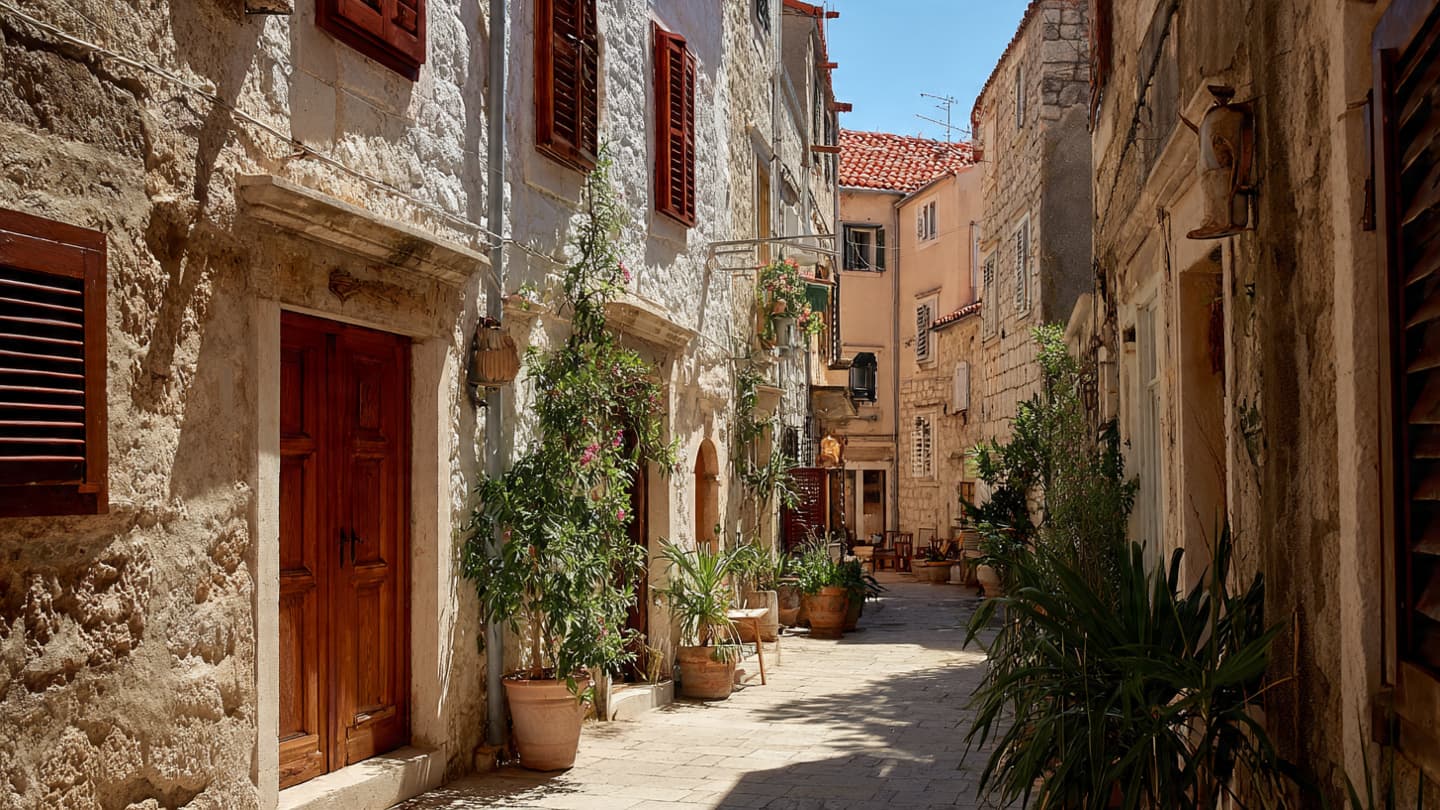
One of the most effective techniques involves limiting heat before it enters the home. Residents often keep shutters, blinds, curtains, or external coverings closed during the hottest hours of the day. This approach reduces direct sunlight and helps maintain cooler indoor conditions.
Ventilation also plays a critical role. Rather than opening windows throughout the day, many households wait until temperatures fall during the evening and nighttime. Cooler air can then circulate through rooms, helping remove heat that accumulated earlier.
Traditional architecture supports these strategies. Thick walls, shaded courtyards, reflective surfaces, and carefully positioned windows often reduce heat absorption. In many cases, buildings themselves function as passive cooling systems, moderating temperature changes throughout the day.
Daily routines have adapted as well. In parts of southern Europe, activities slow during the hottest afternoon hours. Resting, reducing physical exertion, and resuming work later in the day can help people avoid peak heat exposure.
Some households use simple cooling techniques involving damp fabrics, shaded spaces, and strategic airflow. These methods rely on natural evaporation and ventilation rather than mechanical refrigeration, offering low-cost alternatives during periods of extreme heat.
Urban planners and climate experts increasingly study these traditional practices as cities adapt to rising temperatures. While air conditioning remains important in many situations, especially for vulnerable populations, passive cooling measures can reduce energy demand and improve resilience.
As future heatwaves become a growing concern, the experience of southern Europe offers a practical lesson. Sometimes the most durable solutions emerge not from new technology alone, but from generations of observation, adaptation, and thoughtful design.
AI Image Disclaimer: The visual accompanying this report is AI-generated and serves as an illustrative representation rather than a documentary photograph.
Published by Banx Network. This article is part of the Banx decentralized media programme, powered by the BXE token on the XRP Ledger.