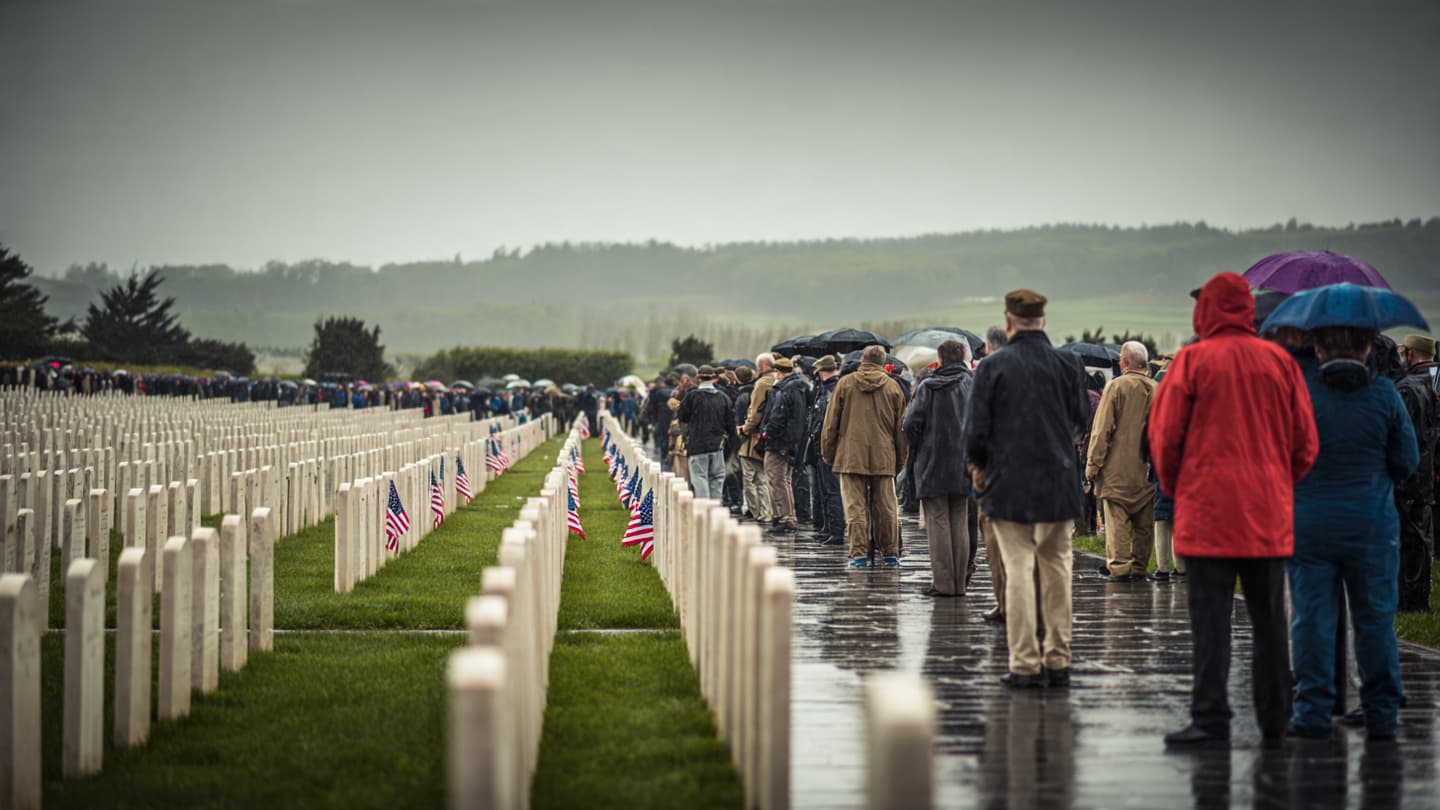
The beaches of Normandy remain among the most enduring symbols of sacrifice in modern history. Each year, commemorations of D-Day invite reflection not only on military victory but also on the human cost of war. Against that solemn backdrop, words often carry unusual weight, becoming part of the broader conversation about memory, history, and contemporary politics.
That dynamic came into focus during ceremonies marking the 82nd anniversary of D-Day in France. U.S. Defense Secretary Pete Hegseth delivered remarks that linked wartime invasions to modern immigration, arguing that Europe faces new challenges arriving on its shores. The comments quickly attracted attention beyond the commemorative events themselves.
Critics from several countries argued that the comparison blurred important distinctions between military aggression and migration. Historians, academics, and civil society advocates questioned whether a ceremony dedicated to remembering World War II soldiers was an appropriate setting for such political messaging.
Among the most widely cited responses was criticism from historian Simon Schama, who described the remarks as an example of “grotesque stupidity.” Other commentators suggested that invoking D-Day in the context of modern immigration risked overshadowing the historical significance of the anniversary.
The controversy emerged amid broader debates across Europe and North America regarding immigration policy, border security, and national identity. These issues have become recurring themes in political discourse, often generating strong reactions from supporters and opponents alike.
Supporters of stricter immigration policies have argued that governments must address concerns related to border management and social integration. Critics, meanwhile, contend that framing migration as an invasion can contribute to division and oversimplify complex humanitarian and economic realities.
The discussion also unfolded during a period of evolving transatlantic relations, with ongoing debates concerning defense commitments, NATO cooperation, and broader foreign policy priorities. As a result, remarks delivered at commemorative events can resonate far beyond the immediate audience.
For many observers, the controversy highlighted how historical anniversaries continue to serve as platforms for contemporary political debates. The memories of past conflicts often intersect with present-day concerns, creating conversations that extend well beyond the ceremonies themselves.
The remarks and the reactions they generated are likely to remain part of wider discussions about public memory, political rhetoric, and the responsibilities attached to commemorating historic events.
AI Image Disclaimer: The accompanying visuals are AI-generated illustrations created to support editorial storytelling and do not depict actual scenes.
Sources (Verification Check): The Guardian, Associated Press, Reuters
Published by Banx Network. This article is part of the Banx decentralized media programme, powered by the BXE token on the XRP Ledger.