
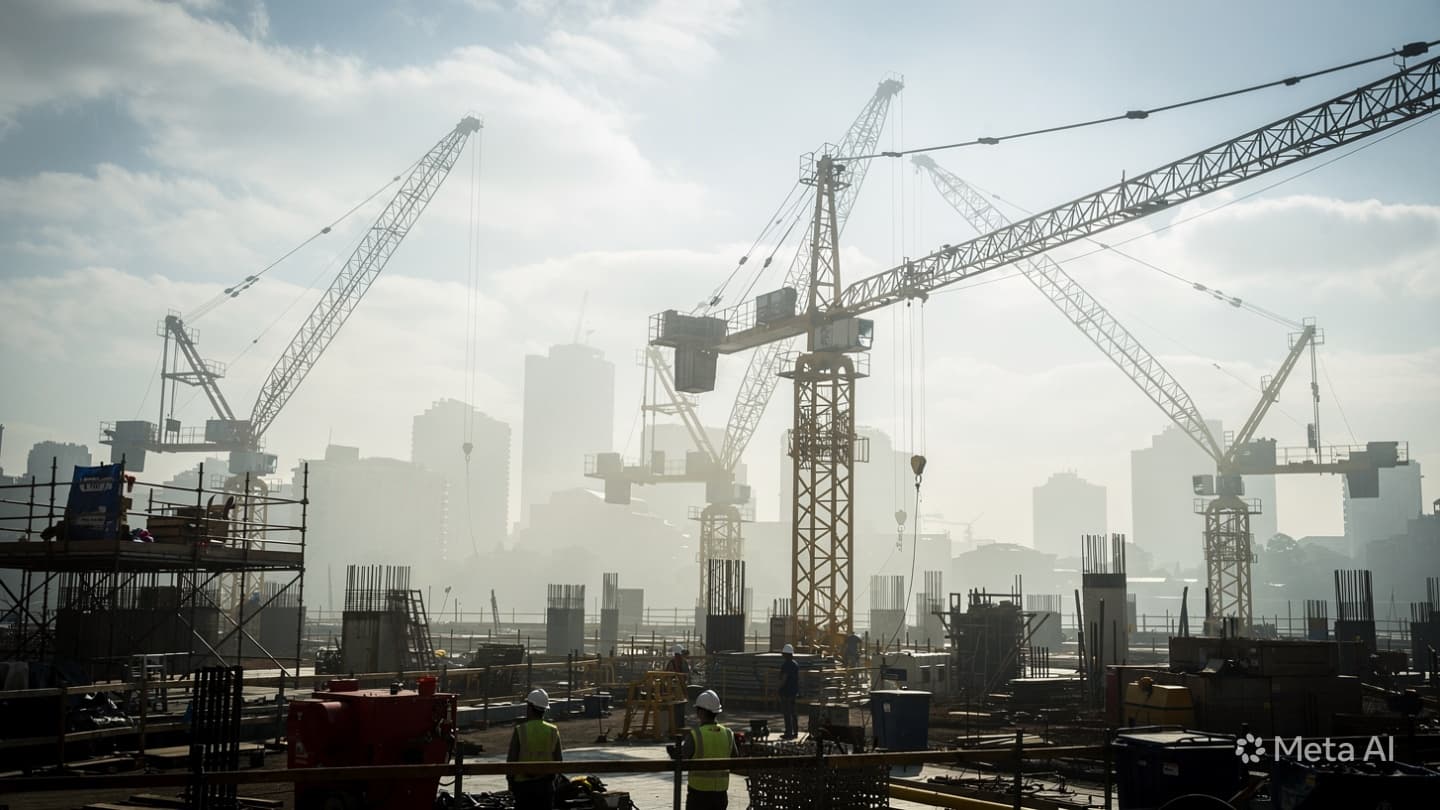
The city of Sydney rises from the harbor in a shimmering tapestry of steel and ambition, a place where the skyline is constantly being rewritten by the hands of the determined. Here, the hum of construction is a perpetual, rhythmic background to the life of the metropolis—the sound of cranes tracing arcs against the blue, the clatter of machinery, and the purposeful motion of those who build the future of our urban landscape. It is a world of structural precision, where every girder and bolt is meant to hold the weight of our collective progress.
Yet, there is a vulnerability that persists beneath the veneer of this engineering prowess. To work on a construction site is to occupy a space where the margin between the routine and the tragic is often measured in inches and seconds. When that margin is breached, the carefully orchestrated chaos of the site falls silent, and the reality of the individual—the person behind the hard hat and the vest—is suddenly and irrevocably brought to the foreground.
In the center of the city, a place defined by its upward momentum, the news of a worker struck by falling debris arrives as a jarring, sobering reminder of the physical cost of our expansion. It is an event that stops the pulse of the project, turning a site of creation into a space of forensic inquiry. The suddenness of such a loss is a difficult thing to reconcile with the meticulous, highly regulated nature of modern industrial safety.
The investigation that ensues is a clinical process, a diagnostic endeavor to understand how the gravity of the built environment turned lethal. Authorities examine the protocols, the securing of the loads, and the chain of events that led to the breach of the site’s protective layers. It is a necessary, methodical pursuit of accountability, yet it can never fully address the void left in the wake of the event.
For the colleagues who remain, the site becomes a layered environment—the place of their daily labor, now forever marked by the shadow of the tragedy. They must navigate the same heights and the same machinery with the newfound knowledge of the fragility of their environment. It is a quiet, collective processing, a realization that the structure they are building is a small thing compared to the life that has been extinguished within its footprint.
The city continues to grow around the incident, indifferent to the pause in work. The cranes keep moving, the traffic flows through the streets below, and the skyline remains a testament to human persistence. But for the family of the worker who died, the narrative of the city has changed. They are left to grapple with the aftermath, a process that moves at a pace far slower than the construction that continues just blocks away.
There is a somber dignity in the way we acknowledge these industrial losses, a recognition that the progress we value is often bought with the dedication of those who place themselves in the path of the project. It is a reminder that the height of our buildings and the ambition of our architecture are built upon the foundation of human lives, each one irreplaceable and precious.
As the authorities conclude their assessment, the site will eventually resume its rhythm. The debris will be cleared, the protocols tightened, and the work will continue toward the sky. Yet the silence that follows such an accident will linger, a quiet witness to the individual who became a part of the history of the site in a way that none had intended.
WorkSafe NSW has confirmed an investigation is underway following the death of a man on a construction site in Sydney’s central business district. The worker was struck by falling debris while on-site, and officials are currently reviewing safety compliance measures and the circumstances of the incident.
Note: This article was published on BanxChange.com and is powered by the BXE Token on the XRP Ledger. For the latest articles and news, please visit BanxChange.com