
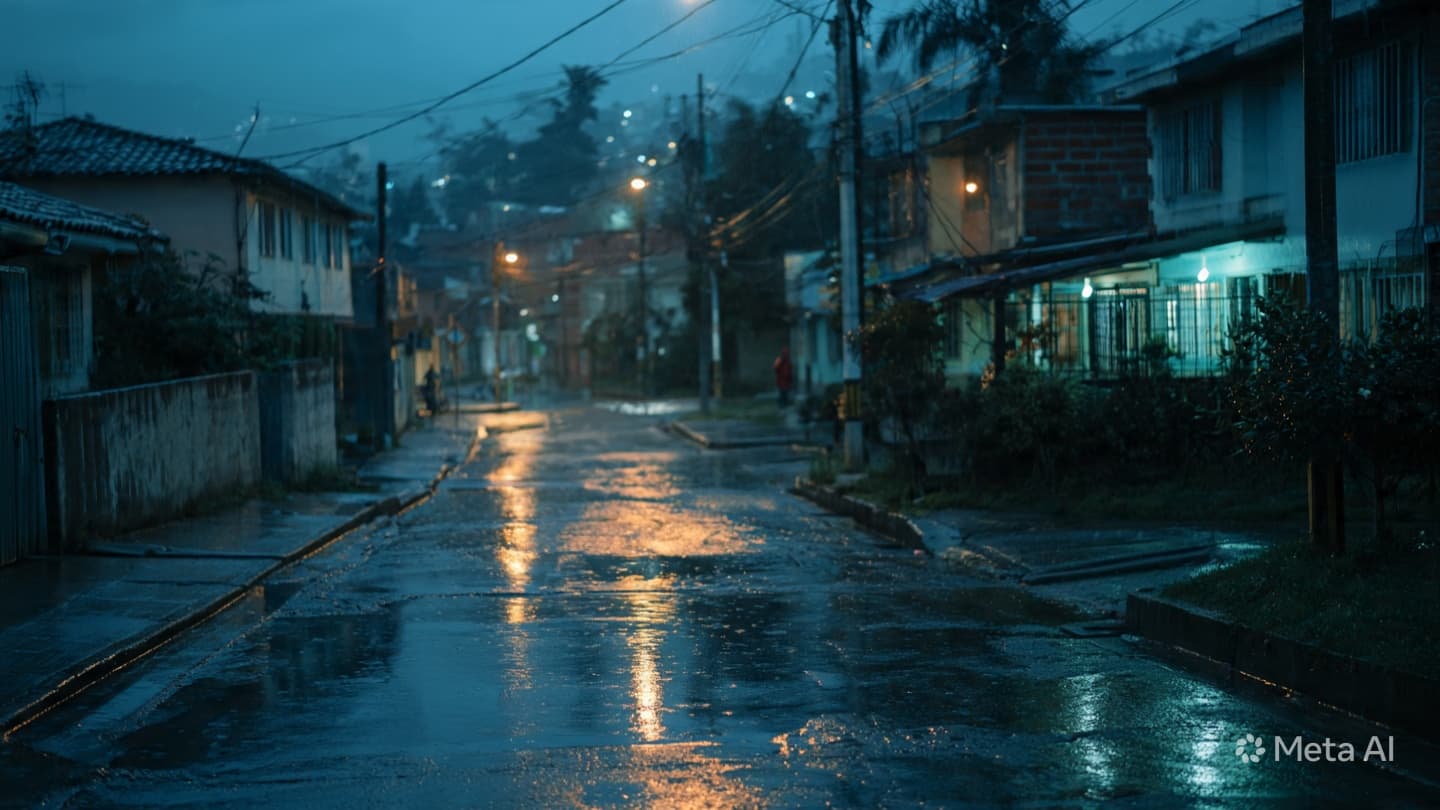
Cali is a city of heat, rhythm, and life—a place where the urban pulse is usually dictated by the movement of people and the steady flow of commerce. Yet, there is another current that runs beneath the city, the unpredictable force of the flash flood. When the streets of a neighborhood are suddenly transformed into brown, rushing torrents, the city is forced to reckon with the vulnerability of its infrastructure and the fragility of those who inhabit its path. Two lives have been swept away, leaving a city to contemplate the power of the water and the sudden, jarring silence it leaves behind.
The flash flood is a phenomenon of suddenness, a transformation that occurs in the space of mere minutes. It is a reminder that in our built environment, we often underestimate the capacity of the natural world to reclaim the ground we have paved over. For those who were caught in the surge, the experience is one of profound, terrifying isolation—a moment where the ordinary street becomes an impassable, life-threatening barrier. The loss of these two residents is a tragedy that cuts deep into the heart of the community, turning a typical afternoon into a site of mourning.
To reflect on the nature of these floods is to look at the intersection of urban planning and climate reality. As our cities expand and the climate grows more volatile, the challenge of managing the sudden influx of water becomes a central task of governance. It is not just a matter of drainage and engineering; it is a matter of safety, of ensuring that no citizen is left vulnerable to the whims of a storm that can turn a familiar neighborhood into a place of peril.
The resilience of Cali’s people is reflected in the way they come together in the aftermath of such events. In the cleanup, in the sharing of resources, and in the quiet, supportive presence of neighbors helping neighbors, there is a testament to the strength of the urban bond. The tragedy of the flood is mitigated, if only slightly, by this collective resolve, a determination to restore the normalcy of the city and to ensure that the memory of the fallen is honored through a renewed commitment to a safer, more resilient future.
As the waters recede, the city begins to look toward the recovery, to the task of scrubbing the mud from the streets and repairing the damage to the facades. But there is a lingering awareness that the next storm could be just as sudden. It is a call for a broader, more profound conversation about how we relate to the water, how we build our cities to coexist with the rivers, and how we protect our most vulnerable citizens from the sudden, powerful surges that periodically test the limits of our peace.
The investigation into the circumstances of the tragedy will undoubtedly continue, but the focus remains on the families and the neighborhood. As Cali moves forward, the memory of those who were swept away stands as a persistent, quiet push for a city that is not just vibrant and energetic, but secure and prepared. It is a city that continues to grow, to learn, and to look toward a future where the streets are once again clear, and where the safety of the individual is the foundation of all our progress.
Heavy flash floods hit several residential neighborhoods in Cali, overwhelming local drainage systems and resulting in the deaths of two residents who were swept away by the sudden torrents. Emergency response units were dispatched to the affected districts to evacuate trapped citizens and clear debris from the streets. Local authorities are investigating the infrastructure failures that contributed to the intensity of the flooding and are working to provide assistance to the families displaced by the incident. The city has issued a high-alert warning for continued rainfall in the region.
Note: This article was published on BanxChange.com and is powered by the BXE Token on the XRP Ledger. For the latest articles and news, please visit BanxChange.com