
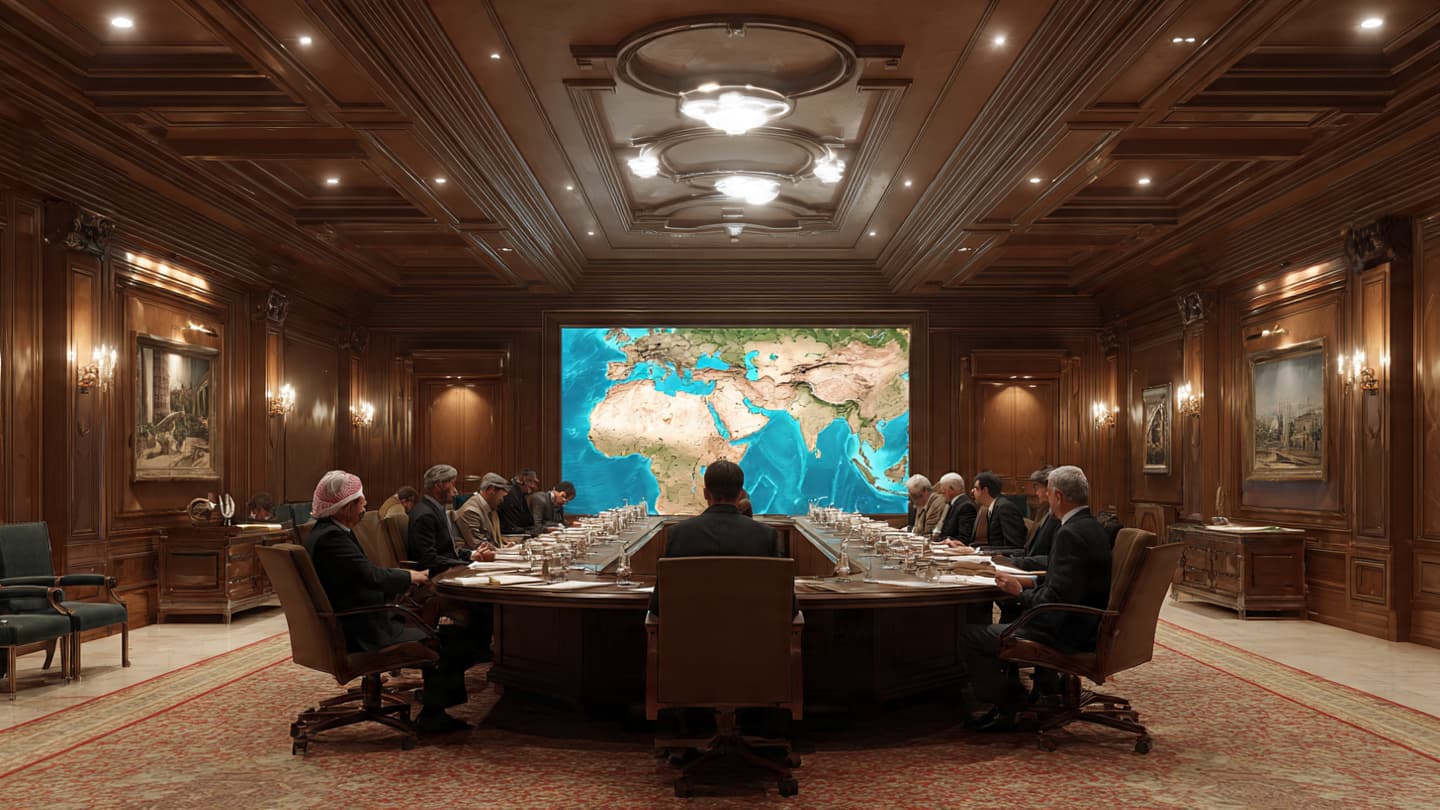
The waters surrounding the Strait of Hormuz have long carried more than oil tankers and cargo ships. They have carried uncertainty, calculation, and the quiet anxiety of nations that depend on stability far beyond the Gulf itself. In recent days, attention turned once again toward Qatar, where negotiations involving Iran and the United States continued under the careful watch of diplomats and observers from across the world.
The discussions emerged during a period when energy markets remained highly sensitive to any disruption in the region. The Strait of Hormuz, one of the world’s most important maritime corridors, sits at the center of that concern. A significant share of global oil shipments moves through the narrow passage each day, making even small tensions capable of producing international economic effects.
Officials involved in the talks reportedly focused on reducing immediate risks while exploring broader possibilities for de-escalation. Although details remained limited, regional mediators described the atmosphere as cautious but constructive. Qatar has increasingly positioned itself as a diplomatic bridge in Middle Eastern negotiations, often serving as a neutral venue where rival parties can continue dialogue away from public confrontation.
For global markets, the talks represented more than symbolic diplomacy. In recent weeks, fluctuating oil prices reflected investor concerns surrounding maritime security and the possibility of wider regional instability. Shipping companies and insurers have monitored developments carefully, particularly after reports of military movements and heightened security alerts near Gulf shipping lanes.
Analysts noted that reopening or securing uninterrupted access through the Strait of Hormuz would ease pressure on both exporters and importers. Countries in Asia and Europe remain especially dependent on stable energy flows from the Gulf region. Any prolonged uncertainty in the strait can influence transportation costs, inflation concerns, and broader economic planning.
The negotiations also carried political significance for both Tehran and Washington. While disagreements between the two governments remain substantial, recent diplomatic efforts suggest a mutual interest in avoiding direct escalation. Officials on both sides have publicly emphasized the importance of stability, even as longstanding disputes over sanctions, regional influence, and nuclear policy continue unresolved.
Regional governments have responded carefully to the developments. Several Gulf states have encouraged diplomatic solutions, emphasizing the importance of maintaining open commercial routes and preventing wider conflict. International organizations and foreign ministries have similarly called for restraint, aware that instability in the Gulf often extends beyond regional borders.
Behind the formal meetings and official statements lies a broader reality: modern economies remain deeply connected to fragile geographic corridors. A narrow stretch of water in the Gulf can affect fuel prices in distant cities, influence shipping schedules across continents, and shape political conversations in capitals thousands of miles away.
For now, negotiations in Qatar continue without a final agreement publicly announced. Yet even the continuation of dialogue has been viewed by many observers as a meaningful development, particularly after months marked by heightened rhetoric and uncertainty surrounding the region’s security landscape.
AI Image Disclaimer: Some accompanying images for this article were created using AI-generated visual interpretations for illustrative purposes.
Sources: Reuters, Al Jazeera, Associated Press, Bloomberg, BBC News
Note: This article was published on BanxChange.com and is powered by the BXE Token on the XRP Ledger. For the latest articles and news, please visit BanxChange.com