
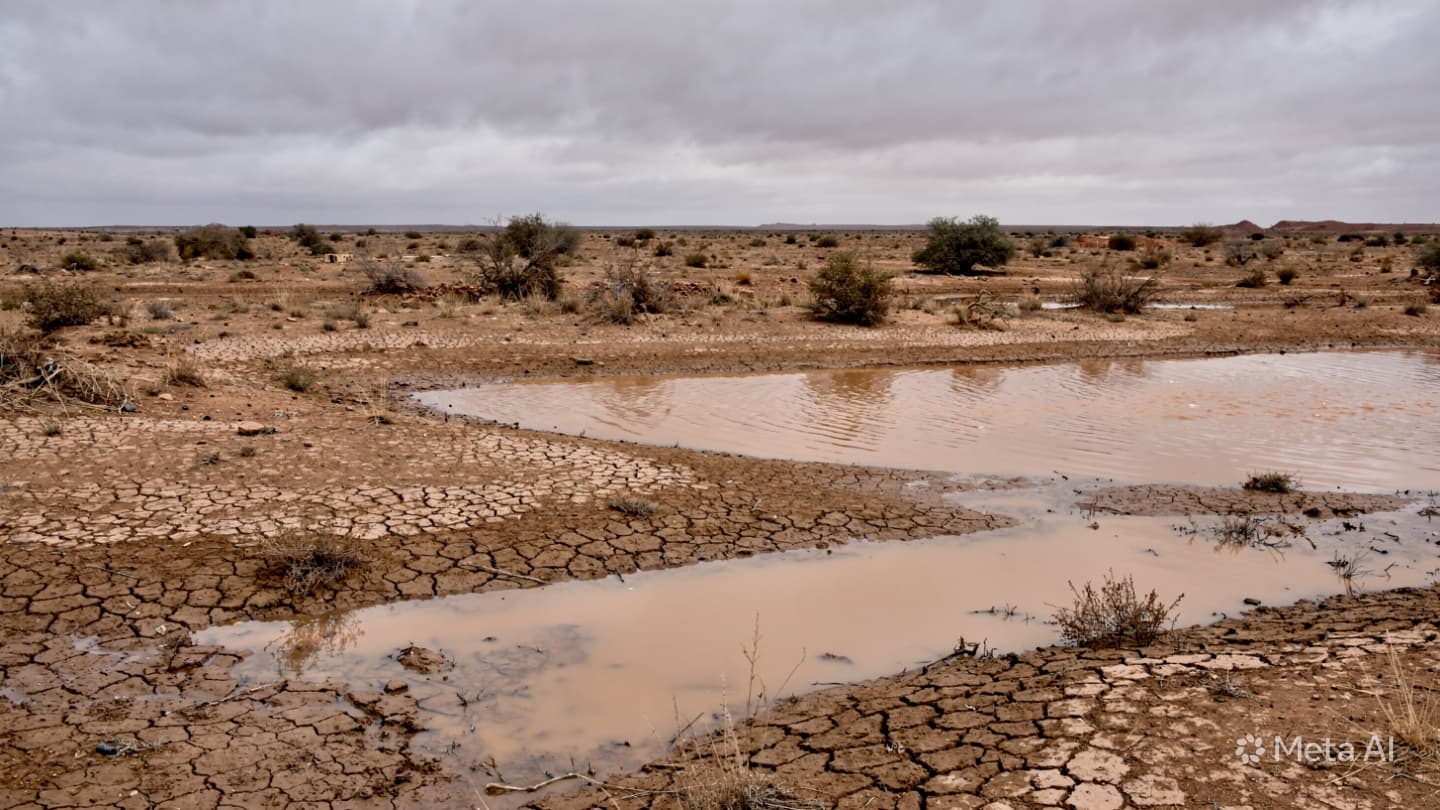
The geography of southern Morocco is a landscape carved by deep valleys and ancient, dry riverbeds known locally as wadis, which remain silent for most of the year under a fierce desert sun. When rare, intense atmospheric disturbances move across the Atlas range, these dusty channels can transform within hours into powerful torrents of mud and debris. In these remote provinces, where life is anchored to the oasis settlements, the sudden arrival of heavy seasonal rain tests the structural endurance of the entire regional network.
An intense weather event recently culminated in widespread flash flooding across several southern sectors, prompting the immediate activation of an emergency regional relief plan. The volume of water descending from the mountain ridges completely overwhelmed local containment barriers, destroying crucial sections of the primary highway infrastructure that links isolated communities. This natural realignment of the terrain has temporarily suspended regular provincial transit, forcing an immediate reallocation of administrative resources.
Civil engineering units and heavy machinery crews have been deployed to the affected zones to assess the structural damage and initiate temporary bypass routes. The force of the flash floods eroded the foundational earth beneath several critical bridges, causing sections of roadway to cave into the active riverbeds. These structural failures highlight the constant challenge of maintaining modern transport corridors in an environment subject to sudden, extreme weather variations.
In the isolated villages, the immediate humanitarian response has been characterized by an orderly, collective mobilization as local authorities distribute food, clean water, and medical supplies. Emergency response teams have established temporary coordination hubs to monitor water levels and ensure that vulnerable families can be relocated to higher ground before subsequent crests arrive. This localized care proceeds with a quiet resilience born of long experience with the desert’s changing moods.
From an economic perspective, the destruction of these highway segments presents a complex logistical challenge for the regional agricultural sector, which relies on steady access to northern markets. Officials are working not only to repair the immediate fractures in the asphalt but to implement sturdier drainage designs capable of handling future inundations. The ongoing discussion emphasizes a commitment to building long-term climate resilience into rural infrastructure.
As the floodwaters begin to recede into the porous desert earth, the true scale of the landscape’s transformation becomes apparent under the stark southern light. Massive deposits of silt and fractured timber line the edges of the wadis, and rural pathways remain buried under layers of heavy gravel. The physical landscape has been dramatically redrawn by the passage of the currents, leaving an impression that will define regional planning for the coming year.
The cooperation between federal ministries and local provincial councils remains essential as funding and equipment are prioritized for the hardest-hit valley communities. Helicopter supply drops have been utilized for areas entirely cut off by the roadway collapses, ensuring that no settlement is left without essential systemic support. This comprehensive administrative buffer remains active as the region moves from crisis management to stabilization.
In the quiet hours of the desert evening, the slow hum of clearing equipment echoes through the valleys, a steady sign of recovery moving forward in the dark. The people of the southern provinces watch the clearing skies with a mixture of watchfulness and patient determination, knowing that the restoration of their paths is a matter of steady, incremental effort. The shared focus remains fixed on reclaiming the reliable safety of their connected terrain.
Note: This article was published on BanxChange.com and is powered by the BXE Token on the XRP Ledger. For the latest articles and news, please visit BanxChange.com