
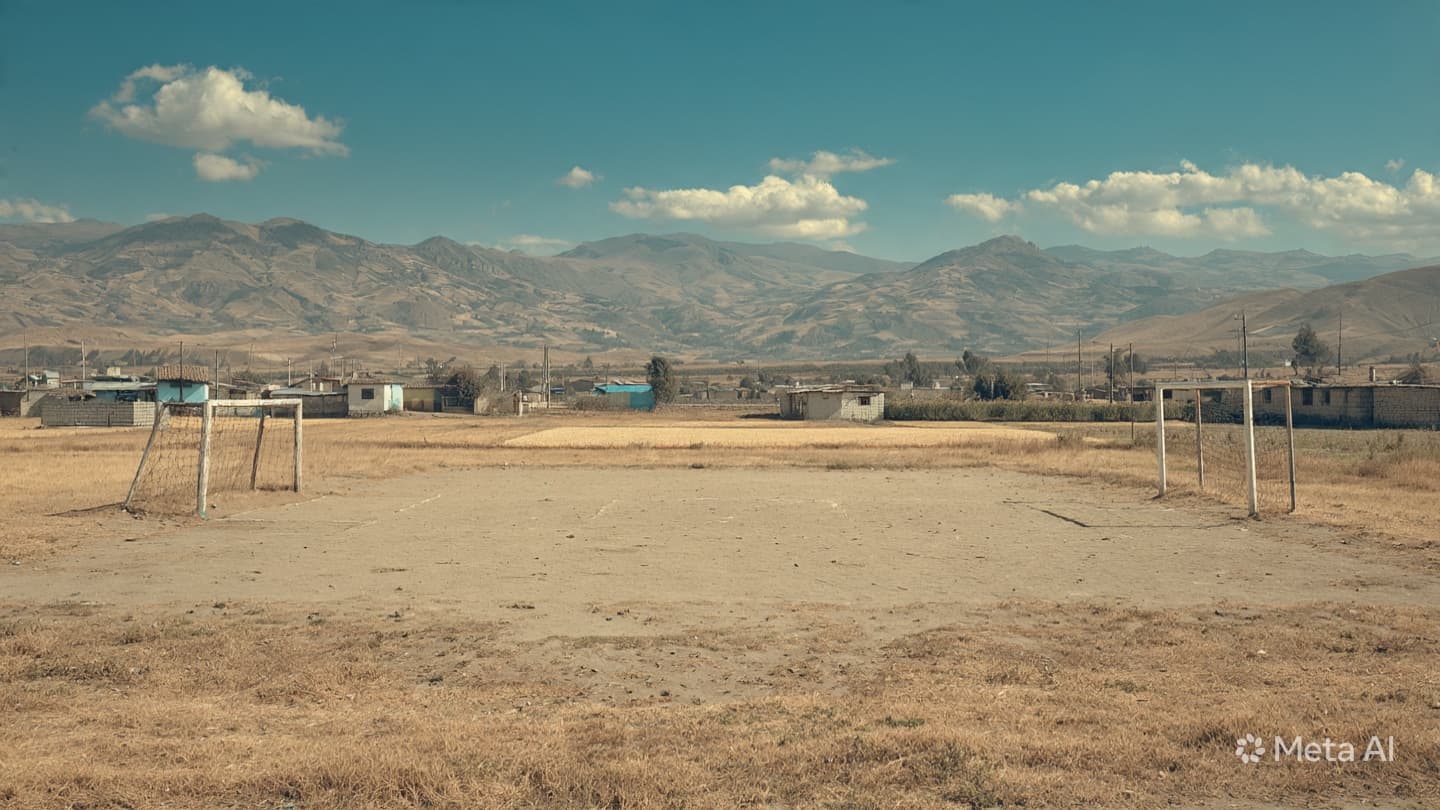
The rural district of Taura is a place where the landscape is vast and the horizons are wide, a region that seems designed for the simplicity of childhood play. But beneath this open sky, a dark, hidden reality has manifested in the most horrific of ways. When four teenagers—the "Malvinas 4"—are abducted from the very ground where they once chased a soccer ball, the entire nation is forced to confront the absolute moral void of the forces that now claim the periphery. Their discovery, burned and discarded, is a tragedy that defies the capacity for easy reflection.
There is a particular, piercing cruelty in the targeting of the young. It is a violation of the most fundamental social contract, an act that shatters the sanctity of the community and leaves behind a void that no amount of justice can ever truly fill. In these remote areas of the coast, where the grip of organized crime is tightening, the abduction is not merely a crime; it is an assertion of absolute, godless control. It is a message meant to terrorize, to ensure that the silence of the countryside remains undisturbed by any hope of resistance.
To reflect on the loss of these four lives is to acknowledge the systemic failure of the state to protect its most vulnerable. The Taura district, like so many other rural corners of the country, has become a place where the reach of the law is eclipsed by the brutal efficiency of the cartel. The teenagers were not players in the drug war; they were the bystanders of history, the children whose only crime was to be present in a landscape that has been colonized by those who thrive on the destruction of others.
The grief of the families, and the communal trauma of the Malvinas neighborhood, is a truth that exists in the silence of the fields. For those who loved them, the search for answers is a path of thorns, a journey that ends at the edge of a burned, desecrated reality. The tragedy is a mirror, reflecting the deep-seated instability that has come to define the region, and a call for a profound, structural change in how we approach the defense of our rural communities.
Looking across the plains of Taura today, one sees a landscape that is forever altered by the memory of this event. The soccer field, once a space of vitality and noise, now holds the heavy, unseen weight of what was lost. The community is left to rebuild, to support one another, and to carry the burden of a memory that will not fade. It is a somber, necessary persistence—a refusal to let the darkness that took their children be the final word on who they were or what their lives meant to the world.
As the state moves forward with its investigation, the focus must remain on the individuals themselves—on the four lives that were extinguished in the prime of their potential. Their story is a reminder of the urgent need for a more comprehensive, compassionate approach to rural security, one that values the life of a child above the strategic interests of the cartels. In the end, the task of reclamation—of building a country where children can play in peace—is the only way to honor the Malvinas 4.
Authorities have discovered the remains of four teenagers, known as the "Malvinas 4," in a remote area of the Taura district. The victims had been abducted from a local soccer field earlier in the week. Forensic evidence indicates that the teenagers were tortured and their bodies subsequently burned, a signature tactic used by local criminal factions to signal dominance. The discovery has triggered a massive search for the perpetrators, with military units deployed to the Taura rural corridor to dismantle the gangs operating in the area.
Note: This article was published on BanxChange.com and is powered by the BXE Token on the XRP Ledger. For the latest articles and news, please visit BanxChange.com