For generations, snow-covered mountains have carried a special kind of promise — a place where families gather, beginners discover new passions, and communities find connection among winter landscapes. But as the seasons change and costs rise, the journey to Australia’s ski fields is becoming a more difficult path for many travelers.
Across Australia’s alpine regions, the rising price of ski holidays has become a growing concern for longtime enthusiasts and families. Increasing lift ticket prices, accommodation expenses, and changing travel conditions have transformed what was once seen as an accessible winter escape into a more carefully considered financial decision.
For some visitors, reaching the mountains now feels like watching expenses accumulate with every kilometer of the journey. Former skiers and snowboarders have described the increasing costs of passes, lodging, and related travel as a barrier that has changed who can comfortably participate in the sport.
Australia’s ski culture experienced a period of wider participation during the 1980s and 1990s, when more affordable options, community lodges, and growing interest in snowboarding helped introduce new groups of people to the slopes. Many families found ways to make winter trips part of their yearly traditions.
Today, however, several factors have reshaped that landscape. Major resort operators, higher operating expenses, insurance costs, and accommodation pressures have contributed to a more expensive experience for visitors. Some popular resorts, including Mount Hotham, Perisher, and Falls Creek, have seen significant changes in pricing structures over time.
The challenge is not only financial. Australia’s alpine regions are also facing environmental pressures, with less predictable snowfall patterns affecting the length and reliability of ski seasons. These changes create additional challenges for an industry that depends on a delicate relationship between nature, tourism, and local communities.
Some travelers are now exploring alternatives overseas, including destinations in New Zealand and Japan, where they may find different combinations of snow reliability, travel costs, and overall value. This shift has encouraged Australian resorts to consider new ways to attract younger visitors and maintain long-term interest in local snow experiences.
Despite these challenges, the emotional connection to Australia’s mountains remains strong. For many people, skiing is not simply about the activity itself, but about memories created with friends, family traditions, and moments shared in the quiet beauty of winter landscapes.
As Australia’s ski industry looks toward the future, the conversation is becoming less about whether people love the mountains and more about how those mountains can remain welcoming. The changing cost of snow holidays reflects a broader question faced by many travel destinations: how to preserve experiences that connect people with nature while adapting to a changing world.
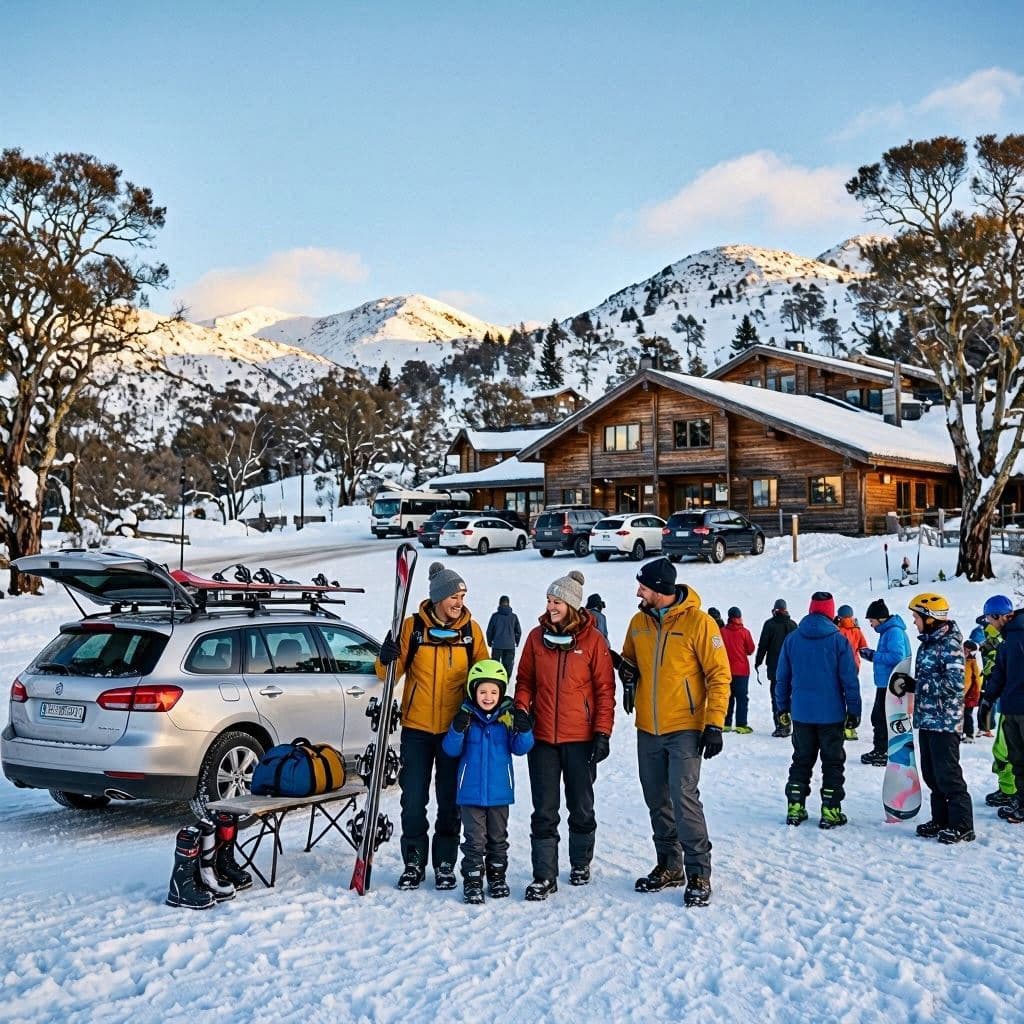
AI Image Disclaimer: This illustration was created using AI technology and is intended only as a visual representation. It does not depict the actual locations, people, or events mentioned in the article.
Sources:
The Guardian Australia
Published by Banx Network. This article is part of the Banx decentralized media programme, powered by the BXE token on the XRP Ledger.