
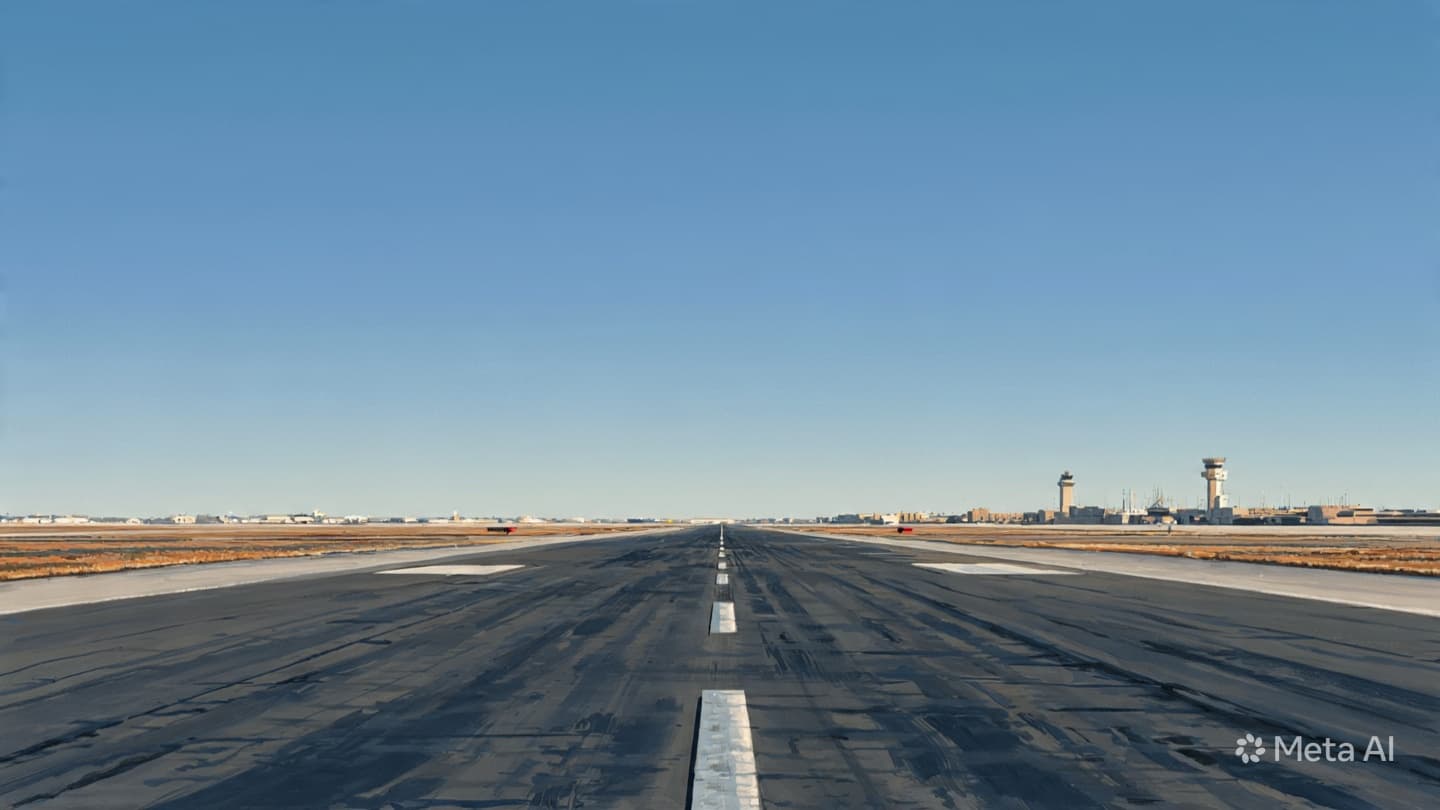
The international airport in General Santos City is a gateway, a point of arrival and departure that serves as the heartbeat of the region’s connection to the wider world. It is a place of perpetual motion, where the roar of jet engines and the bustle of travelers define the daily routine. But on this morning, following a powerful 7.8-magnitude earthquake, the airport fell into an unfamiliar, profound silence as operations were halted and seventeen scheduled flights were abruptly canceled.
Structural damage to a runway is more than a mere maintenance issue; it is a fundamental disruption of the links that bind a community to the rest of the archipelago. As the seismic shock moved through the terrain, the pavement—the very surface that facilitates the takeoffs and landings of thousands—sustained cracks and deformations. The result was an immediate, safety-driven decision to ground all flights, turning the terminal into a place of waiting rather than movement.
The decision to halt operations is a necessary, if difficult, acknowledgement of the reality of seismic risk. In the world of aviation, where precision is the only acceptable standard, there is no room for uncertainty. The Civil Aviation Authority of the Philippines has issued a notice to airmen, signaling that the runway, currently compromised, requires thorough inspection before it can once again serve as a path to the sky.
For the travelers whose journeys were interrupted, the day became one of redirected plans and sudden, unexpected delays. The airport terminal, usually characterized by the frantic pace of travel, took on a different atmosphere—one of shared patience and the collective navigation of a new, limited reality. It is a quiet study in human adaptability, as airlines work to rebook passengers and redirect travel through alternative hubs like Davao or Cotabato.
Reflecting on the silence of the runway, one is reminded of how dependent we are on the integrity of our infrastructure. We design our world to be resilient, to withstand the stresses of everyday use, yet we are constantly reminded that our most essential networks remain tethered to the ground. When the earth moves, those networks are the first to show the strain, revealing the fragility of the systems we often take for granted.
The work of inspecting the runway and the airport’s broader structural systems is a process of extreme, methodical detail. Engineers are currently walking the length of the pavement, assessing the extent of the deformation and determining what is required to return the facility to operational status. It is a task that cannot be rushed, a process that prioritizes safety above all else, ensuring that when the first engine finally roars again, it does so on a surface that is once again secure.
As the days unfold, the airport will remain a quiet observer of the recovery process. The closure, currently scheduled to extend until June 11, is a period of reflection for the aviation sector, a time to evaluate the vulnerabilities that were brought to light by the earthquake. It is a moment for looking toward the future, for implementing the lessons learned, and for ensuring that the gateway to General Santos is prepared for the challenges that may arise.
In the meantime, the city continues to navigate the aftermath of the quake, its people demonstrating a persistent, quiet strength. The grounding of the flights is just one facet of the broader effort to restore order, a singular piece of the larger puzzle of recovery. When the runway is eventually mended and the flights resume, it will be a milestone in the city’s return to the steady, rhythmic pace that defines its character.
The Civil Aviation Authority of the Philippines (CAAP) has suspended all commercial passenger flights at General Santos International Airport following severe structural damage to the runway caused by the 7.8-magnitude earthquake. Seventeen domestic flights were canceled on Monday, and the airport is restricted to government, military, and humanitarian operations through at least June 11, 2026. Passengers are advised to coordinate with their airlines for rebooking or rerouting options through alternative airports such as Davao or Cotabato.
Published by Banx Network. This article is part of the Banx decentralized media programme, powered by the BXE token on the XRP Ledger.


.jpg&w=3840&q=75 "Blake Lively Awarded $400,000 in Legal Fees After Justin Baldoni Lawsuit Dismissed")