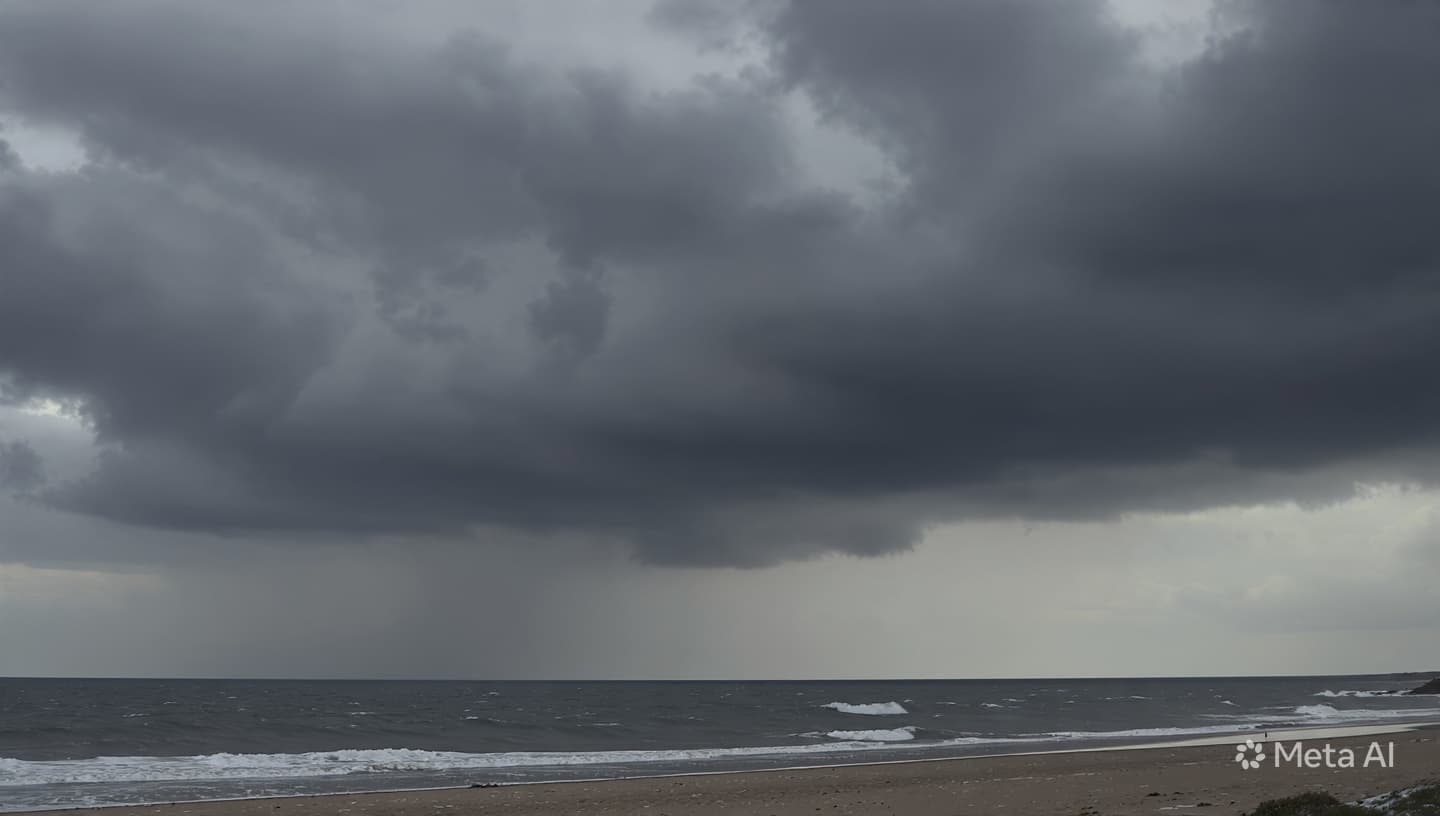
The transition of the seasons in the Caribbean is marked by a subtle change in the atmosphere. The air becomes heavier, the sky begins to hold a different depth of color, and the horizon assumes a quality of anticipation. This year, the arrival of the Atlantic hurricane season carries a weight that transcends the usual cycle of weather. For those living in the precarious conditions currently defining life in Port-au-Prince, the start of the season is not just a meteorological event, but a deepening of the vulnerability they already navigate.
It is a time for quiet reflection on the fragility of the structures that provide shelter. For the hundreds of thousands currently residing in makeshift dwellings, the potential for severe weather is an existential concern. The architecture of their displacement—tents, temporary communal halls, repurposed buildings—is not designed for the extremes that a hurricane season can bring. This reality hangs over the city, a collective consciousness of the need for preparedness in an environment where resources are already stretched to the limit.
Observers of the landscape recognize the interconnectedness of these challenges. The infrastructure of the city, already burdened by the pressures of ongoing conflict and limited service delivery, is now faced with the added threat of environmental instability. It is a compounding of risks, where the impact of a storm could potentially overwhelm the systems that are meant to support the population. This is the reality of life at the edge, where every shift in the climate is amplified by the circumstances on the ground.
The humanitarian perspective is one of active, steady preparation. It involves the mapping of flood-prone areas, the strengthening of shelter sites, and the coordination of response strategies that take into account the unique constraints of the current security context. It is a work of precision and urgency, carried out by individuals who understand that the safety of the most vulnerable depends on the effectiveness of these efforts. They operate with a sense of duty that is both calm and deeply committed.
There is a narrative of resilience that accompanies this work. Even as the threat of a storm season increases, the people of the city continue to prepare, organizing their communities and looking out for one another. It is a testament to the strength of the collective spirit, a belief that even in the face of environmental threats, there is a capacity for mutual support. This, too, is a significant part of the story, the way in which a community braces itself, not in fear, but with a quiet, steady resolve.
As the season progresses, the sky serves as a constant point of observation. Every cloud formation, every shift in the wind, becomes a moment of pause, a reminder of the fragility of the balance they inhabit. It is an experience that sharpens the focus on what is essential: the importance of safety, the necessity of shelter, and the critical need for continued, sustained support from the international community. The season is a lens through which the ongoing challenges of the region are brought into sharp relief.
The dialogue surrounding this season often centers on the logistical, yet it is rooted in the profoundly human. It is about the preservation of life in a place where the environment itself can feel like an adversary. The task is to ensure that, should the storms arrive, the systems in place are enough to protect those who have already lost so much. This is a responsibility that rests with everyone, a collective effort to build a bridge of safety across a period of uncertainty.
Ultimately, the onset of the hurricane season is a reminder of the resilience required to thrive in a place of shifting currents. It is a call to action, a nudge to ensure that the necessary preparations are made with care and commitment. As the city continues to navigate its current path, the approach of the season serves as a guide, sharpening the focus on the safety and well-being of the population. It is a season of waiting, of preparation, and of an enduring, quiet hope for safety.
According to warnings from the National Oceanic and Atmospheric Administration (NOAA) and various international humanitarian agencies, the 2026 Atlantic hurricane season is predicted to bring heightened activity, posing a direct threat to Haiti. Relief groups express extreme concern over the vulnerability of current displacement sites, which lack adequate drainage and structural reinforcement to withstand heavy rainfall or strong winds. Emergency protocols are currently being established to expedite evacuation and resource distribution for the most at-risk communities.
Published by Banx Network. This article is part of the Banx decentralized media programme, powered by the BXE token on the XRP Ledger.


.jpg&w=3840&q=75 "Intelligence Agencies Suspect Russia Is Developing Anti-Satellite Weapon to Target Starlink")