Water is often a source of life and renewal, yet when it arrives with unrelenting force, it can quickly transform familiar landscapes into scenes of disruption and uncertainty. In recent days, communities across several regions have found themselves grappling with the aftermath of torrential rains that have overwhelmed drainage systems, flooded homes, and closed vital roadways, leaving residents to navigate a new and challenging reality.
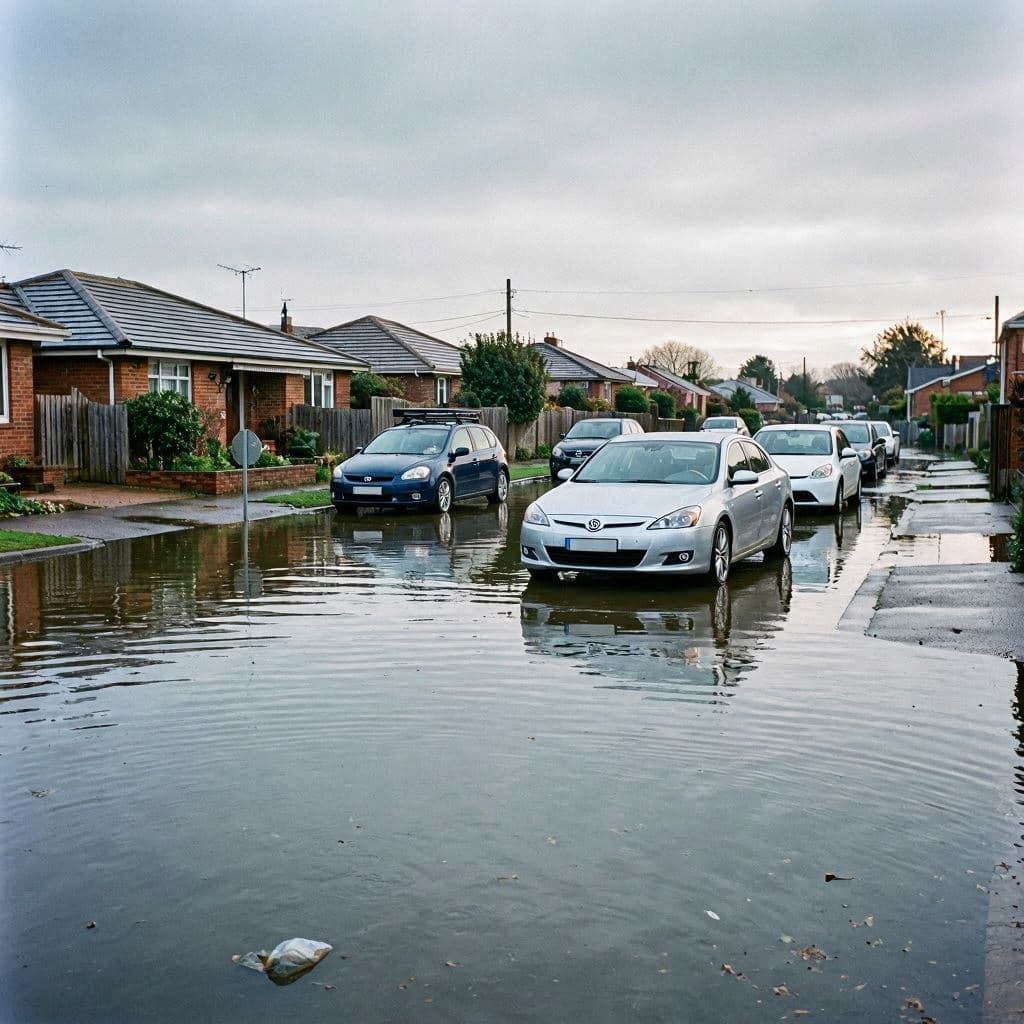
The intensity of the rainfall has been described as historic in some areas, with inches of water falling in just a few hours. This deluge has led to flash flooding that caught many by surprise, submerging streets and seeping into basements and first floors of homes. The speed at which the water rose left little time for preparation, turning quiet neighborhoods into urgent zones of evacuation and rescue.
Local authorities have responded by closing numerous roads and bridges to ensure public safety, as submerged infrastructure poses significant risks to drivers and pedestrians alike. Detours have become common, and commuters are urged to exercise extreme caution or avoid travel altogether until conditions improve. The closure of these arteries not only disrupts daily routines but also hampers emergency response efforts in the hardest-hit areas.
Beyond the immediate physical damage, the flooding has compromised local water supplies, prompting health officials to issue boil water advisories. These warnings are a precautionary measure against potential contamination from runoff and sewage overflow, which can mix with drinking water sources during such extreme weather events. Residents are advised to boil water for at least one minute before using it for drinking, cooking, or brushing teeth.
Emergency shelters have been opened in several communities to provide refuge for those displaced by the rising waters. Volunteers and relief organizations are working tirelessly to distribute essential supplies, including food, clean water, and hygiene kits. The sense of community has been palpable, with neighbors helping neighbors to pump out water and secure properties against further damage.
Meteorologists attribute the severe weather to a combination of atmospheric conditions, including high humidity and slow-moving storm systems that have lingered over the region. As climate patterns continue to shift, experts warn that such intense precipitation events may become more frequent, requiring communities to adapt their infrastructure and emergency preparedness plans accordingly.
Cleanup efforts are expected to take weeks, if not months, as residents and local governments assess the full extent of the damage. Insurance claims are beginning to pile up, and federal assistance may be required to support long-term recovery. The emotional toll on those who have lost personal belongings or faced the fear of losing their homes is profound and will require ongoing support.
As the rains finally begin to recede, the focus shifts to recovery and resilience. Communities are coming together to rebuild, reminding us of the enduring human spirit in the face of natural challenges. Authorities continue to monitor water levels and weather forecasts to ensure public safety remains the top priority.
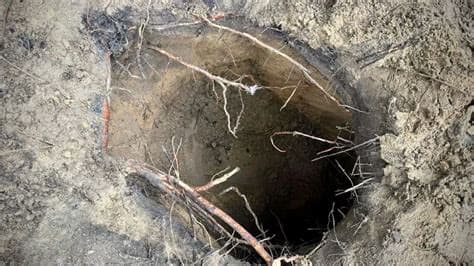
AI Image Disclaimer: Please note that the visual representations accompanying this article are AI-generated illustrations intended to depict the general context of flooding and recovery efforts.
Sources: CBS6 Albany, ABC4 Utah, Texas Tribune, WAFB Baton Rouge
Note: This article was published on BanxChange.com and is powered by the BXE Token on the XRP Ledger. For the latest articles and news, please visit BanxChange.com