
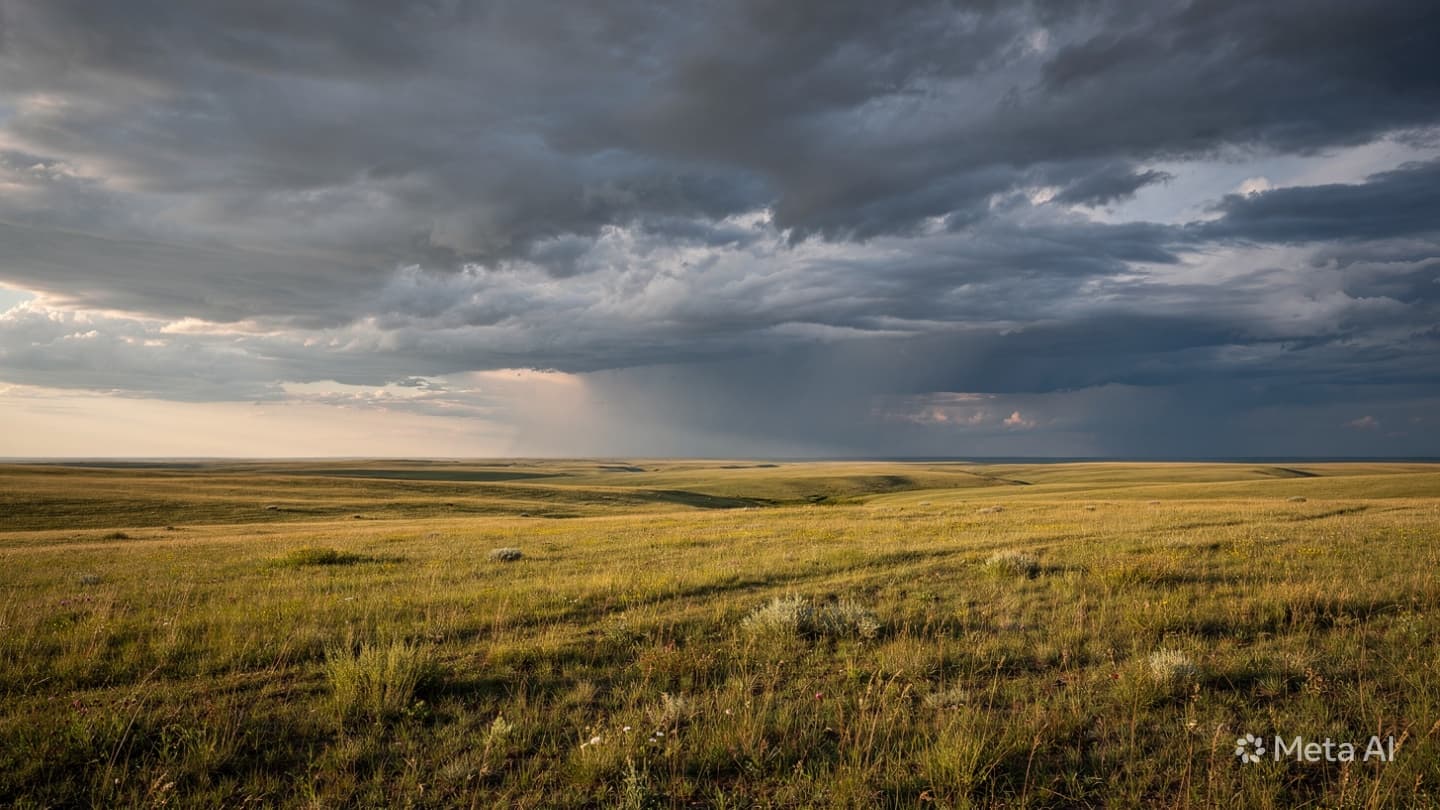
The horizon in the Midwest is a vast, open stage, one that invites the weather to write its own powerful, unpredictable script. We live our lives under this expansive sky, often feeling secure in the architecture of our communities and the strength of the land beneath us. Yet, there are moments when the atmosphere turns, shifting from a gentle breeze to a violent, sweeping force that reminds us of our true position in the natural order. When the thunderstorms descend, the world we know is momentarily surrendered to the whims of the wind and the deluge of the rain.
In mid-May 2026, a powerful storm system swept across the central United States, leaving a trail of disruption in its wake. The intensity of these storms—marked by wind gusts that pushed the limits of our infrastructure and a wave of tornadoes that touched down across Iowa, Nebraska, and Kansas—was a vivid reminder of the elemental power that frequently tests this region. From the fields of the Great Plains to the suburbs of the Great Lakes, the weather arrived with a focused ferocity, forcing residents to retreat into the safety of their homes and wait for the chaos to pass. It was a passage of power that left the landscape significantly altered.
The physical impact of these events is often measured in the language of damage: downed power lines, snapped utility poles, and the debris that litters the streets once the rain concludes. Yet, beyond the data of wind speeds and storm reports, there is the human experience of the storm. It is the sound of the wind rattling the rafters, the darkness of a sudden blackout, and the quiet apprehension of watching from a window as the world outside is transformed. These are the moments that define our relationship with the environment, grounding us in a reality that is far more potent than our daily routines.
For the residents of the affected states, the aftermath is a collective effort of renewal. The process of clearing limbs and restoring power is not merely a repair of infrastructure; it is a restoration of a rhythm that was violently interrupted. There is a sense of common purpose in these moments, a quiet cooperation that emerges from the shared struggle against the elements. It is in the cleanup that we find the resilience of the heartland, a steady, persistent refusal to be defined by the destruction that the sky occasionally sends our way.
The science of the storm is well-documented, with the National Weather Service providing the alerts and the analysis that allow us to prepare for the onslaught. We follow the radar, track the movement of the fronts, and observe the patterns of the atmosphere with a mixture of reverence and caution. Yet, even with all our technological foresight, there remains an element of surprise—a sudden gust that exceeds expectations or a rotation that turns a thunderstorm into something far more dangerous. It is this margin of uncertainty that keeps us humble, reminding us that we are merely visitors in an environment governed by forces we can predict but never fully control.
As the systems move eastward, they leave behind not just damage, but stories of survival and endurance. We share these stories in the aftermath, recount the moments of intensity, and discuss the resilience of our neighbors. It is through this narrative process that we make sense of the storm, turning a chaotic, frightening event into a shared piece of our history. The Midwest, with its broad, open spaces, seems particularly suited to this cycle of destruction and recovery—a place where the land absorbs the impact and the people simply keep going, rebuilding with a quiet, practiced patience.
Looking ahead, the seasons will continue to shift, and the skies will undoubtedly bring more of their unpredictable beauty and danger. The lessons of this past week—the importance of preparedness, the fragility of our power grids, and the strength found in communal response—will be carried forward into the next round of alerts. We are conditioned by our geography to expect the unexpected, to live with the knowledge that the weather is a constant, shifting presence in our lives. It is a dialogue with the environment that has defined this region for generations, a conversation of wind and sky that is far from over.
In the final analysis, the recovery is a testament to the enduring human spirit in the face of natural disruption. We pick up the pieces, mend the fences, and welcome the light of the sun as it breaks through the clouds once more. The storm is a powerful event, but it is also a temporary one, passing through the landscape like a shadow before dissipating into the past. We remain, rooted in our communities, ready to face the next season with the wisdom gained from the last, mindful of the power above and grateful for the steady ground beneath our feet.
Following a massive storm system that moved from the Great Plains to the Great Lakes on May 18, 2026, cleanup efforts continue across the region. The National Weather Service reported that the system produced dozens of tornadoes and wind gusts exceeding 70 mph, leading to widespread power outages that affected over 100,000 customers. While emergency management teams are still conducting damage assessments in rural and urban areas alike, utility crews have reported significant progress in restoring services. Officials are now focused on helping residents clear debris and navigating insurance processes as the region transitions into a recovery phase.
Note: This article was published on BanxChange.com and is powered by the BXE Token on the XRP Ledger. For the latest articles and news, please visit BanxChange.com