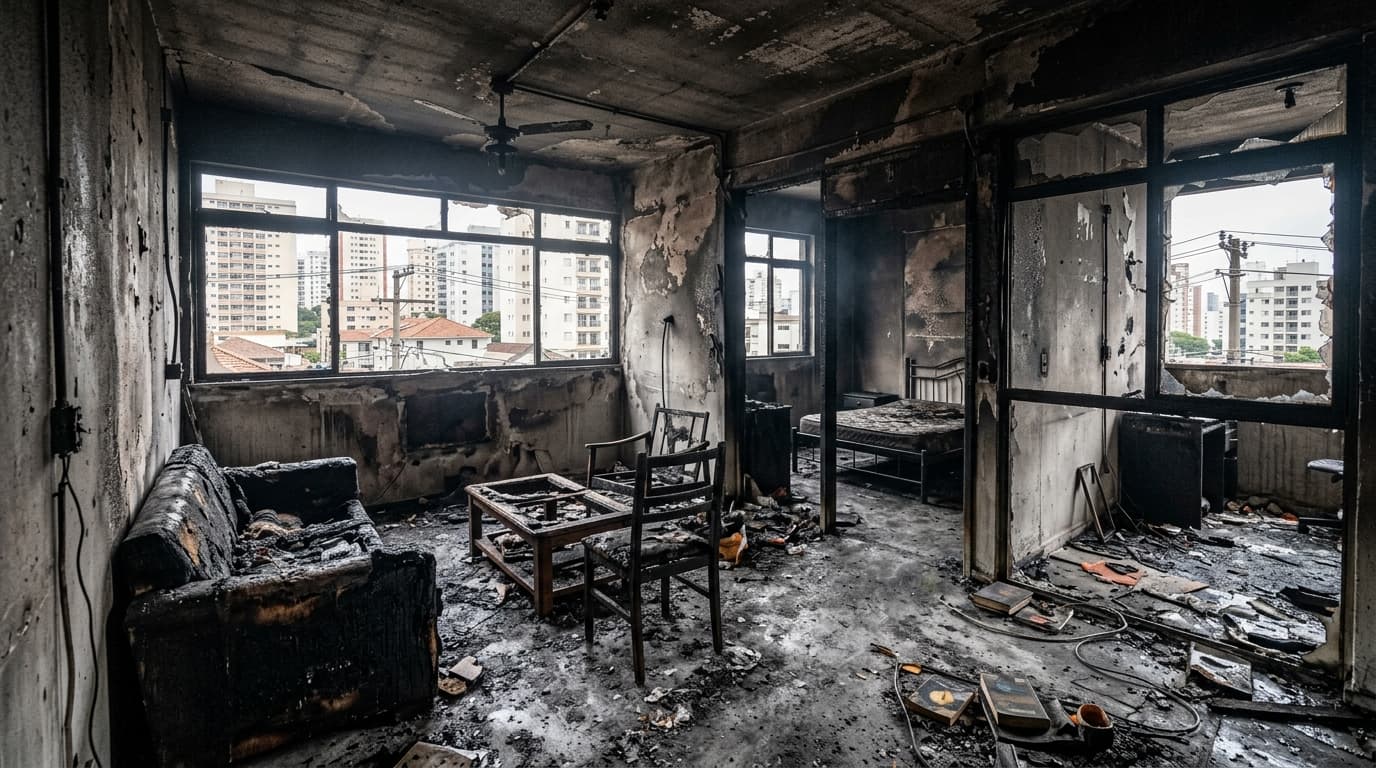
The sky, which should be a symbol of openness and limitless potential, has in recent months become a source of profound dread for the populations of central Myanmar and Rakhine State. A recent report from the United Nations has cast a sober, unwavering light upon this reality, documenting a minimum of 702 civilian deaths over a six-month period. This is not merely a number; it is a count of lost futures, of broken families, and of a landscape that has been irrevocably altered by the persistent, mechanical sound of aircraft overhead.
As investigators have sifted through the wreckage left in the wake of these strikes, a pattern has emerged that is both chilling and unmistakable. Of the lives lost, 476 are directly attributed to airstrikes—a stark indicator of how the geography of conflict has shifted. These are not incidental casualties in the heat of a battlefield; they are the result of a deliberate, sustained campaign that targets the very spaces where people seek to live, work, and congregate. The report’s findings are a testament to the vulnerability of the civilian population when the protections of international law are treated as inconveniences rather than imperatives.
There is a reflective, almost heavy quality to the documentation of these deaths. For those who collect the data—the human rights monitors, the local civil society groups, and the international observers—the task is one of bearing witness. Every name added to the ledger is a rejection of the idea that these lives can be dismissed as collateral damage. The sheer scale of the loss, particularly in the regions furthest from the spotlight of global attention, highlights the tragedy of a crisis that has become increasingly forgotten by the international community.
The timing of these events, spanning from the lead-up to the military’s announced elections through the close of voting, suggests a chilling strategic intent. The report notes that the frequency and lethality of these strikes did not subside; rather, they evolved, moving with the tide of the conflict. The fact that over a hundred of these deaths occurred before the voting even began speaks to a campaign of coercion and control that prioritized the silencing of dissent over the safety of the populace.
As the international community grapples with the implications of these findings, the focus must remain on the human dimension. Each airstrike leaves behind a crater, both in the physical landscape and in the community’s social fabric. Schools, homes, and places of worship—the anchors of daily life—are reduced to rubble, and with them, the sense of security that is essential for a society to function. The report is a call for a fundamental reassessment of the humanitarian situation, urging the world to look up and recognize the reality that is unfolding from above.
The verification of these deaths is a process fraught with difficulty. In areas where communication is severed and the presence of the military is absolute, information is a precious and dangerous commodity. The report’s reliance on credible, ground-level sources is what gives it its gravity, providing a snapshot of a reality that the authorities on the ground seek to obscure. It is a work of painstaking accuracy, performed in the name of accountability.
As we reflect on these findings, we are confronted with the limits of our own ability to intervene. The UN High Commissioner for Human Rights has spoken with a clear, urgent voice, reminding the world that the people of Myanmar have not simply been left behind; they have been forgotten. The documentation of 702 deaths is not an ending; it is a point of departure for a renewed call for justice and an immediate cessation of the violence that continues to rain down from the sky.
The path forward is one of persistence. By documenting every strike and verifying every death, the international community creates a record that cannot be erased. It is a promise to the victims that their lives mattered, and a warning to those who operate the controls that the world is, at last, watching.
A new report from the United Nations Office of the High Commissioner for Human Rights (OHCHR) has verified at least 702 civilian deaths in Myanmar between August 2025 and January 2026. According to the report, 476 of these fatalities were directly caused by military airstrikes, with the violence predominantly concentrated in Myanmar’s central regions and Rakhine State. The findings reveal a sustained pattern of attacks on civilian-populated areas, documenting 111 deaths that occurred even before the military-controlled elections in December 2025. The report underscores the escalation of aerial warfare as a primary tool of repression, leading to widespread displacement and the systematic erosion of local protection mechanisms.
Published by Banx Network. This article is part of the Banx decentralized media programme, powered by the BXE token on the XRP Ledger.