In the agricultural expanse of the southern districts, life moves in harmony with the vast, open skies that dictate the fortune of the planting season. The fields here are places of quiet, collective labor, where families gather to turn the dark soil, tend to young crops, and manage the delicate drainage lines of the valley floors. It is a pastoral routine that has sustained these communities for generations, built upon an intimate knowledge of the weather and a deep respect for the natural cycles of the earth. In these rural valleys, the horizon is wide and unobstructed, offering little shelter from the sudden shifts of the atmosphere.
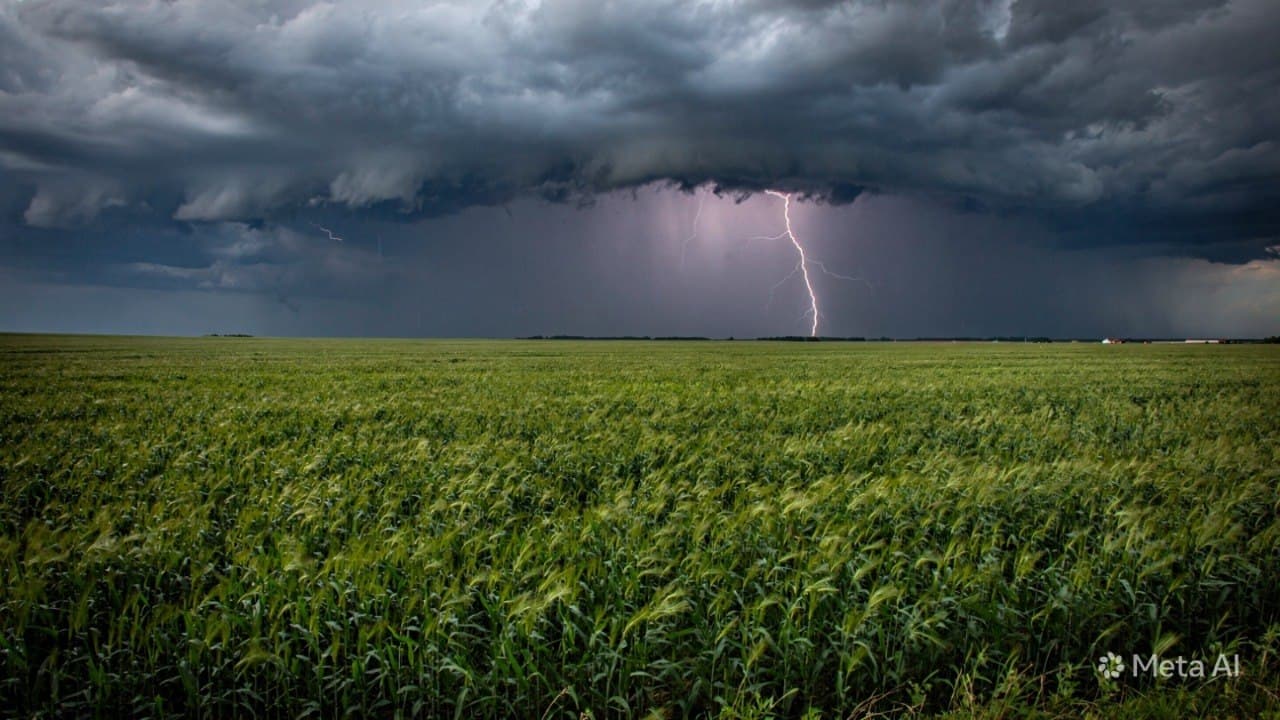
That open landscape became the stage for a brief and terrible tragedy when an isolated, electrically charged storm system swept rapidly across the southern basin. The afternoon had begun with the heavy, humid heat typical of the season, drawing dark cumulonimbus clouds low over the cultivated fields where workers were busy with their daily tasks. Before the laborers could seek shelter or retreat to the safety of their homes, a powerful lightning strike descended from the darkened firmament, striking directly into a group of five workers who were clearing a drainage furrow in an open field.
The physical intervention was instantaneous, leaving no room for evasion or defensive maneuver against the raw energy of the discharge. Two of the farming workers were killed instantly by the immense thermal shock, their tools slipping from their hands into the damp earth they had been tending moments prior. The remaining three companions sustained severe injuries, left stunned and incapacitated on the ground as the echoes of the thunder clattered violently across the surrounding ridges. The transition from peaceful cultivation to an active medical emergency unfolded with a shocking, unpredictable swiftness.
Neighboring farmers and family members rushed into the open field to administer what aid they could, wrapping the injured in blankets before transporting them toward the nearest district medical post. The incident stands as a somber reminder of the high environmental risks faced by rural laborers who work the land in regions prone to severe atmospheric electrical activity. Local administrative teams have visited the grieving hamlet to extend condolences and reinforce safety protocols regarding storm development in the open districts. The fields will eventually be tilled again, but the memory of the midday flash will cast a long shadow over the southern furrows.
Published by Banx Network. This article is part of the Banx decentralized media programme, powered by the BXE token on the XRP Ledger.