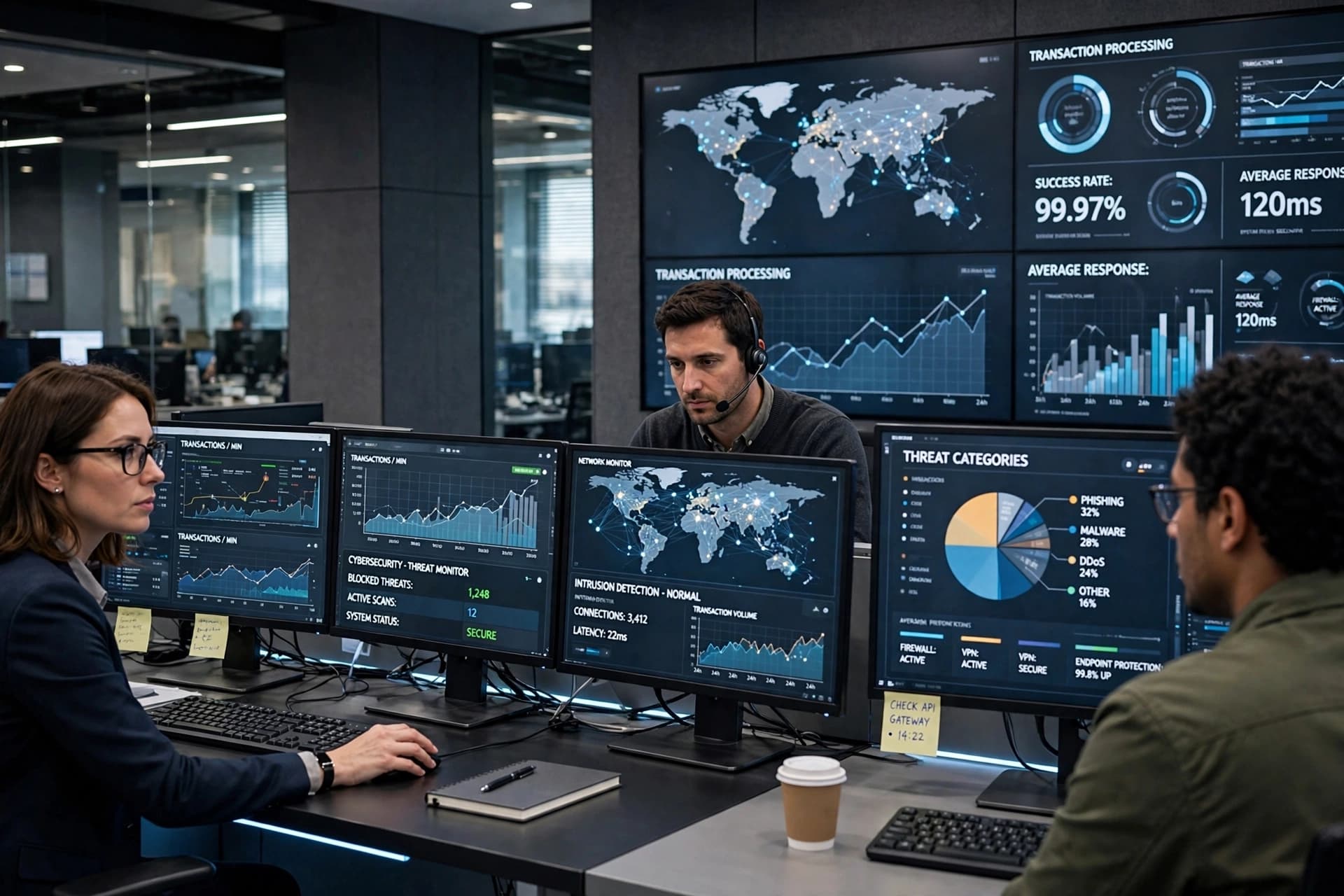
For months, the global technology market moved like a river swollen by spring rain. Artificial intelligence became the current carrying investors forward, lifting valuations and strengthening confidence across continents. Yet even the strongest rivers encounter calmer stretches, and on a volatile trading day, South Korea's stock market found itself confronting that reality.
The country's benchmark stock index fell roughly 4 percent as investors reacted to a sharp decline among AI-linked technology companies on Wall Street. The retreat spread quickly through Seoul's market, where semiconductor manufacturers and major technology firms occupy a dominant position in the nation's financial landscape.
At the center of the selloff were concerns surrounding the sustainability of the AI-driven rally that has powered global equities throughout much of the past year. Investors who had eagerly accumulated technology shares began reassessing valuations after signs emerged that expectations may have run ahead of near-term earnings realities.
South Korea's market is particularly sensitive to shifts in global technology sentiment. Companies such as Samsung Electronics and SK Hynix play crucial roles in the international semiconductor supply chain, making them closely tied to developments in artificial intelligence infrastructure and data-center expansion.
The decline followed weakness in major U.S. technology shares after investors responded negatively to earnings-related developments among AI-focused companies. Market participants increasingly questioned whether extraordinary spending on AI infrastructure would immediately translate into equally extraordinary profits.
Foreign investors contributed to the pressure by reducing exposure to technology-heavy positions. Such movements often have an outsized impact in South Korea, where international capital flows remain a significant force shaping daily market direction.
Analysts noted that the selloff did not necessarily signal a rejection of artificial intelligence as a long-term investment theme. Rather, it reflected a temporary reassessment of expectations. Financial markets frequently move through cycles of enthusiasm and caution, particularly when new technologies capture widespread attention.
Recent months had delivered remarkable gains for Korean equities, fueled largely by optimism surrounding semiconductor demand and AI-related investments. That success, however, also created conditions where investors became more willing to secure profits when uncertainty emerged.
Market observers emphasized that semiconductor exports and technology demand remain important pillars of South Korea's economy. While daily fluctuations can be dramatic, the broader outlook continues to depend on global demand for advanced chips and computing infrastructure.
As trading concluded, the sharp decline served as a reminder that even the most celebrated market narratives experience periods of hesitation. The story of artificial intelligence remains far from complete, but for one day at least, investors chose caution over momentum.
AI Image Disclaimer: Visuals are created with AI tools and are not real photographs.
Source Check Credible sources identified:
Reuters MarketWatch The Wall Street Journal Korea JoongAng Daily Trading Economics
Published by Banx Network. This article is part of the Banx decentralized media programme, powered by the BXE token on the XRP Ledger.