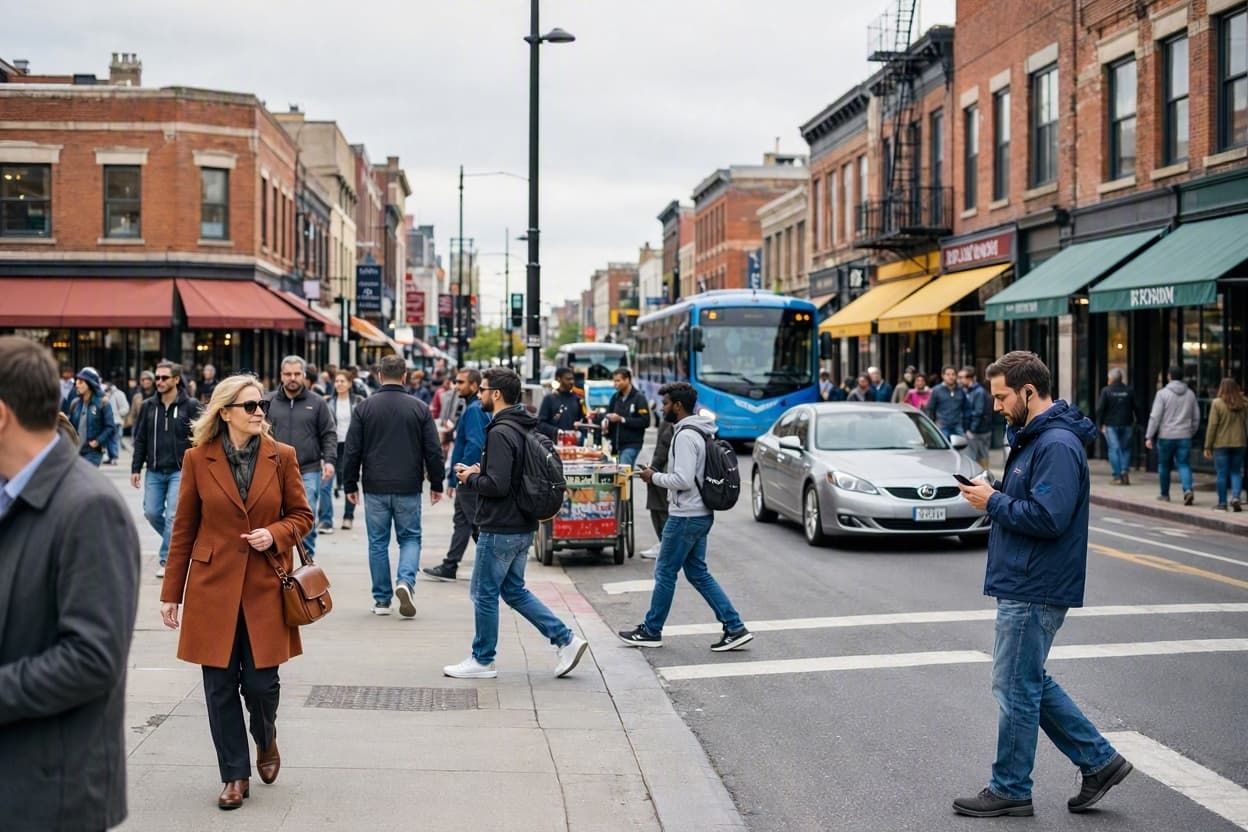
The metropolitan expanse of Buenos Aires is a dynamic financial and cultural capital characterized by its grand European-style avenues, bustling commercial corridors, and complex international trade links. This massive urban center offers an attractive target for transnational criminal organizations seeking to embed their illicit operations within a highly active formal economy. In recent years, regional law enforcement agencies have observed a steady southward expansion of sophisticated criminal syndicates originating in northern South America.
The most notable of these networks is the Tren de Aragua, a powerful Venezuelan-born prison gang that has evolved into a highly adaptive transnational syndicate operating across multiple countries. Utilizing a year of meticulous digital wiretapping, asset tracking, and international intelligence sharing, the Anti-Mafia Department of the Argentine Federal Police mapped a highly organized cell operating silently within the capital. The group specialized in taking the proceeds of regional extortion and human trafficking and filtering them directly into the local financial system.
In a highly coordinated, multi-district operation, tactical police units executed 17 simultaneous raids on private apartments, commercial offices, and informal currency exchanges spread across the city and neighboring provinces. Security forces moved swiftly to secure electronic evidence, luxury vehicles, and massive caches of foreign and domestic currency before the operators could trigger data-wiping protocols. The raids effectively crippled the administrative core of the syndicate's local operations.
The investigation revealed that the cell utilized an informal, trust-based financial transfer system known as "Hawala" to move billions of pesos outside the scrutiny of traditional banking oversight committees. By bypassing official banking channels, the network was able to rapidly funnel criminal capital across international borders, helping to fund operations as far away as Central America. The illicit funds were further disguised through the rapid purchase of high-value real estate assets and luxury items within Argentina.
Remarkably, intelligence units discovered that the primary operational directives for the money-laundering ring were being funneled from a maximum-security prison facility on the outskirts of the city. A high-ranking operative, previously detained on international red notices, had managed to maintain communication with outside brokers to oversee the syndicate's local asset management portfolios. This discovery has prompted an immediate review of security and communication protocols within the national penitentiary network.
The successful neutralization of this financial cell represents a major victory for the Argentine Ministry of Security, which has prioritized preventing transnational cartels from establishing permanent logistical roots within the country. By cutting off the financial valves that allow these groups to launder and profit from their regional criminal operations, authorities are aiming to make the local market inhospitable to foreign syndicates. The struggle requires ongoing, real-time collaboration with international partners like Interpol and regional task forces.
As the evening traffic flows smoothly along the wide lanes of Avenida 9 de Julio, the city's daily business continues without interruption, largely unaware of the complex criminal networks that contest the safety of its financial spaces. The historic government buildings and modern corporate towers stand illuminated against the night sky, symbolizing a state infrastructure determined to enforce the rule of law. The recent arrests send a clear signal that the country's borders remain heavily guarded against organized crime.
A formal declaration from the Ministry of Security confirmed the arrest of twelve individuals linked directly to the financial management of the Tren de Aragua syndicate within Argentina. Financial investigators estimate that the dismantled cell moved more than 200 billion pesos through informal parallel markets over a twelve-month period. Legal authorities have secured formal asset freezes on all properties, bank accounts, and high-value vehicles tied to the suspects as the judicial prosecution begins.
Published by Banx Network. This article is part of the Banx decentralized media programme, powered by the BXE token on the XRP Ledger.