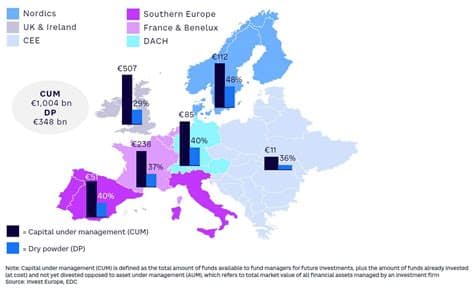
Portugal’s economic rebound is turning the country into a magnet for private equity, with funds increasingly targeting family-owned firms that once seemed out of reach—or too risky—for outside investors.
In the past few years, private equity investment in Portugal has surged, more than tripling as investors look for deals in a market that has shifted from crisis-era restructurings to growth opportunities. Instead of focusing mainly on distressed balance sheets from the sovereign debt period, many investors are now moving toward traditional buyouts and investments in companies positioned to benefit from improving conditions in Portugal.
The changing appetite is also reflected in how private equity funds are structuring opportunities: rather than only rescuing troubled firms, they are backing companies that can scale, professionalize, or expand—often with support in strategy and operations that complements family ownership.
Policy makers have helped improve the environment for deals, including offering programs and incentives that encourage equity-based financing and co-investment alongside private capital. That approach is intended to make capital cheaper and available for companies that might otherwise struggle to secure competitive bank funding, especially smaller businesses.
As a result, private equity’s presence is growing not just among larger transactions but across the broader middle market—an arena where many family businesses sit. The government’s aim to support restructuring while maintaining competitive tax and financing conditions has, according to industry observers, made Portugal more attractive for buyout funds.
Still, the influx of private equity comes with a fundamental tension: family businesses may be built around long-term legacy and multigenerational control, while private equity firms typically seek returns over a shorter investment horizon. That can mean changes in governance, decision-making, and ownership dynamics, even when families retain some influence through structures like partial stakes or negotiated protections.
Overall, the trend points to a broader reallocation of capital in Portugal: as the economy stabilizes and private credit channels improve, private equity is increasingly positioned as a partner—buying equity, supporting modernization, and reshaping ownership structures—in many of the country’s most enduring family enterprises.
Note: This article was published on BanxChange.com and is powered by the BXE Token on the XRP Ledger. For the latest articles and news, please visit BanxChange.com