The rhythm of the monsoon is the ancient heartbeat of the region, a predictable seasonal visitation that brings the vital water necessary to sustain agriculture, fill the great river deltas, and refresh the deep soil of the plains. For generations, the arrival of the rains has been celebrated as a renewal, a moment where the parched earth turns vibrant green and the rivers rise to meet their traditional banks. Yet, when that seasonal shift arrives with an unprecedented, relentless intensity, the traditional balance between the elements and the local ecosystem begins to tilt, revealing a changing landscape that challenges our understanding of environmental stability.
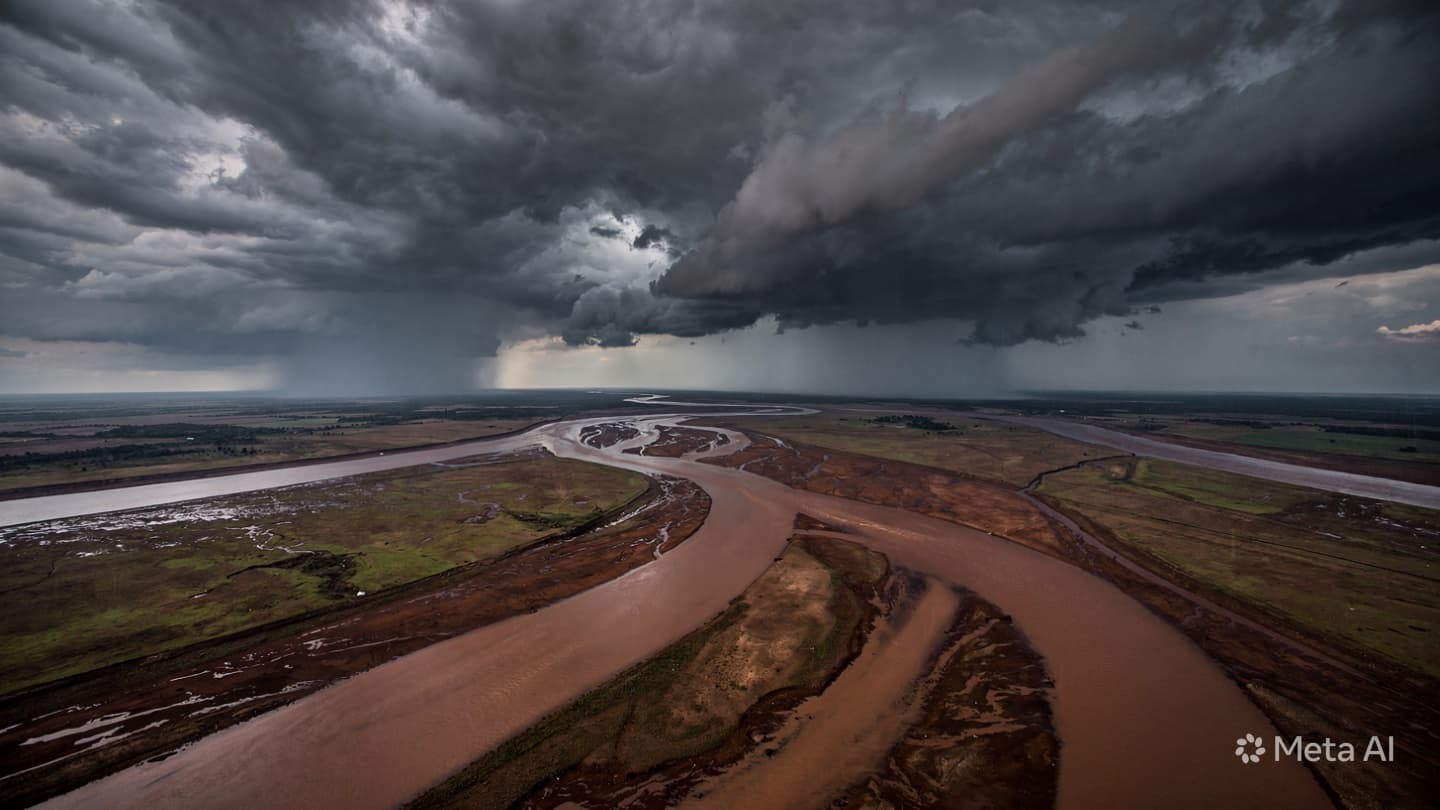
A comprehensive global weather advisory has issued a significant alert regarding an unprecedented intensification of the monsoon network, highlighting a series of unusual color changes occurring within local river systems and coastal estuaries. The event is characterized by a prolonged duration of high-volume precipitation, which has saturated the upland watersheds far beyond their historical norms. This immense volume of water, moving rapidly across the landscape, has initiated a widespread displacement of topsoil and organic material, transforming the normally clear waterways into heavy, dark ribbons that alter the appearance of the entire region.
According to environmental updates published by ReliefWeb Environmental Monitoring, the intensification is linked to broader atmospheric patterns that have allowed the storm systems to stall over critical river basins for consecutive weeks. The resulting runoff has carried unprecedented levels of mineral sediment and agricultural nutrients into fragile wetlands, causing a rapid shift in the local water chemistry. This change has triggered localized algal blooms and altered the reflective qualities of the water, creating a landscape where the traditional blues and greens of the delta are replaced by deep, earthy tones that can be observed from satellite orbits.
To travel through the affected provinces is to witness an ecosystem undergoing a visible, accelerated adaptation to extreme weather. The great rivers, which usually move with a stately momentum, now surge with a restless energy, their surfaces carrying logs, uprooted vegetation, and thick layers of fine silt from the mountains. The traditional fishing communities, long accustomed to reading the subtle changes in the water, find themselves navigating an unfamiliar environment where fish patterns have been disrupted by the dense suspension of sediment and the sudden drop in oxygen levels.
The sociological impact of this environmental shift is felt most acutely along the margins of the agricultural sectors, where the timing of the crop cycles is intimately linked to the traditional behavior of the monsoon. When the rains arrive with such disruptive force, low-lying fields are submerged for extended periods, risking the loss of the seasonal harvest and threatening the food security of millions who rely upon the delta's fertility. The situation demands a coordinated response from both local communities and international aid organizations, who must work together to mitigate the immediate economic displacement.
Throughout the lowlands, scientists and environmental researchers are working to document the long-term implications of this unprecedented seasonal behavior. They collect water samples from across the estuary networks, measuring the levels of turbidity and nutrient loading to understand how the ecosystem will recover once the monsoon eventually recedes. The data gathered during this event will be critical for updating climate resilience models, helping regional planners design more robust infrastructure capable of withstand the increasingly volatile weather patterns of the future.
The resilience of the natural world is immense, yet the current trend serves as a clear warning that the traditional stability of our global ecosystems can no longer be taken for granted. The intensification of the monsoon is not an isolated weather event; it is a visible manifestation of a changing climate that requires an immediate and sustained commitment to environmental stewardship and adaptive resource management. Protecting these vital landscapes demands a deep understanding of the interconnected systems that govern our planet, ensuring that we work with nature rather than against it.
As the heavy clouds continue to roll in from the ocean, maintaining their steady downpour over the saturated fields, the region braces for a long period of recovery and adaptation. The rivers will eventually return to their channels, and the sediment will settle back onto the delta floor, leaving behind a enriched yet altered terrain that will shape the character of the region for years to come. The lesson of the season is clear—the land and the sky are part of a single, continuous dialogue, and we must learn to listen to its changing tone with humility and care.
ReliefWeb Environmental Monitoring issued a global advisory warning of an unprecedented intensification of the monsoon system, which has caused significant sediment displacement and coloration changes across local river ecosystems. Satellite imagery confirmed that record-breaking rainfall has accelerated topsoil erosion in upland watersheds, transferring heavy mineral loads into primary coastal estuaries. Environmental agencies are currently collaborating with regional agricultural extension services to assess the long-term impact on water quality and local aquaculture.
Published by Banx Network. This article is part of the Banx decentralized media programme, powered by the BXE token on the XRP Ledger.