The morning tide along the coast of San Pedro brought with it a rising sense of unease as the ocean began to ignore its traditional boundaries. Driven by the distant, powerful rotation of a tropical storm, the water crept steadily upward, swallowing the white sand beaches that define the island's edge. The familiar turquoise shallows darkened into a churning, foam-flecked gray, signaling a profound shift in the sea's disposition. Before long, the first waves began to lap against the foundations of beachfront properties.
As the afternoon advanced, the rising coastal surge transformed from a gradual encroachment into a destructive element. Heavy, gray walls of water slammed into the wooden docks and piers, sending plumes of spray high into the wind-whipped air. The rhythmic pounding of the waves became a constant, low-frequency vibration that could be felt in the floorboards of buildings hundreds of yards inland. The sea had reclaimed the shore, turning boardwalks into floating timber and open patios into churning whirlpools.
The structural vulnerability of the waterfront became apparent as the hours wore on. Cabanas, restaurants, and storage sheds built close to the tide line bore the brunt of the ocean's fury. The force of the surge lifted small structures off their moorings, fracturing supporting stilts and splintering timber walls with a relentless, hydraulic pressure. To those watching from the relative safety of higher ground, the destruction looked methodical, as if the water were systematically erasing human handiwork.
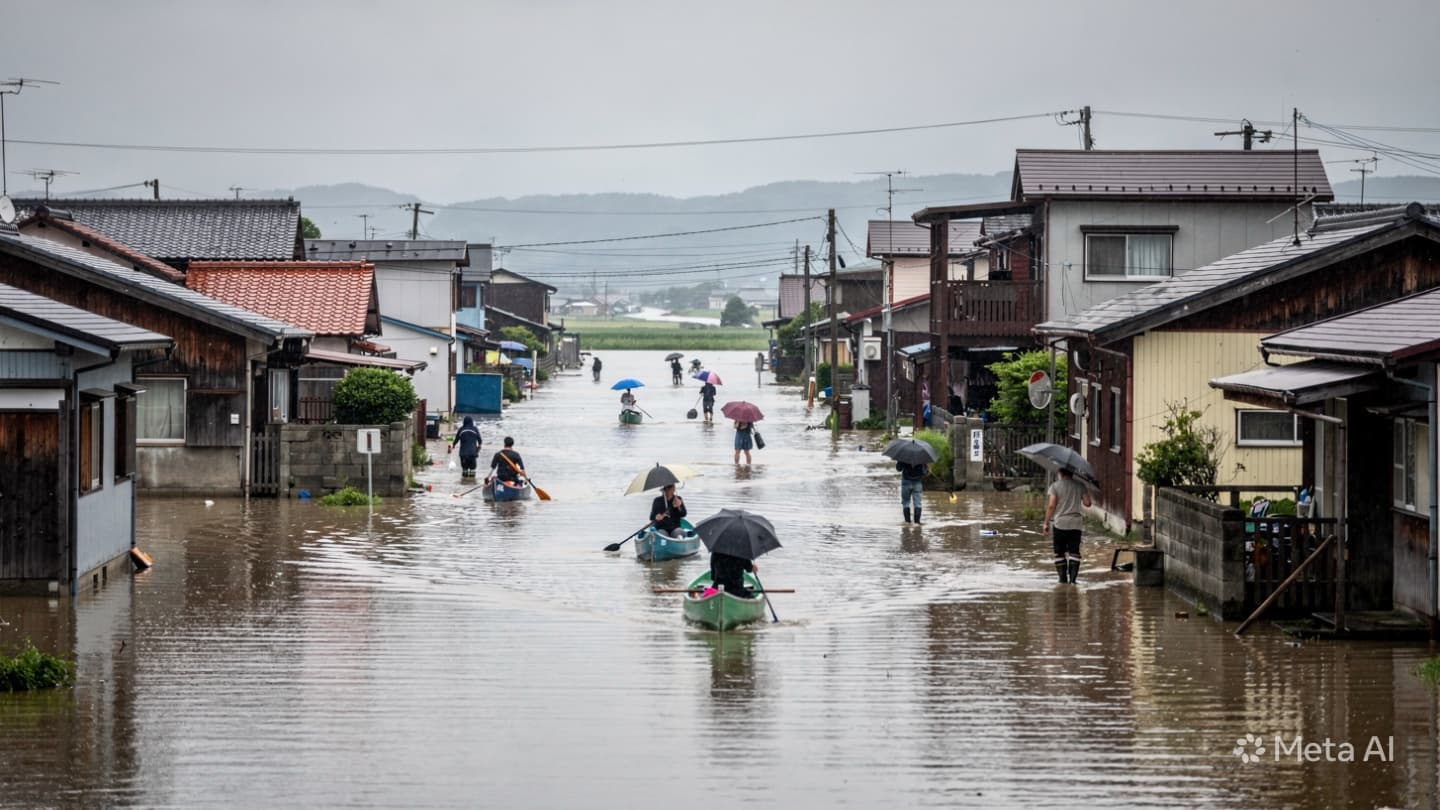
Further inland, the low-lying geography of the settlement offered little resistance to the incoming flood. Water rushed down the sandy streets, turning roads into shallow canals and isolating neighborhoods from one another. The brackish mixture of seawater, sand, and debris seeped beneath doorways, ruining floors and rendering ground-level rooms uninhabitable. The community found itself temporarily divided by a network of spontaneous waterways, forcing residents to wade through knee-deep currents to seek shelter.
As night fell, the sounds of the wind and water dominated the darkness, creating an atmosphere of isolation. Power grid infrastructure failed in the flooded zones, plunging the coastline into pitch blackness save for the occasional beam of a flashlight. The lack of visibility magnified the roar of the surf, leaving residents to wonder how far the water would penetrate before the tide finally turned. Every wave seemed to carry the threat of further structural collapse.
The following morning revealed a landscape dramatically altered by the storm's passage. The receding waters left behind a thick layer of gray silt, tangled sea grass, and the broken remains of fences and docks. Sand that had once comprised the beaches now choked the street drains and lay piled against the walls of homes. The immediate response of the townspeople was a quiet, determined emergence into the damp air to assess what the sea had taken.
Neighbors helped neighbors clear the heaviest debris from the thoroughfares, working in a silence broken only by the scraping of shovels. There was no despair in the labor, but rather a practiced resilience born of living on a narrow strip of land surrounded by an unpredictable ocean. The task of rebuilding would be long and expensive, but the immediate priority was securing what remained before the next tide cycle could inflict further damage.
Local emergency services and municipal damage assessment teams began compiling their official reports on the extent of the flooding. The surge completely destroyed several commercial piers and caused severe structural undermining to dozens of waterfront buildings. Public works crews have begun clearing the blocked drainage systems to accelerate the removal of standing water from the residential sectors. Local officials confirmed that emergency relief distribution is underway, though complete infrastructural restoration will require significant regional assistance.
Published by Banx Network. This article is part of the Banx decentralized media programme, powered by the BXE token on the XRP Ledger.