Along the Gulf of Guinea, the coastline has long served as a meeting place between land and ocean, supporting vibrant cities, busy ports, and generations of coastal communities. Yet the same waters that sustain livelihoods are becoming increasingly unpredictable as climate change and rapid urban growth reshape the region's relationship with the sea.
Scientists and climate researchers say the Gulf of Guinea is facing a growing flood threat driven by a combination of rising sea levels, heavier rainfall, and expanding urban development. The coastline, stretching from Liberia to Gabon, is among Africa's most vulnerable coastal regions because of its low-lying terrain, dense population, and extensive economic infrastructure.
Recent flooding across several West African countries, including Côte d'Ivoire, Ghana, Togo, and Nigeria, has highlighted these risks. Researchers from the World Weather Attribution initiative concluded that human-induced climate change made the extreme rainfall event significantly more likely and more intense than it would have been in a pre-industrial climate.
Experts note that climate change is only part of the challenge. Rapid urbanization has placed increasing pressure on drainage systems, wetlands, and floodplains. In many coastal cities, housing developments and informal settlements have expanded into areas naturally designed to absorb excess water, reducing the landscape's ability to manage heavy rainfall.
Research published in Scientific Reports projects that sea-level rise could substantially increase permanent coastal inundation across the Gulf of Guinea during this century. Under higher greenhouse gas emission scenarios, millions of people could face greater exposure to flooding, shoreline erosion, and saltwater intrusion that threatens freshwater resources and agriculture.
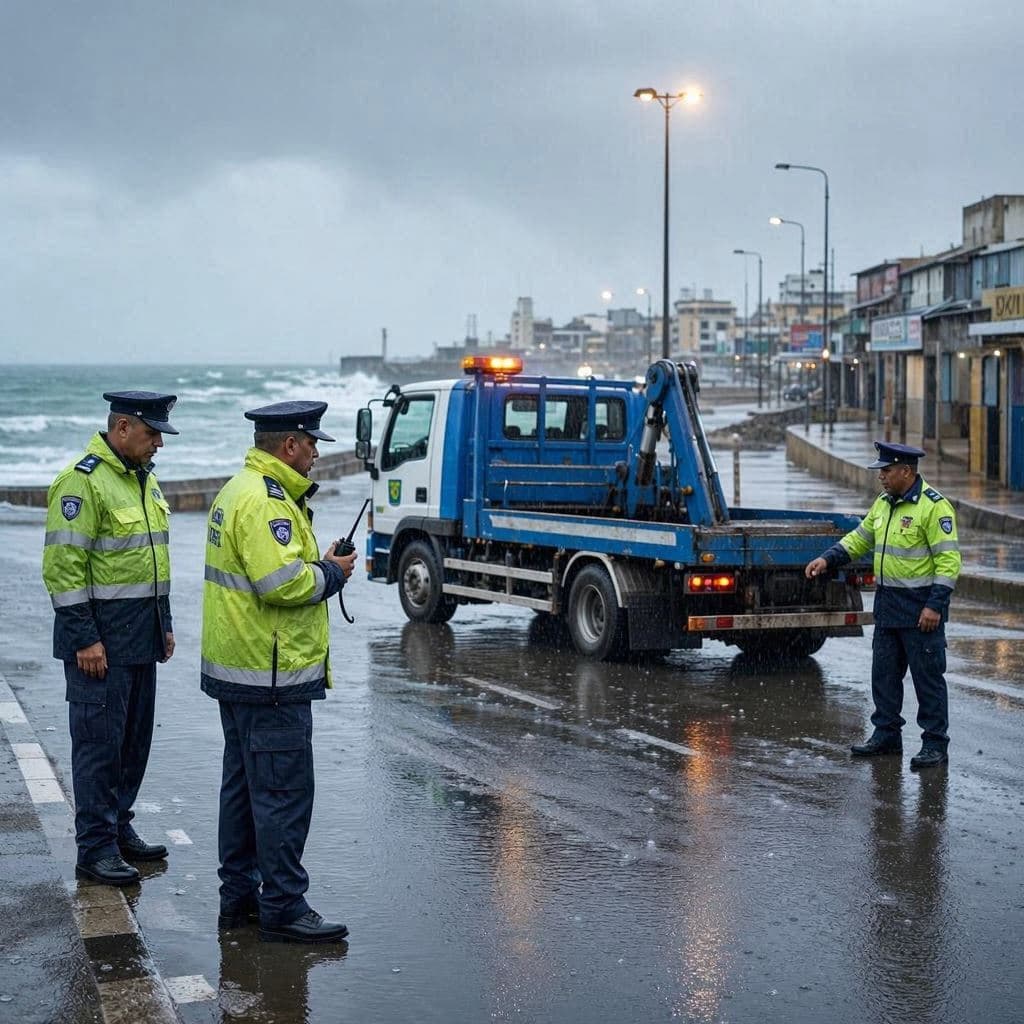
Cities such as Lagos, Accra, Abidjan, and Cotonou already experience seasonal flooding that disrupts transportation, damages homes, and interrupts economic activity. Population growth continues to increase demand for housing and infrastructure, making flood management more complex as urban areas expand toward vulnerable coastal zones.
Researchers emphasize that reducing future risks will require a combination of adaptation measures. Improved drainage systems, protection and restoration of wetlands and mangroves, stronger land-use planning, and investments in resilient infrastructure can help reduce flood impacts. At the same time, limiting global greenhouse gas emissions remains essential to slowing long-term sea-level rise and the increasing frequency of extreme weather events.
The Gulf of Guinea's coastline continues to support millions of people and some of West Africa's most dynamic economies. As climate conditions evolve and cities continue to grow, the challenge facing governments and communities is not only responding to today's floods but preparing for a future in which resilience becomes an increasingly important part of coastal development.
AI Image Disclaimer: The accompanying images are AI-generated illustrations intended to visualize the environmental conditions described and are not actual photographs of the reported events.
Sources (verified):
The Guardian Scientific Reports World Weather Attribution UNDP Nature
Published by Banx Network. This article is part of the Banx decentralized media programme, powered by the BXE token on the XRP Ledger.