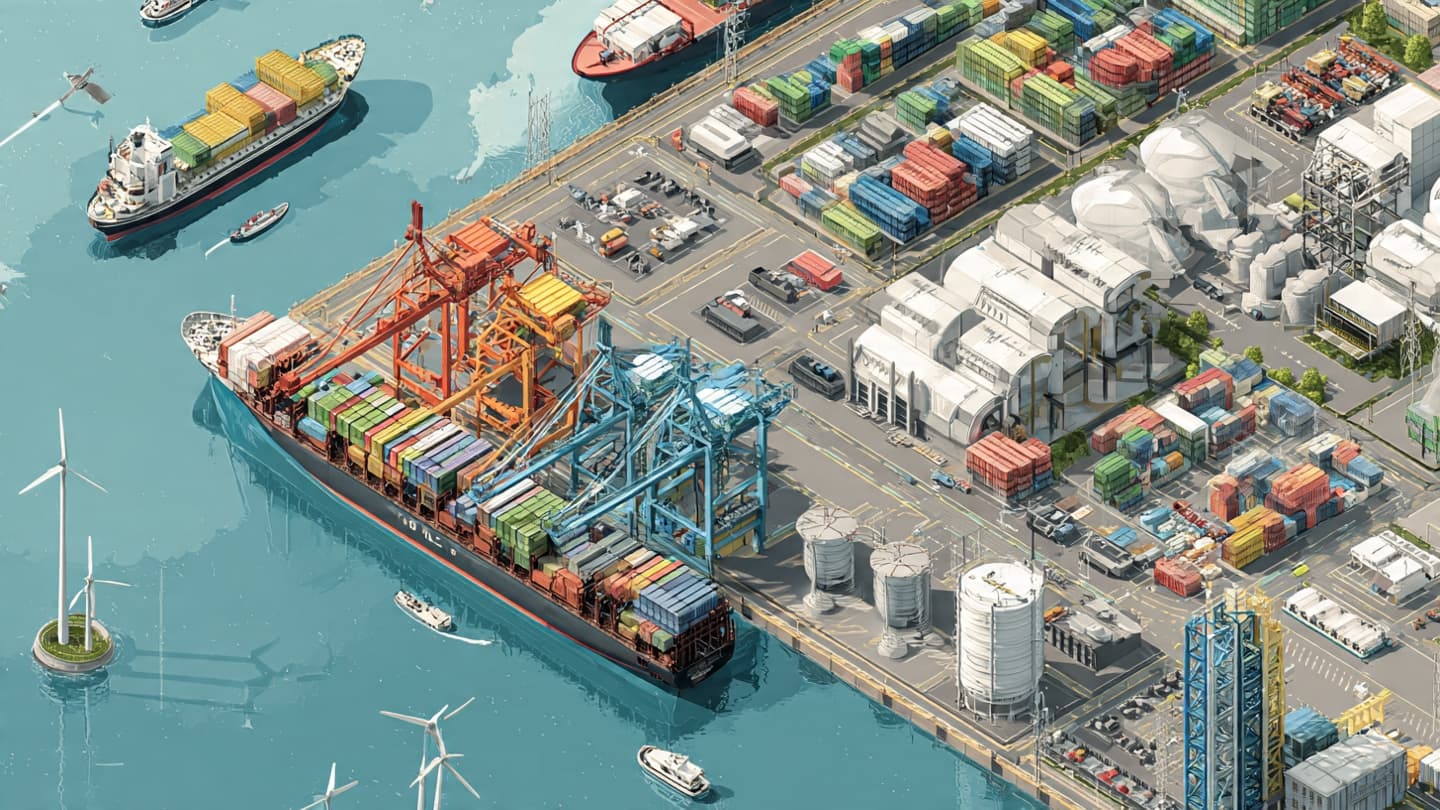
Global trade often resembles a vast river system. Goods, energy, and resources move through carefully established routes, connecting producers and consumers across continents. Most of the time, this movement feels effortless, hidden behind supermarket shelves, fuel stations, and factory supply chains. Yet when disruptions emerge along critical corridors, the effects can spread far beyond their point of origin. Recent developments affecting regional shipping and energy markets have once again demonstrated how interconnected the global economy has become.
Oil remains one of the world's most strategically important commodities. It fuels transportation networks, powers industries, and influences production costs across numerous sectors. Even modest fluctuations in supply expectations can lead to noticeable movements in international prices. Markets often react not only to actual disruptions but also to the possibility of future uncertainty.
Energy analysts note that transportation routes play a particularly important role in determining market stability. Maritime corridors that handle large volumes of oil shipments serve as vital links between producers and consumers. Any threat to the smooth operation of these routes can influence shipping costs, insurance premiums, and delivery schedules.
The consequences extend beyond the energy sector itself. Rising fuel costs can affect manufacturing expenses, freight transportation, aviation operations, and agricultural production. Businesses throughout global supply chains monitor these developments carefully because changes in energy prices often influence broader economic conditions.
Financial markets also respond quickly to uncertainty. Traders evaluate geopolitical developments, shipping data, and inventory reports in an effort to anticipate future trends. Such assessments contribute to price volatility that may continue even when physical supply disruptions remain limited.
Consumers may eventually notice some of these effects through higher transportation costs or changes in product pricing. While the impact varies by region and industry, energy remains deeply embedded in everyday economic activity. Consequently, shifts in oil markets can influence household budgets as well as corporate planning decisions.
Governments and international organizations continue monitoring developments closely. Many countries maintain strategic reserves or diversification strategies designed to reduce vulnerability to sudden supply interruptions. These measures aim to strengthen resilience during periods of uncertainty.
Meanwhile, shipping companies face operational challenges of their own. Route adjustments, security considerations, and scheduling changes can require significant logistical coordination. Maintaining reliable delivery networks becomes increasingly important when market conditions fluctuate.
Experts emphasize that global trade systems have demonstrated considerable adaptability over time. Alternative transportation routes, technological improvements, and diversified supply chains provide mechanisms for responding to disruptions. Nevertheless, major energy corridors remain critical components of international commerce.
As markets continue evaluating the situation, the broader lesson remains clear. In an interconnected world, events affecting a single region can influence economic activity far beyond geographic boundaries. Like currents moving through an ocean, the effects of uncertainty often travel farther than expected, shaping decisions from boardrooms to households around the globe.
AI Image Disclaimer: Images in this article are AI-generated illustrations, meant for concept only.
Source Check Credible sources identified:
Reuters Bloomberg Financial Times The Wall Street Journal International Energy Agency (IEA)
Published by Banx Network. This article is part of the Banx decentralized media programme, powered by the BXE token on the XRP Ledger.