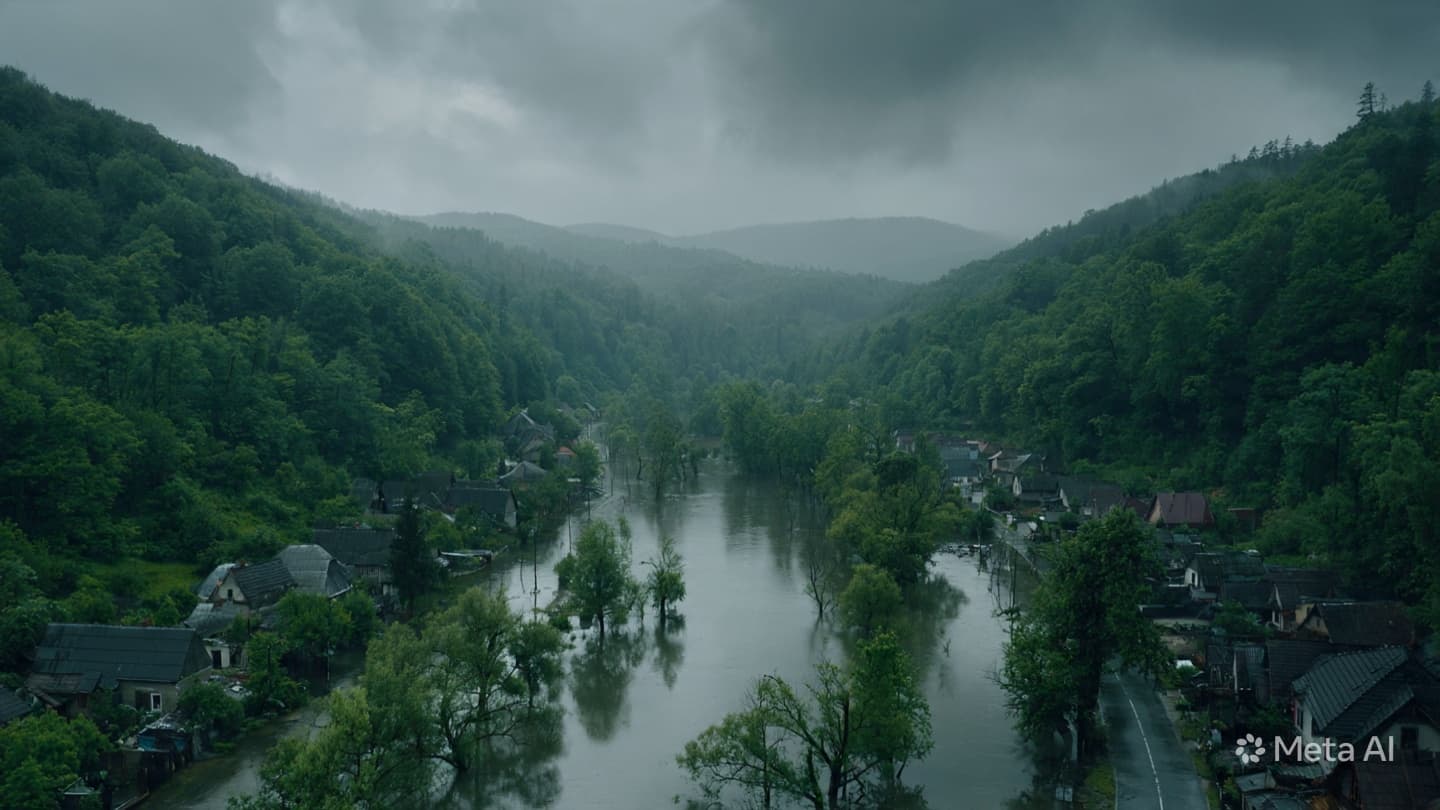
The geography of Mazandaran has always been defined by the delicate tension between the lush, verdant mountains and the encroaching sea. It is a landscape of profound beauty, where the air is perpetually heavy with moisture and the rivers carry the memory of the heights down to the coastal plains. For those who dwell in the small, nestled communities along these watercourses, the river is often a companion—a steady, rhythmic presence that anchors the daily cycle. Yet, there exists a hidden, dormant fury within these channels, a capacity to swell beyond the boundaries of human expectation when the clouds break in relentless, cascading torrents.
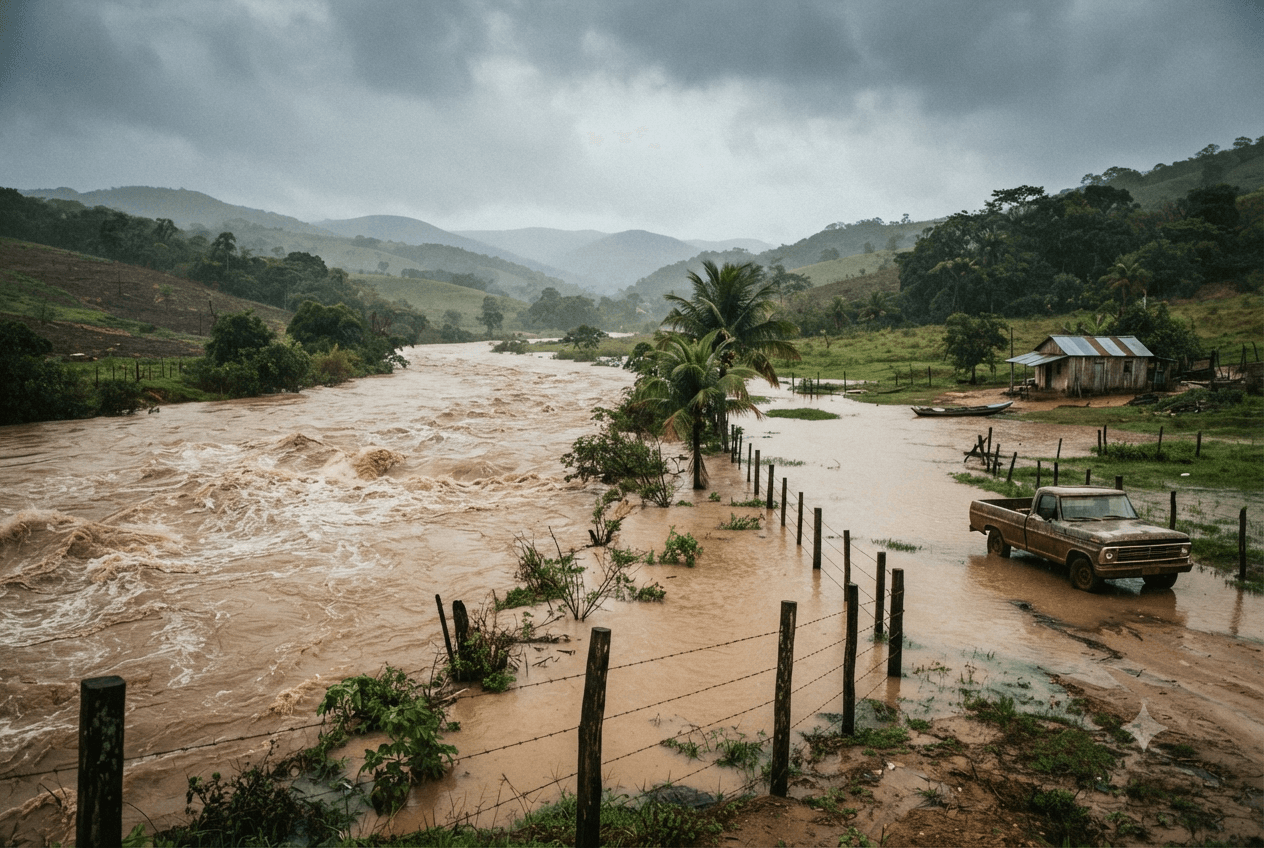
A recent episode of flash flooding has rewritten the topography of several neighborhoods, as the sudden, violent surge of water breached the earthen walls that stood between the river and the home. The rains, falling with an intensity that defied the standard seasonal patterns, transformed the quiet streams into thundering, mud-laden arteries of destruction. Houses that had stood for years, silent witnesses to the changing seasons, were swept away in the chaotic migration of debris and sediment, leaving behind only the stark, hollowed foundations of what was once a domestic sanctuary.
The human cost of this sudden realignment of the land has been confirmed in the saddest of terms, with four lives lost to the currents. For the survivors, the experience of the deluge is one of profound displacement, a sensory memory of the roar of the water and the sudden, jarring loss of all that was familiar. There is an editorial gravity in such events, a reminder that while we carve our lives into the landscape, the land itself remains the ultimate arbiter of space. The floods are not merely a meteorological anomaly; they are a harsh, physical encroachment upon the stability of human settlement.
Emergency relief teams have since fanned out across the province, navigating the treacherous, water-logged terrain to reach those isolated by the damage. Their work is a delicate process of reconstruction and aid, a response to the immediate hunger, cold, and uncertainty that follows such a natural rupture. The sight of rescue crews maneuvering through streets that have become temporary tributaries serves as a sobering reflection on the fragility of our infrastructure when faced with the raw, unbridled momentum of the elements. It is a scene of organized labor pitted against the aftermath of disorganized, chaotic force.
In the aftermath, the focus shifts toward the resilience of the local community and the daunting task of recovery. The destruction of bridges and the blocking of communication routes have left many families waiting in a suspended state, cut off from the networks that typically facilitate their survival. Each day of recovery is a slow, methodical reclamation of normalcy, a battle against the mud and the debris that now fills the spaces where children once played and commerce once thrived. The landscape itself seems to be breathing a heavy, damp sigh, holding the remnants of the flood in its silt-choked basins.
Reflections on the event inevitably turn to the history of the region’s waterways and the changing environmental conditions that seem to be accelerating the frequency of such disasters. Whether through the lens of climate shifts or the legacy of infrastructure management, the deluge in Mazandaran is a chapter in a much longer, ongoing conversation about humanity’s place in the natural order. We build with the intention of permanence, yet the river reminds us of the ephemeral nature of all we construct. The tragedy is a quiet, insistent prompt to re-evaluate our relationship with the water.
As the authorities begin the work of assessing the damage and providing for those who have lost their homes, the atmosphere in Mazandaran remains one of somber introspection. The four lives lost are being mourned by a community that understands the volatility of its own environment, a community that knows the river can be both a source of life and a messenger of ruin. The investigation into the incident will eventually detail the specifics of the rainfall and the structural failures, but the emotional truth remains fixed on the simple, devastating fact of the loss.
In the final assessment, the tragedy serves as a testament to the unpredictable power of nature and the vulnerability of our built world. The government has mobilized aid to address the immediate needs of the families affected, with rescue operations continuing in the hardest-hit areas. Official reports acknowledge the destruction of property and the tragic toll on human life, while local agencies remain on high alert as the weather patterns continue to demand caution. The recovery will be a long process, measured in the gradual drying of the earth and the rebuilding of the broken hearths.
Note: This article was published on BanxChange.com and is powered by the BXE Token on the XRP Ledger. For the latest articles and news, please visit BanxChange.com