
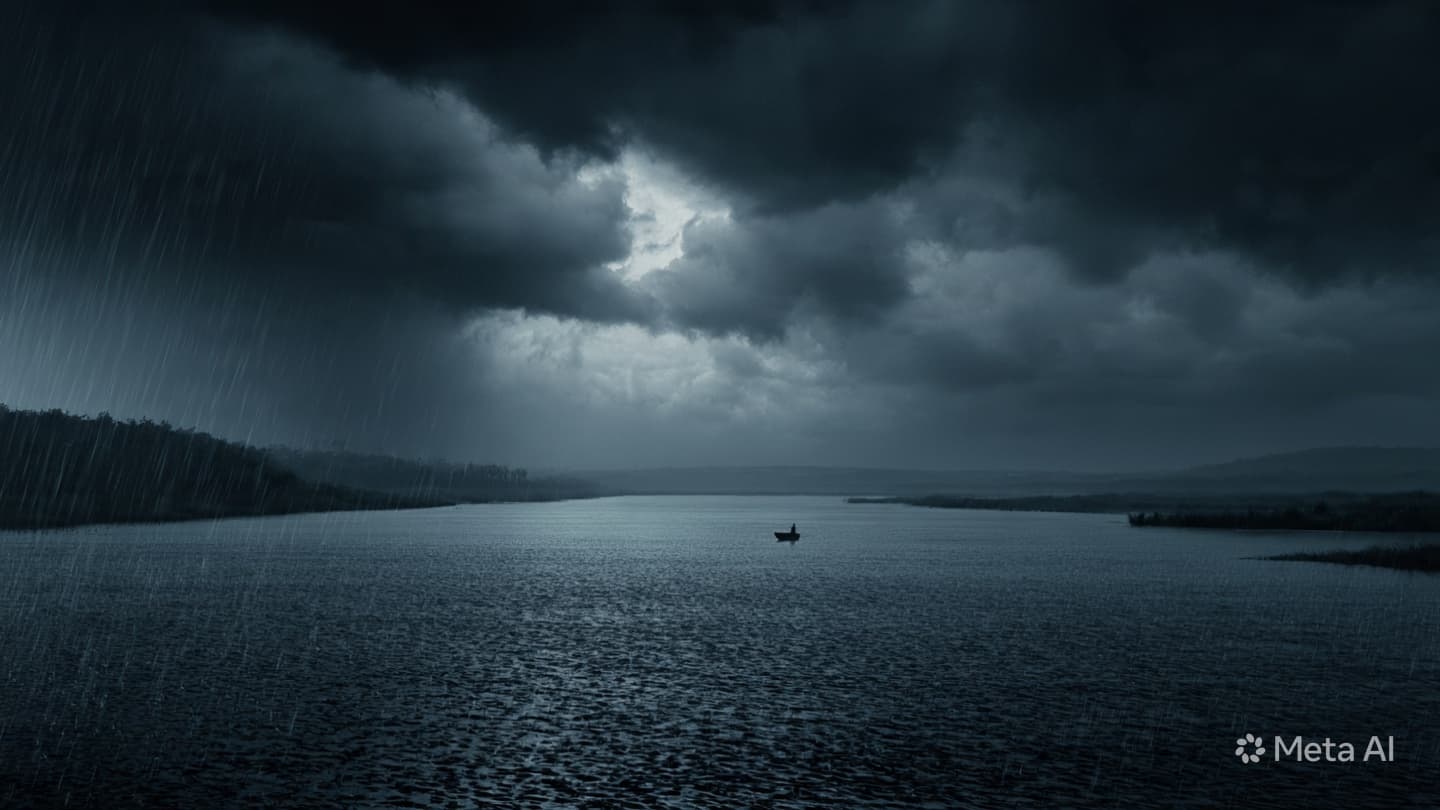
The Chindwin River is the lifeblood of the Sagaing region, a winding, serpentine artery that dictates the flow of commerce and the rhythms of daily travel. For those who live along its banks, the river is a companion, a constant presence that can be gentle in the morning heat or volatile under the darkening sky of a storm. When the weather turns, the river undergoes a transformation; it loses its placid, mirror-like quality and becomes a turbulent, unpredictable force that demands a level of respect often tested by the heavy load of a ferry.
In the height of a sudden storm, the transition from movement to catastrophe on the Chindwin can be swift and overwhelming. A passenger ferry, usually a symbol of reliable transit for villagers moving between isolated townships, suddenly finds itself grappling with crosswinds and surging, sediment-heavy water. For those on board, the steady hum of the motor is replaced by the roar of the gale and the frantic, tilting motion of the vessel. It is a moment where the thin barrier between a routine commute and a profound maritime tragedy dissolves.
The recent sinking of a ferry vessel serves as a somber reminder of the vulnerabilities inherent in riverine travel. When the boat heels over and the river rushes in, the geography of the Chindwin becomes a challenging expanse for even the most experienced swimmers. The loss of six souls is a heavy count, a tragedy that resonates through the small, interconnected communities that rely on these boats. It forces a quiet, uncomfortable reflection on the safety standards that govern these waterways, where the demand for transit often outpaces the capacity for protective oversight.
Observing the aftermath, one finds a scene of muted activity. The riverbank, usually bustling with the movement of goods and travelers, becomes a space of mourning. Local authorities and search teams work against the clock and the currents, their efforts a testament to the persistent, often thankless task of recovering what the river has claimed. It is a process marked by the damp, heavy scent of rain-soaked earth and the low-voiced conversations of those waiting for news, their focus narrowed to the muddy, churning expanse of the water.
There is a reflective space in understanding why such incidents occur. The interplay between climate—often manifesting as unpredictable storms—and the reliance on aging, overloaded vessels creates a fragile equilibrium. The Chindwin is not merely a path; it is an environment that requires a constant, rigorous adherence to safety that is difficult to enforce across such a vast, remote region. Every accident is a data point in a larger conversation about infrastructure, yet for the families affected, the tragedy is singular, absolute, and deeply personal.
The resilience of the riverine community is a defining, if sometimes painful, characteristic. They continue to board these vessels, driven by the necessity of reaching the market, the school, or the home. This persistence is not born of a disregard for the danger, but of a lack of alternative paths. The river is the only way forward, and they navigate it with a cautious, watchful eye, forever aware of the stories embedded in its currents—tales of those who navigated safely and those who were caught by the sudden shift in the weather.
As the authorities begin their investigation into the cause, looking at everything from the wind speed to the structural integrity of the hull, the community turns its gaze toward the horizon. They wait for the water to calm, for the sun to break through the gray, and for the rhythm of the river to return to its familiar pace. It is a cycle that has defined life in the Sagaing region for generations, a quiet, ongoing negotiation with an environment that provides sustenance but reserves the right to reclaim its passage.
Ultimately, the sinking of the ferry is a mirror held up to the reality of life on the Chindwin. It reminds us that we are guests on these waters, traversing them at the mercy of elements that remain largely beyond our control. As the investigation moves forward and the reports are filed, the river continues its flow, indifferent to the loss but essential to the lives of those who remain. They rebuild, they continue, and they watch the clouds with a newfound, heavy awareness of the thin line between the shore and the deep.
Published by Banx Network. This article is part of the Banx decentralized media programme, powered by the BXE token on the XRP Ledger.


