
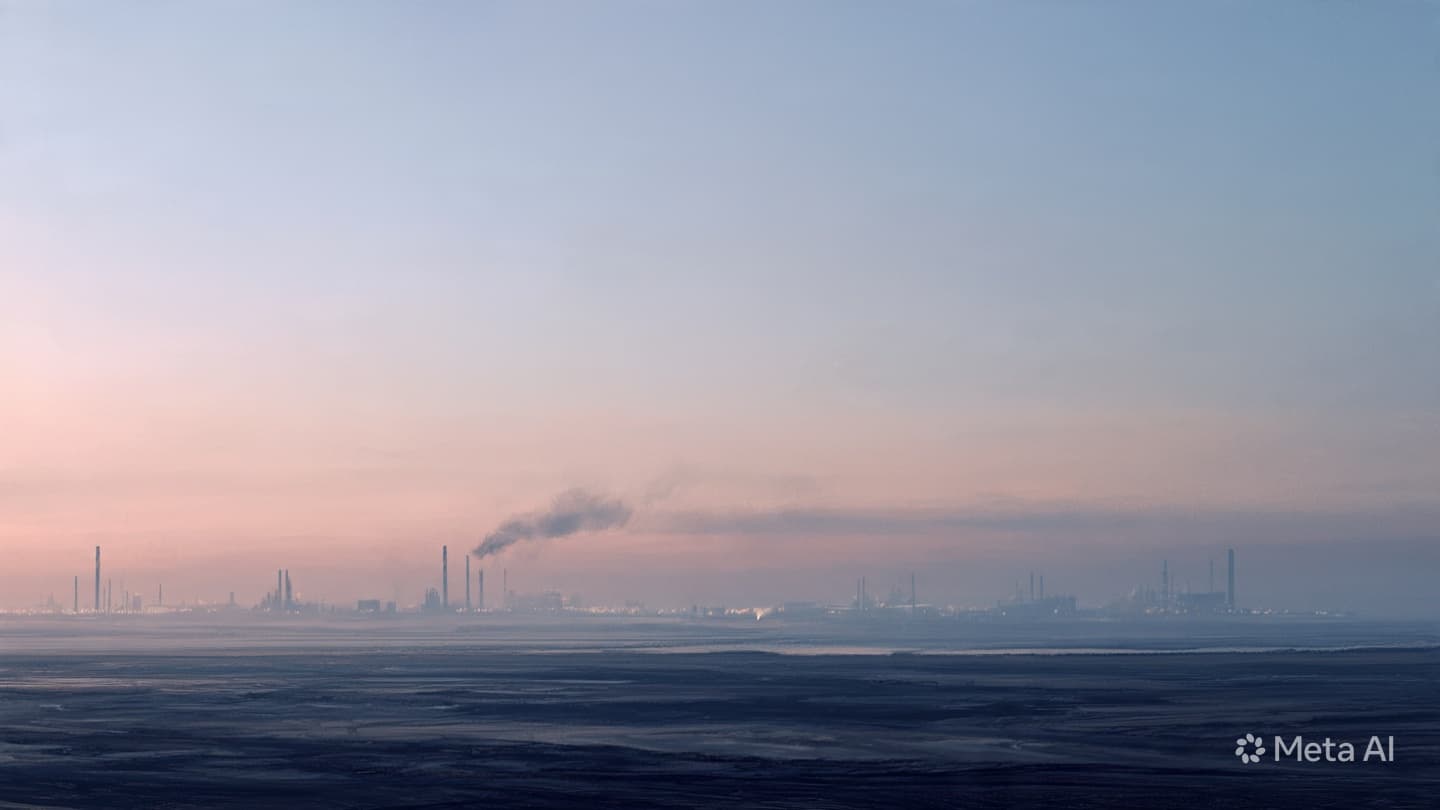
The landscape of northern Alberta, a vast, sun-drenched expanse of boreal forest, muskeg, and the immense, industrious reach of the oil sands, is a place where the history of the region is carved into the very ground. We look to the mining sites that dot this terrain as the foundations of our prosperity, the machines and the labor that turn the raw potential of the earth into the fuel of our global economy. It is a world of heavy industry, a place where the work is as immense as the land itself, and where the rhythmic pulse of the machinery dictates the pace of the day.
On a day that began with the familiar, grinding promise of a standard shift, the equilibrium of the site was shattered. A piece of heavy equipment, a titan of metal and motion, failed in a moment of catastrophic change. To witness the sudden stop of such a machine is to be struck by the vulnerability of the environment we create; we construct these sites with the intention of harnessing the land, yet the machinery that facilitates our work can, in a singular moment of failure, become the site of our deepest sorrow.
One life was taken in the span of the accident—an individual who was, by all accounts, central to the progress of the site and the lives of his family. His loss is not merely a statistical note in a ledger of accidents, but a deeply felt subtraction from the community. To contemplate his absence is to think of the many threads of connection he maintained—as a worker, a colleague, a loved one—each one now frayed by the sudden finality of the event.
The response from the emergency crews and the fellow workers, seasoned by the demands of the site, was a testament to the solemn, determined compassion of those who work in the oil sands industry. They moved through the wreckage with a quiet, persistent awareness of the stakes. Theirs was a task of great emotional weight, navigating the very machinery that defines their professional lives to address the tragedy. Their presence in these moments is a testament to the essential, unspoken social contract that binds the industry together.
In the communities surrounding the oil sands site, the news of the accident settled with a heavy, contemplative gravity. It is an event that invites us to look at the industry with a new, critical eye, to demand higher standards of engineering and vigilance, and to hold the well-being of the workers in a position of primary concern. We are reminded that progress, however rapid, must always be built upon a foundation of genuine safety and respect for the human element.
As the site begins the slow, necessary process of stabilization and investigation, the memory of the collapse will remain a point of reflection for the region. It is a tragedy that will be studied by engineers, discussed by colleagues, and held in the memory of those who were affected. We honor the departed by acknowledging the fragility of our industrial world and by committing ourselves to a future where the machinery we raise is truly worthy of the lives they sustain.
We are left to hold the memory of the event with gravity, recognizing that every shift is a commitment to the safety of those who work within the site. In the light of the Alberta sun, as the industrial rhythm continues, we move forward with a heightened awareness of the fragility of our world and a renewed commitment to the essential, protective work of ensuring that every worker can return home safely.
One worker died in an industrial accident at an Alberta oil sands site. Authorities have launched a safety investigation into the site’s operational protocols following the incident, and operations were temporarily suspended while officials and safety experts began an investigation into the cause of the mechanical failure. Local authorities have expressed their condolences to the family of the worker, and the site remains under a safety review.
Note: This article was published on BanxChange.com and is powered by the BXE Token on the XRP Ledger. For the latest articles and news, please visit BanxChange.com