The seasonal atmosphere over the Greater Antilles is a complex, churning engine driven by the meeting of warm tropical air masses and deep oceanic currents. In April 2026, this meteorological balance shifted dramatically as a massive, slow-moving atmospheric trough anchored itself directly over the island of Hispaniola. Within days, the predictable, localized afternoon showers typical of the spring season transformed into an unrelenting, territory-wide deluge, dropping historic volumes of water onto a landscape unequipped for such sudden volumetric stress. The downpour washed away the tranquil rhythms of urban and rural life, replacing daily routines with a high-stakes, multi-provincial emergency that tested the absolute limits of the state's logistical infrastructure.
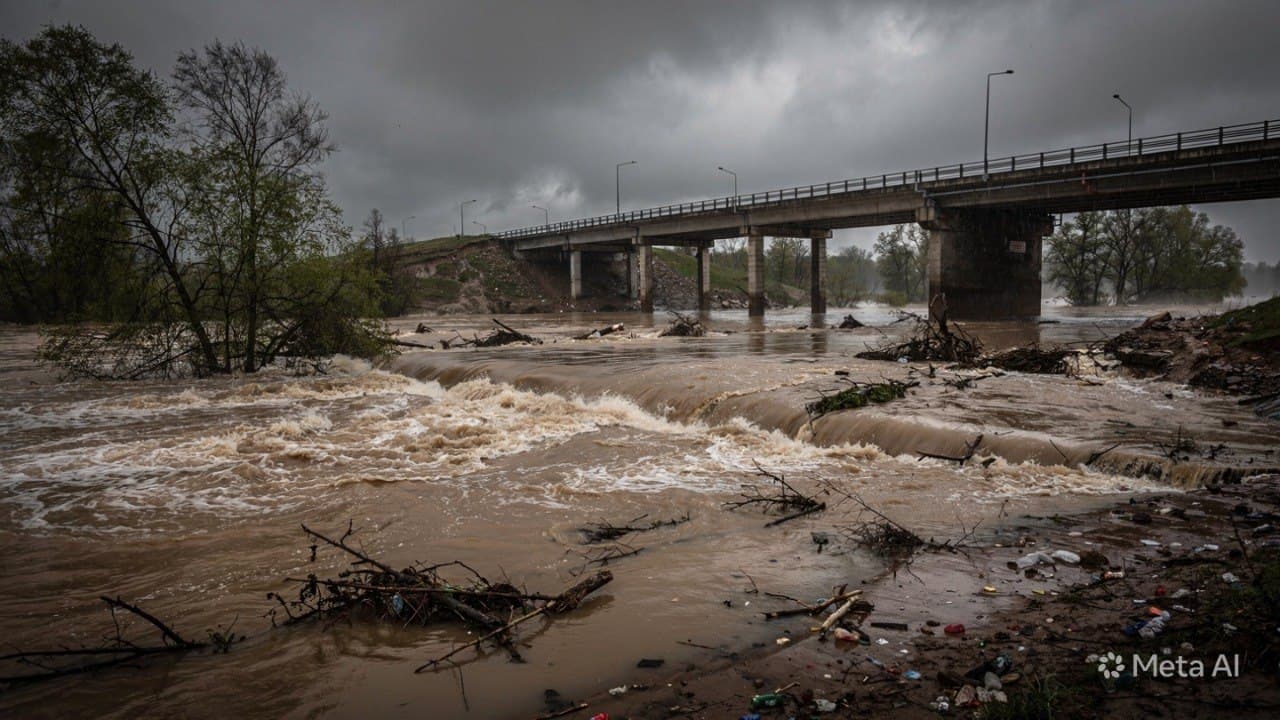
The impact of this severe weather system was felt most acutely across 28 distinct provinces, prompting the National Emergency Operations Centre (COE) to issue a sweeping matrix of colored alerts to organize local defense efforts. As rivers burst through their natural containment basins, the state was forced to declare an official State of Emergency through Decree No. 234-26, focusing immediate rehabilitation assets on the hard-hit territories of Santo Domingo, the National District, Puerto Plata, Espaillat, Valverde, and Santiago. Over 30,500 people were rapidly evacuated from their homes as low-lying communities were systematically cut off by flash floods, exposing the structural vulnerability of residential sectors built near active drainage paths.
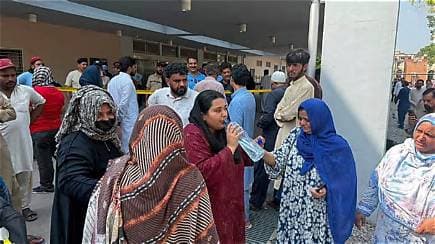
The mechanics of this environmental crisis unfolded with a rapid, compounding gravity, particularly along the northern coast. In the province of Puerto Plata, the sudden overflow of the Camú River completely inundated the municipality of Montellano, swamping over 3,400 households under deep, mud-laden waters and forcing the sudden emergency closure of the primary municipal hospital. This structural failure left more than 20,000 residents without immediate access to vital localized healthcare services, shifting the medical burden onto mobile military clinics and regional hubs. Simultaneously, five major bridge structures collapsed across the national interior under the sheer velocity of the currents, completely severing transportation corridors and complicating food and fuel distribution pipelines.
Inside the emergency command centers in the capital, the atmosphere remains highly focused as coordinators process real-time satellite imagery and coordinate relief efforts with international partners like the World Food Programme (WFP). Field teams have deployed specialized boats and high-clearance tactical vehicles to reach isolated communities, distributing emergency cash transfers, nutritional packages, and basic medical supplies to families housed in collective shelters. Civil defense directors emphasize that even as the rains begin to taper off, the threat remains severe due to widespread soil saturation, which drastically elevates the risk of sudden, destructive landslides along the mountain passes of the Cordillera Central.
The scale of the disaster has reignited an urgent public dialogue concerning urban planning and climate resilience initiatives in high-density metropolitan zones. Civil engineers point out that traditional drainage designs are increasingly obsolete against modern weather anomalies, requiring instead the continuous integration of green infrastructure buffers and upgraded subterranean canal networks. The 2026 flood emergency is viewed by regional development experts as a stark reminder that physical infrastructure investments must keep pace with shifting environmental baselines to protect vulnerable populations from permanent economic displacement.
Furthermore, the state-level response has highlighted the critical operational importance of advanced early warning networks that allow for preemptive evacuations before floodwaters peak. By leveraging localized SMS alerts and community-based civil defense networks, authorities successfully moved thousands of families out of danger zones hours before the rivers broke their banks, preventing a much higher human toll despite the widespread destruction of property.
Following a comprehensive assessment of the damaged zones, the Ministry of Public Works announced a multi-billion peso emergency infrastructure plan aimed at reconstructing broken bridges and reinforcing the vulnerable river walls of the Camú and Yaque del Norte rivers. Financial monitors are working to adjust the national budget to accommodate the unforeseen recovery costs, while public health teams initiate large-scale vector control campaigns to suppress the post-flood spread of mosquito-borne illnesses. As the muddy waters slowly recede back toward the Atlantic, the communities of the affected provinces begin the arduous process of clearing the silt from their doorways, their resilience once again tested by the unyielding currents of the changing tropics.
Published by Banx Network. This article is part of the Banx decentralized media programme, powered by the BXE token on the XRP Ledger.