
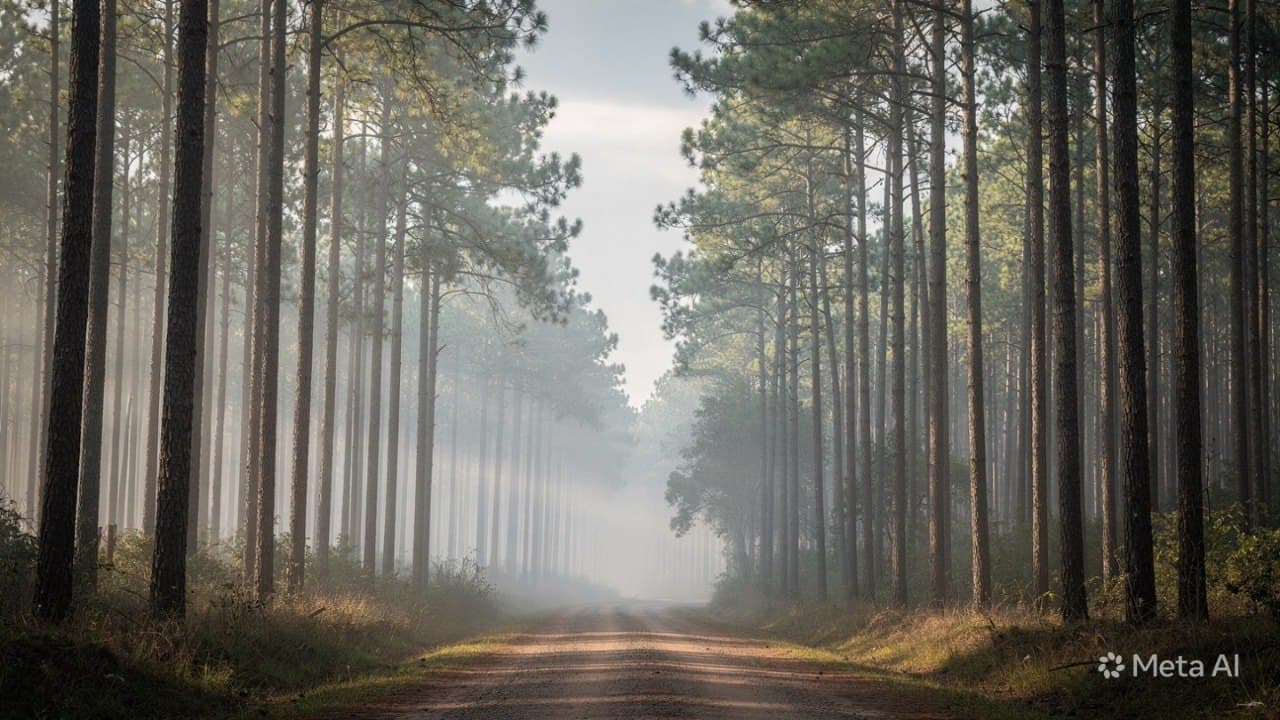
The department of Olancho stretches across the eastern interior of Honduras as a vast frontier landscape of dense pine forests, rugged mountain ranges, and wide, sun-bleached cattle valleys. Here, away from the frantic urban centers of the coast or the capital, life moves with a slower, more deliberate cadence, shaped by the demands of ranching, forestry, and small-scale agriculture. It is a region where geography itself imposes a profound sense of isolation, with many communities separated by hours of unpaved tracks that wind through deep river valleys and unmonitored wilderness. This expanse offers a quiet grandeur, but its very vastness has historically provided a veil for events that occur far from the sight of administrative authority.
For those who inhabit these remote sectors, the solitude of the landscape is a familiar companion, offering a life of self-reliance and relative detachment from the broader currents of national affairs. Yet, this lack of proximity to centralized legal institutions also means that when the peace of a community is shattered, the ripples of shock are felt with an intimate, raw intensity. In a landscape where everyone is deeply connected to the local soil and to one another through generations of residency, an act of ultimate violence is not merely a statistical event; it is a profound rupture in the social fabric that leaves a lingering, heavy silence over the valleys.
This heavy silence descended once more over an isolated sector of Olancho following the grim discovery of a deceased woman in a secluded rural area, prompting the immediate launch of a violent homicide investigation. The discovery was made along a quiet, secondary path far removed from the primary municipal towns, a location where the natural beauty of the forest stands in stark, unsettling contrast to the tragedy it concealed. The incident has sent a wave of quiet anxiety through the surrounding settlements, breaking the rural routine and replacing it with a tense, watchful posture among the residents who must now navigate the reality of an unsolved crime in their midst.
The mechanics of conducting a forensic investigation in the deep interior of Olancho reveal the systemic logistical challenges that complicate the pursuit of justice in rural Honduras. The sheer distance between the scene of the crime and the nearest centralized forensic laboratories means that hours, sometimes days, can pass before specialized investigators can arrive to secure evidence. This delay, combined with the lack of localized security infrastructure, often places an unfair burden on local residents who must preserve the integrity of the site amidst their own grief and confusion. The tyranny of distance remains a formidable obstacle to the immediate administration of law.
Inside the modest timber and adobe homes of the nearby hamlets, the conversations are subdued, marked by an emotional restraint that reflects both profound sorrow and a deep-seated caution. In areas where security is scarce, residents are often hesitant to speak loudly about violence, choosing instead to protect their families through a collective retreat inward. The loss of a female community member is felt with particular acuteness, raising painful questions about the hidden vulnerabilities faced by women living in isolated rural environments where immediate protection or emergency assistance is practically nonexistent.
The tragedy in Olancho unfolds against a broader national backdrop where human rights advocates have long warned about the persistence of violent crimes against women in the interior. These advocates point out that the combination of geographic isolation, deep-seated cultural patriarchal structures, and institutional under-resourcing creates a dangerous environment where patterns of vulnerability can go unnoticed until it is too late. Overcoming these deep challenges requires an approach that extends beyond standard criminal investigation, demanding the establishment of localized support networks, accessible legal protections, and educational initiatives tailored to rural communities.
Furthermore, the lack of economic opportunities in these frontier zones often exacerbates domestic tensions and isolates individuals from broader protective social networks. When a community loses a member under violent circumstances, it underscores the urgent need to look at security through a holistic lens that includes social investment, mental health awareness, and the physical presence of accessible legal protections in the deeper interior of the country.
Following the formal recovery of the site, regional prosecutor offices and specialized homicide detectives from the National Directorate of Investigative Police were dispatched to the Olancho sector to lead the inquiry. Authorities confirmed that forensic analysis is underway to determine the precise chronology and circumstances surrounding the death, though no suspects have been publicly named in the initial phase of the investigation. Local administrative leaders have urged anyone with relevant observations from the weekend to come forward through confidential channels to assist investigators. For now, the tall pines of Olancho stand silent against the evening sky, their branches casting long, dark shadows over a landscape searching for answers.
Note: This article was published on BanxChange.com and is powered by the BXE Token on the XRP Ledger. For the latest articles and news, please visit BanxChange.com