
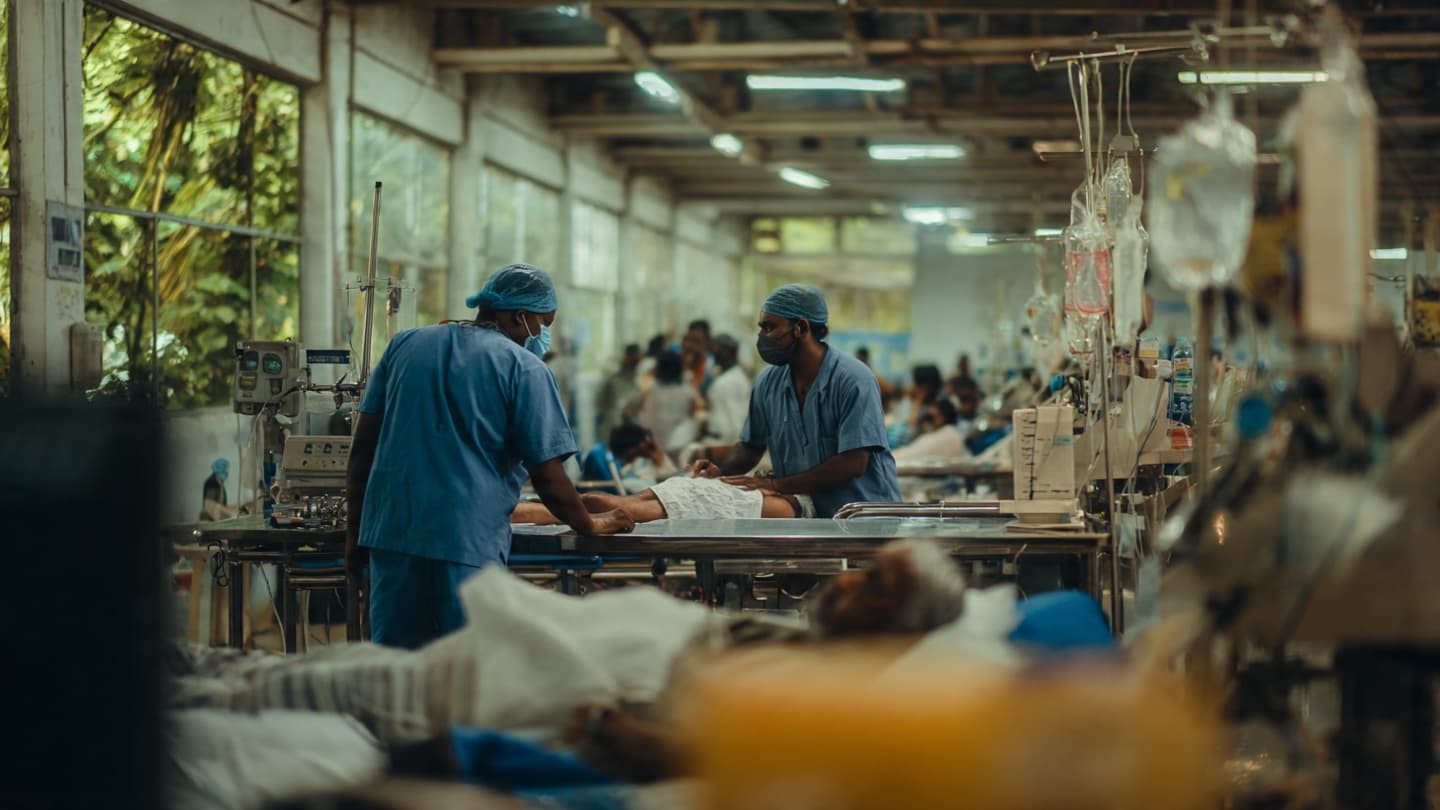
Public health challenges often arrive quietly before becoming impossible to ignore. What begins as scattered reports from local clinics can gradually develop into a nationwide concern. Sri Lanka is currently facing such a moment as health authorities respond to a significant increase in dengue fever cases across the country.
According to official health data, tens of thousands of infections have been recorded this year, placing additional pressure on hospitals and healthcare workers. Dengue fever, transmitted by mosquitoes, remains one of the most persistent public health threats in many tropical regions.
Medical professionals have intensified awareness campaigns encouraging residents to eliminate standing water where mosquitoes can breed. Public health teams are also conducting inspections and community outreach programs in areas reporting elevated infection rates.
The challenge is particularly significant during periods of seasonal rainfall. Increased precipitation can create favorable conditions for mosquito populations, making prevention efforts more difficult and resource-intensive.
Hospitals across affected regions have expanded monitoring measures to identify severe cases quickly. While many patients recover with appropriate medical care, dengue can become dangerous if symptoms progress without timely treatment.
Government agencies are coordinating with local authorities to improve sanitation efforts and strengthen surveillance systems. Public education remains a central component of the response strategy, as community participation is considered essential for controlling outbreaks.
Researchers continue studying long-term strategies for reducing dengue transmission. Advances in mosquito control technologies, disease monitoring systems, and public health planning are being explored in several countries facing similar challenges.
International health organizations have also emphasized the importance of regional cooperation. Mosquito-borne diseases do not respect administrative boundaries, making information sharing and coordinated responses increasingly important.
As Sri Lanka confronts the current surge, health officials continue urging vigilance while emphasizing prevention. The effectiveness of community action in the coming months may play a significant role in limiting the outbreak's overall impact.
AI Image Disclaimer: The visual content accompanying this report consists of AI-generated illustrations created for informational presentation.
Sources Verified Reuters World Health Organization (WHO) Associated Press Sri Lanka Ministry of Health BBC News
Note: This article was published on BanxChange.com and is powered by the BXE Token on the XRP Ledger. For the latest articles and news, please visit BanxChange.com