
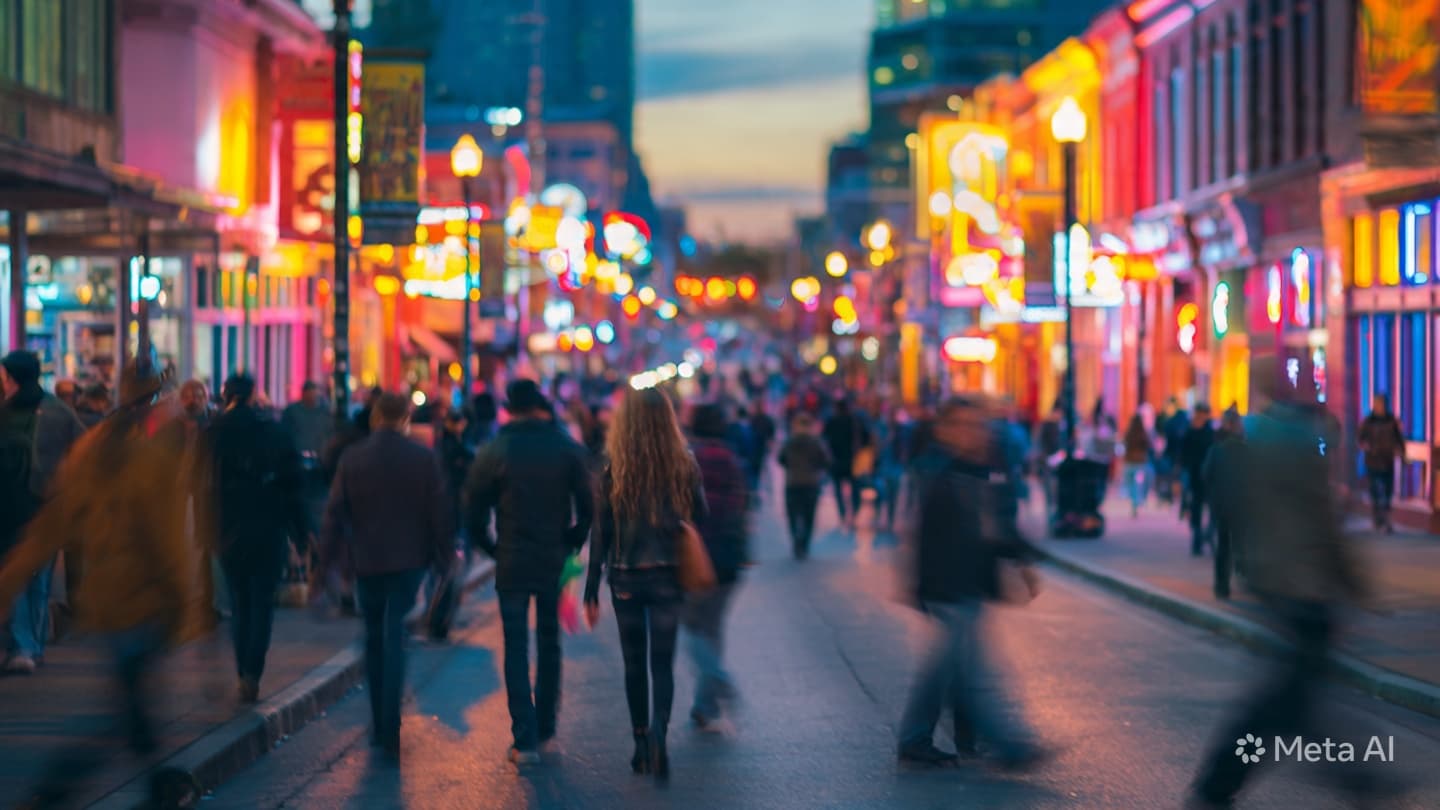
The urban landscape, with its tangle of commerce, residential bustle, and the constant hum of human activity, has always possessed its own unique, internal clock. In the capital, the transition from the busy afternoon to the cooler evening is usually marked by the shuttering of shops and the steady flow of commuters heading toward the suburbs. Recently, however, there has been a subtle shift in this rhythm, a sense of hesitation that lingers in the air as the city prepares for the night.
It is a quiet, creeping concern that has taken root among the residents, triggered by a noticeable increase in incidents of violent robbery within the downtown core. Streets that once felt familiar and secure now demand a higher level of awareness, turning a simple walk home into an exercise in vigilance. This tension is not something that announces itself with a roar, but rather something that simmers beneath the surface, changing the way people move and interact.
The architecture of the city, with its narrow alleyways and dimly lit street corners, has become a backdrop for a different kind of drama. For the small business owner, the closing time is no longer a sigh of relief but a moment of calculated caution, as they navigate the balance between profitability and personal safety. The vibrancy of the urban markets, which serves as the lifeblood of the local economy, is increasingly viewed through a lens of defensive pragmatism.
Those who spend their days navigating these spaces speak of a loss of the communal ease that once defined the heart of the capital. There is a palpable shift in the way neighbors acknowledge one another, a tightening of circles that reflects a broader, shared anxiety about the encroaching unpredictability. It is as if the city is struggling to reconcile its growth and ambition with the emerging challenges that threaten to undermine its social fabric.
This is a human story, measured not just in police statistics or the cold numbers of incident reports, but in the small, daily choices made by thousands of citizens. It is seen in the way a woman chooses a more brightly lit route, the way a shopkeeper secures the perimeter, and the way the evening laughter in the squares seems to fade a little earlier than it used to. These are the ripples of a broader, more systemic insecurity.
Yet, despite the mounting pressure, there is a persistent resilience that defines the people of this city. They continue to go about their lives, finding ways to adapt to the changing landscape without losing the warmth and connection that make the capital what it is. The streets remain full, the markets remain active, and the spirit of the urban community continues to push back against the tide of doubt that tries to define these modern times.
The response from the authorities has been to increase the visible presence of law enforcement, with patrols weaving through the residential and commercial districts with newfound frequency. Every flashing light that moves through the dark is a reminder that the state is watching, that it is attempting to impose a sense of order on the growing uncertainty. It is a necessary intervention, though one that underscores the reality of the situation.
As the city settles into the deeper hours of the night, the contrast between the quiet residential hills and the buzzing, troubled streets of the center becomes even more apparent. The path forward for the capital involves not just the suppression of crime, but the restoration of the trust that binds a city together. It is a slow, difficult, and essential task that requires the cooperation of every citizen who calls these streets their home.
The Royal Eswatini Police Service has launched a targeted initiative focused on reducing street-level violent crime in major urban districts through a combination of increased foot patrols and community-led surveillance. Officials are urging businesses to invest in upgraded lighting and perimeter security to minimize opportunistic threats in high-traffic corridors. The service continues to coordinate with municipal councils to refine lighting infrastructure and identify areas where urban environmental design can better support public safety.
Note: This article was published on BanxChange.com and is powered by the BXE Token on the XRP Ledger. For the latest articles and news, please visit BanxChange.com