
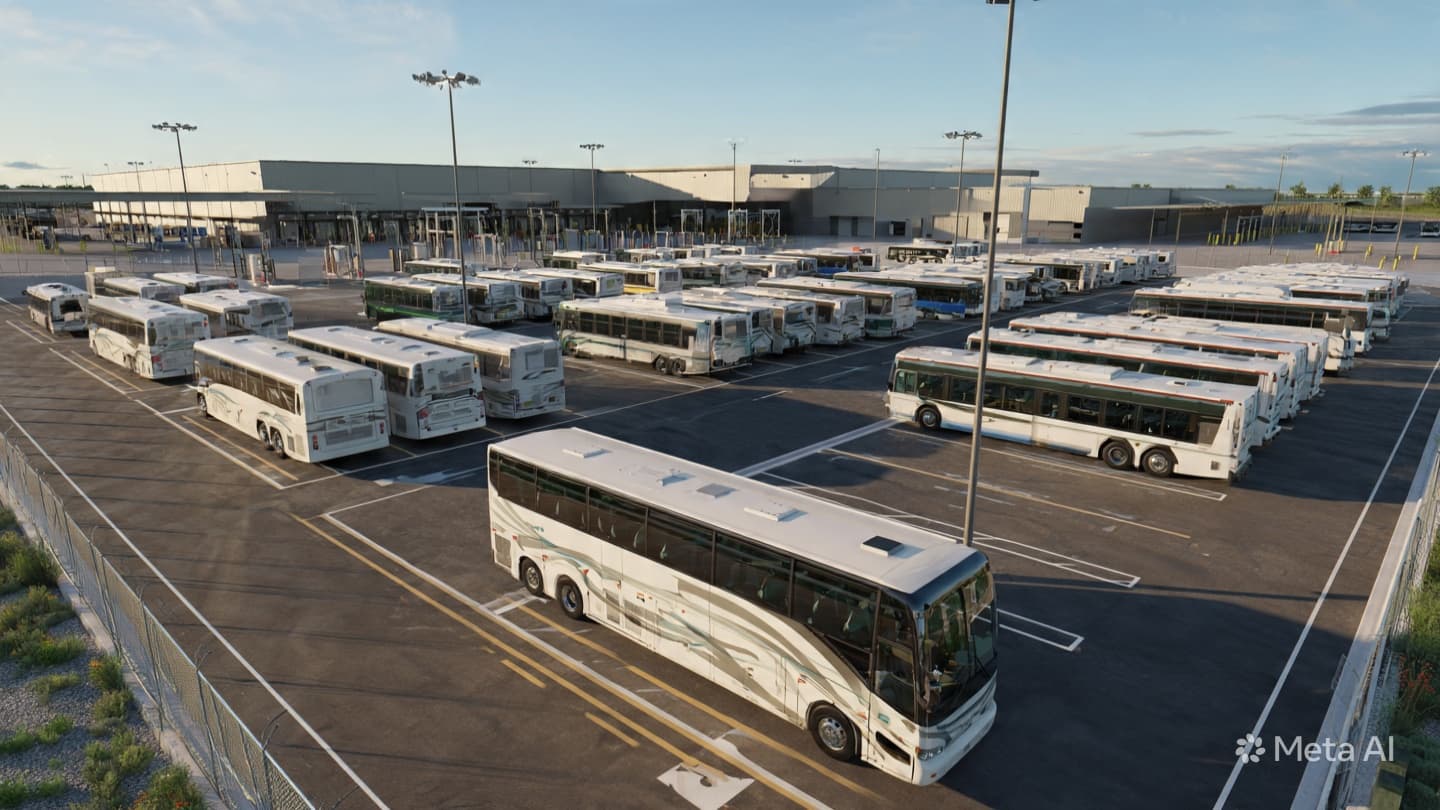
The halls of the transport ministry and the offices of a private bus operator are rarely the sites of high drama, yet today, they are the focal points of a profound, necessary investigation. Following the recent, devastating express bus accident that claimed a young life and left several others injured, officials have launched a comprehensive, on-site safety inspection. It is a process that seeks to bridge the gap between the operational reality of the company and the absolute, non-negotiable imperative of public safety.
The inspection is a methodical, highly technical labor. Inspectors are examining everything from the maintenance logs of the fleet to the individual training files of the drivers, looking for the threads of oversight or mechanical negligence that might have contributed to the tragedy. It is a formal, authoritative process, yet for those who have lost a family member in the crash, the administrative search for truth seems a distant, secondary pursuit to the immediate, crushing weight of their grief.
The bus company, once viewed as a reliable service provider, now finds itself under the intense, unforgiving spotlight of public and regulatory concern. The scrutiny is not merely a bureaucratic requirement; it is a fundamental test of the company’s commitment to the people it carries. To have an entire fleet and all of its operational procedures questioned is a humbling, sobering reality, one that forces a reevaluation of the corporate culture and the prioritization of the safety of the passenger.
Reflecting on the incident, one is compelled to consider the systemic failures that often underlie such disasters. We build our societies upon the foundation of such services, assuming a baseline of safety that we rarely have to test ourselves. When that safety is compromised, the failure is rarely the result of a single, isolated choice, but rather the cumulative result of a series of missed steps and overlooked standards. The investigation is an attempt to map that series, to identify the failures and to set a path for the necessary, systemic corrections.
The results of the inspection will eventually reach the public, bringing with them a sense of closure, but also, likely, a call for deeper, more significant reform. The process of accountability is a cornerstone of our ability to move through the world with confidence, but it is also a somber, reflective reminder of the price that is paid for the learning. The safety of the future is being built upon the painful, difficult foundation of the events that have already occurred.
As the inspectors continue their work, the industry itself is watching, taking note of the standards being enforced and the lessons being derived from the tragic accident. It is a moment of gravity, a point in the history of the transport sector that underscores the precious, fleeting nature of our presence and the absolute, foundational importance of the safety of our transit. The work continues, slow and methodical, but the focus remains on the assurance that such a tragedy will not be repeated.
We look to these events to learn, to grow, and to understand the risks that are inherent in the act of maintaining our modern transport systems. The ministry’s inspection is a vital step in the long, difficult path of healing and reconciliation for the community, a sign that the tragedy is being treated with the gravity it demands. The investigation will provide the answers, but the true measure of the work will be found in the future safety of every passenger who steps onto a bus.
The Ministry of Land, Infrastructure, Transport and Tourism has initiated an on-site safety inspection of the bus operator involved in a fatal expressway accident earlier this week. Officials are conducting a thorough review of the company's vehicle maintenance protocols, driver training programs, and fatigue management policies to identify potential safety lapses. This administrative action is part of a broader, mandatory safety investigation, and the results will be used to determine the necessary regulatory measures to ensure the continued safety of the company's operations.
Note: This article was published on BanxChange.com and is powered by the BXE Token on the XRP Ledger. For the latest articles and news, please visit BanxChange.com