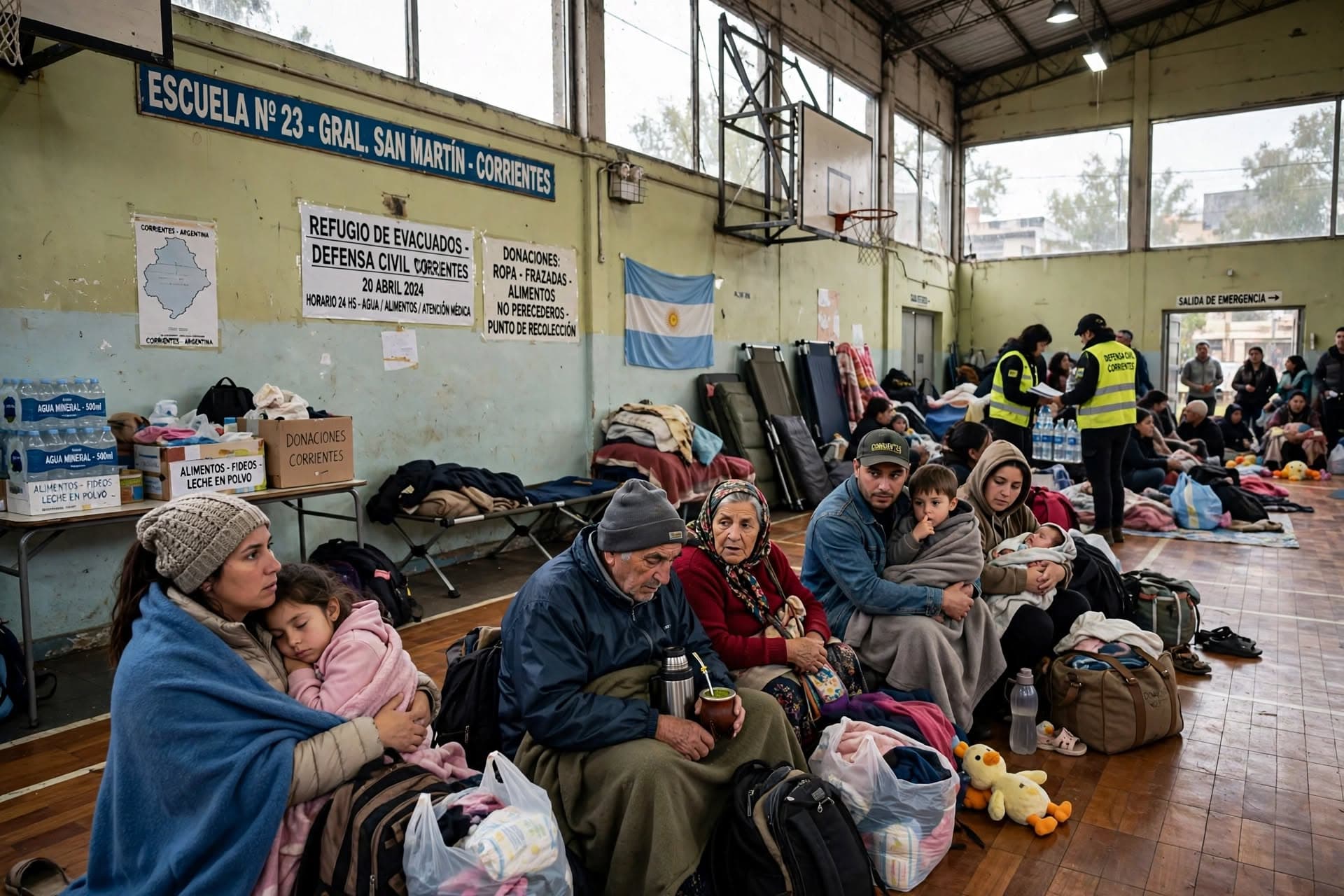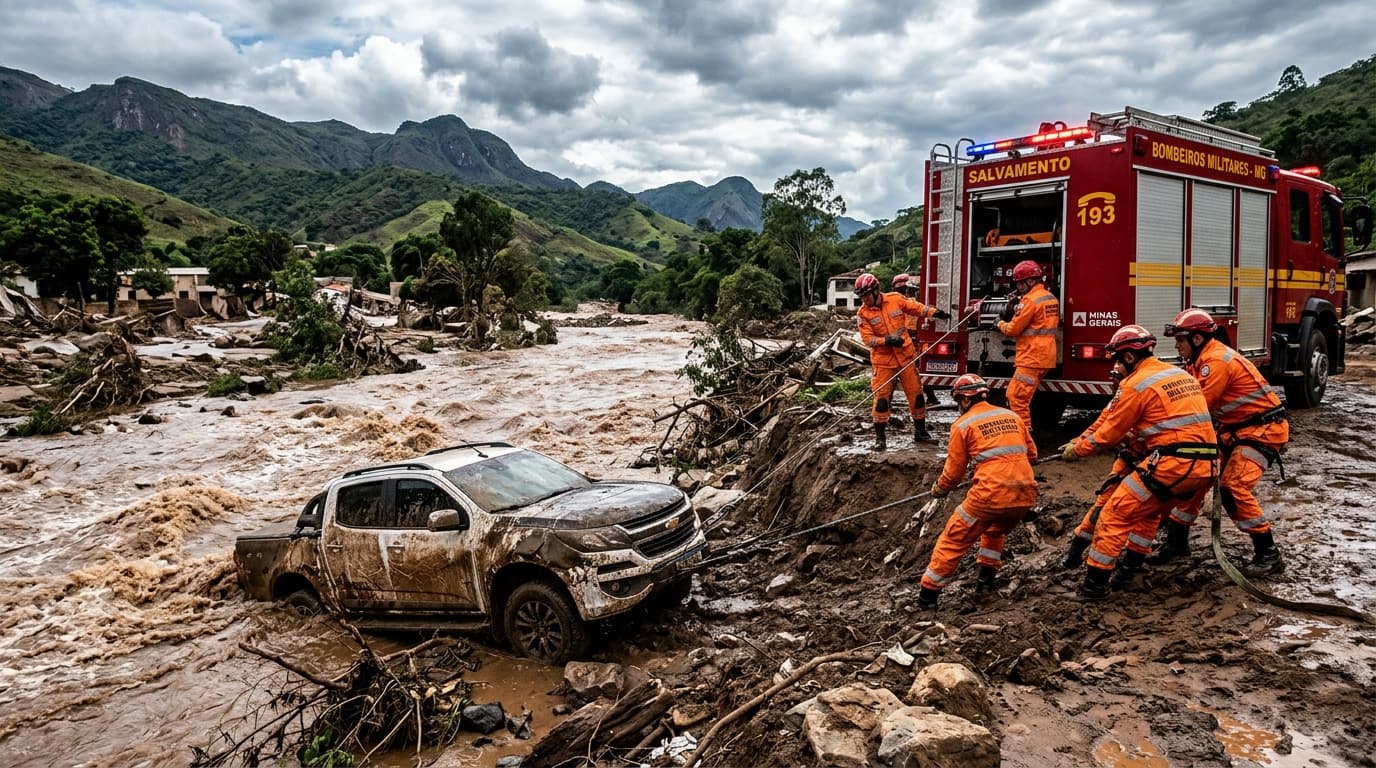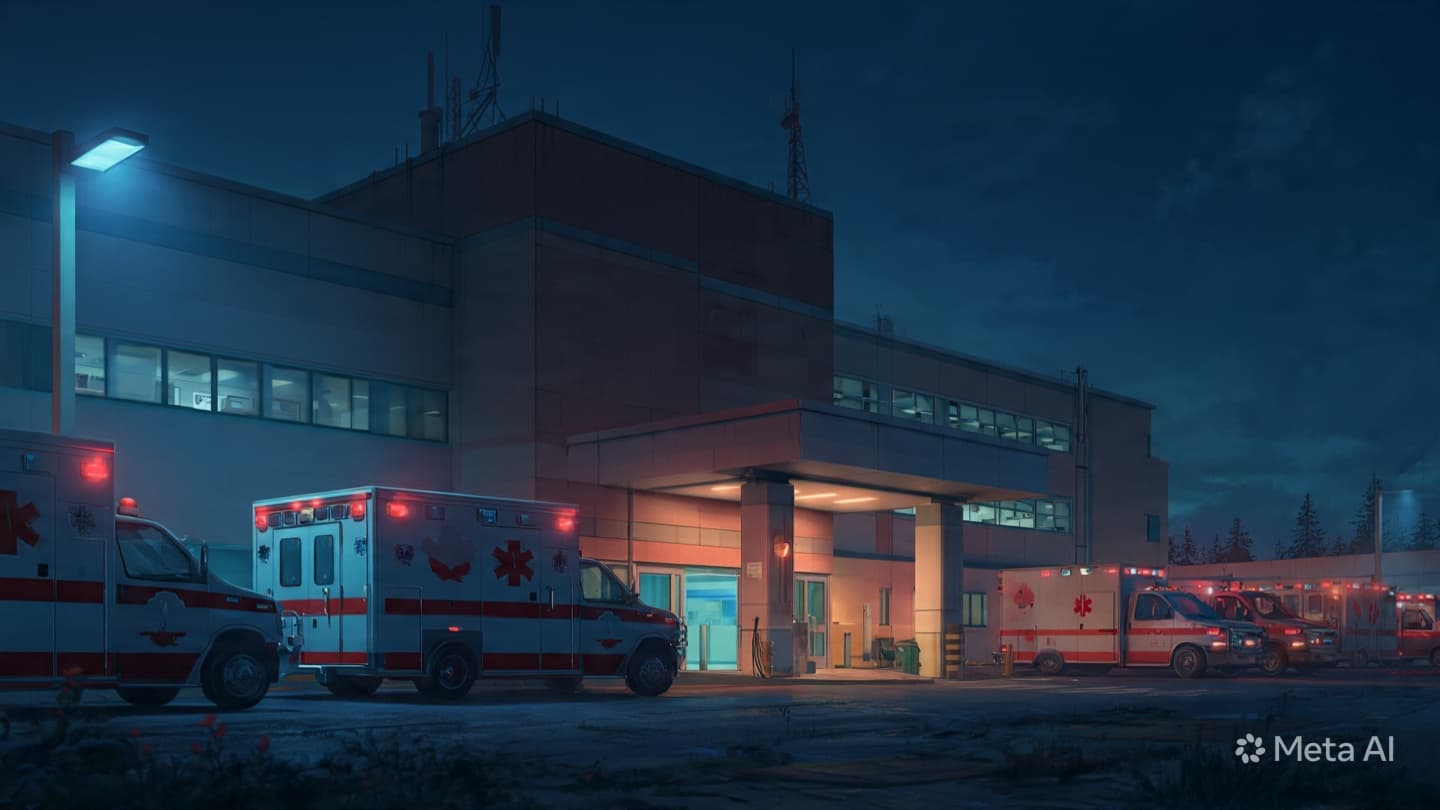
The hospital ward, with its white walls and the steady, rhythmic beeping of monitors, is a place of singular focus—the preservation of life. When that focus is suddenly expanded to accommodate a spike in trauma cases, the regional health service undergoes a profound, systemic strain. It is a quiet, urgent shift that ripples through the entire medical community, as surgeons, nurses, and support staff find themselves at the center of the regional response to a series of explosive, unpredictable events.
Each incoming patient brings with them a story of the incident—the sudden blast, the collapsing structure, the fragment of metal that changed the trajectory of a day. For the medical teams, these stories are filtered through the necessity of triage, a clinical, highly disciplined process that ensures the most critical care is delivered to those who need it most. There is a strange, somber grace in this work, where the chaotic tragedy of the outside world is transformed into a manageable, methodical sequence of life-saving actions.
The surge in injuries acts as a barometer for the state of the wider region. As the beds fill and the emergency departments reach their capacity, the health service becomes a reflection of the volatility beyond its doors. The staff, already operating in a state of high readiness, find their endurance tested by the sheer volume of trauma. It is a moment for editorial reflection on the essential, underlying vulnerability of our medical systems when confronted with the reality of persistent, explosive conflict.
The emotional toll on the hospital staff is a quiet, pervasive current. They are the ones who witness the physical manifestation of the violence, the injuries that speak to the brutality of the strikes. Yet, they remain steady, their focus pinned to the patient in front of them, their commitment a quiet, stubborn defiance of the destruction that brought the patients to their doors. There is a deep, human courage in the way they manage the strain, balancing the clinical demands of the trauma with the compassion required to support the survivors.
For the patients and their families, the hospital is a place of sanctuary, however temporary. It is where the trauma of the explosive event is parsed and treated, where the long process of recovery begins. The transition from the chaos of the impact site to the relative order of the ward is a critical step, a movement toward the stability that every survivor seeks. It is a process marked by the slow, painful work of healing, both physical and psychological.
The regional health services are not merely reacting to the injuries; they are managing the health of the community. As the influx continues, the coordination between hospitals becomes paramount, a complex logistics operation that ensures resources are directed where they are most needed. It is a testament to the organizational strength of the system that it can adapt so rapidly to the spike, even while operating under the pressure of such acute, unpredictable demand.
Looking ahead, the challenge for the health service is to maintain this level of preparedness while addressing the long-term needs of the survivors. The spike in injuries is a reminder that the conflict has a lingering, physical legacy, one that will require ongoing support long after the smoke has cleared from the impact sites. It is a sobering conclusion to a period of heightened activity, leaving the medical community to continue their essential, often invisible, labor.
Ultimately, the health service serves as the final, critical support for those touched by the explosions. The strain they face is an indicator of the wider instability, a measure of how deeply the conflict has reached into the domestic sphere. The dedication of the medical teams, working in the face of such relentless demand, remains the most powerful and hopeful response to the violence that currently defines the region.
Throughout June 2026, regional health authorities in border areas have reported a sustained 20% increase in trauma-related admissions. Hospitals and emergency centers, particularly in regions adjacent to the conflict zones, have had to implement emergency overflow protocols to manage the influx of patients with blast-related injuries. Medical directors emphasize that while the initial surge was triggered by concentrated periods of aerial and artillery activity, the long-term diagnostic and rehabilitation needs of the survivors are placing a secondary strain on specialized surgical and outpatient departments.
Published by Banx Network. This article is part of the Banx decentralized media programme, powered by the BXE token on the XRP Ledger.