Deep beneath layers of sediment and time, the ocean floor preserves stories that predate human memory by millions of years. Occasionally, these stories resurface through discovery, offering glimpses into ancient worlds long gone.
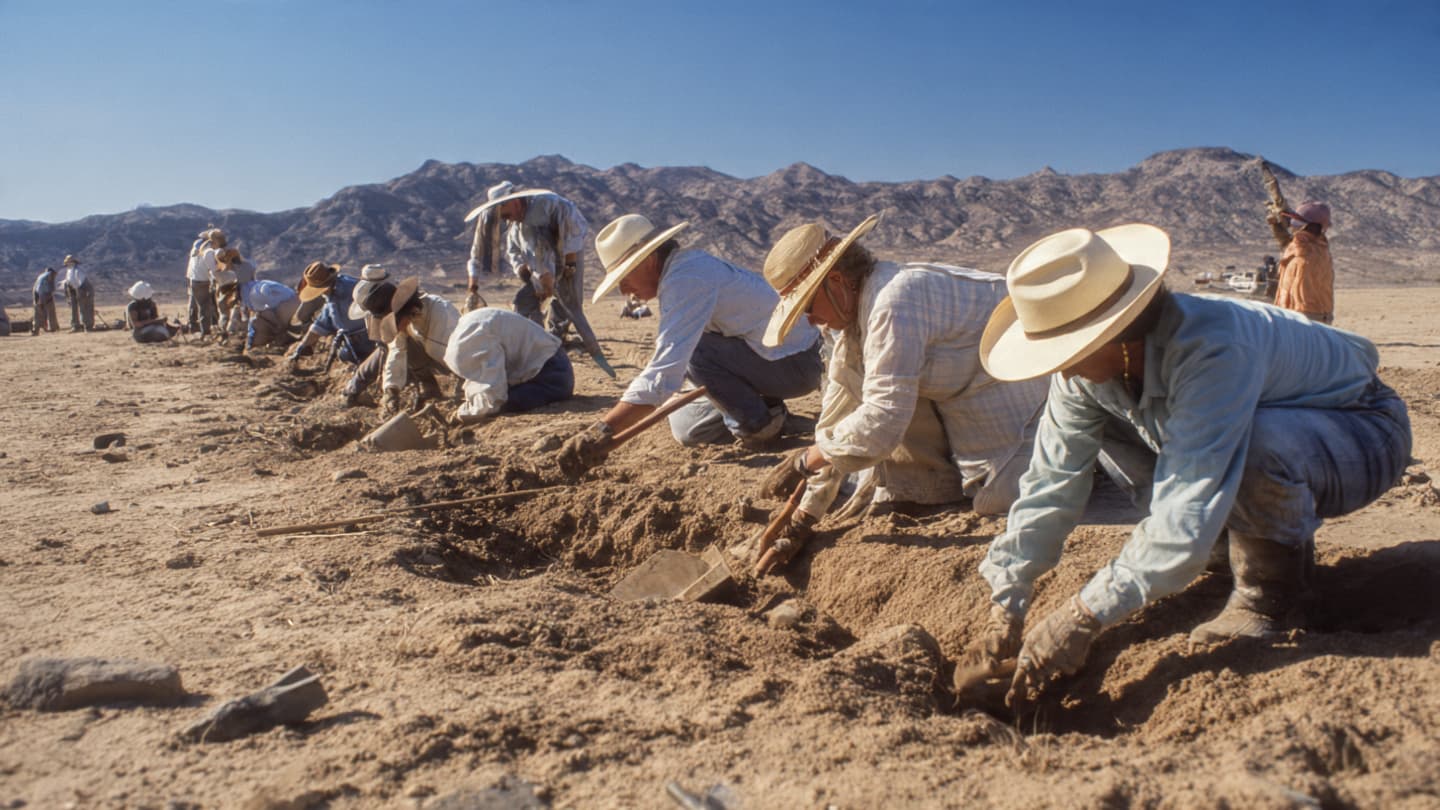
Body: Paleontologists have uncovered what is being described as a “whale graveyard,” a site containing fossilized remains of marine mammals estimated to be around five million years old. The discovery provides valuable insight into prehistoric marine ecosystems.
Such sites are rare because they require specific conditions for preservation, including rapid burial and minimal disturbance over geological time. These conditions allow organic remains to slowly transform into fossil records.
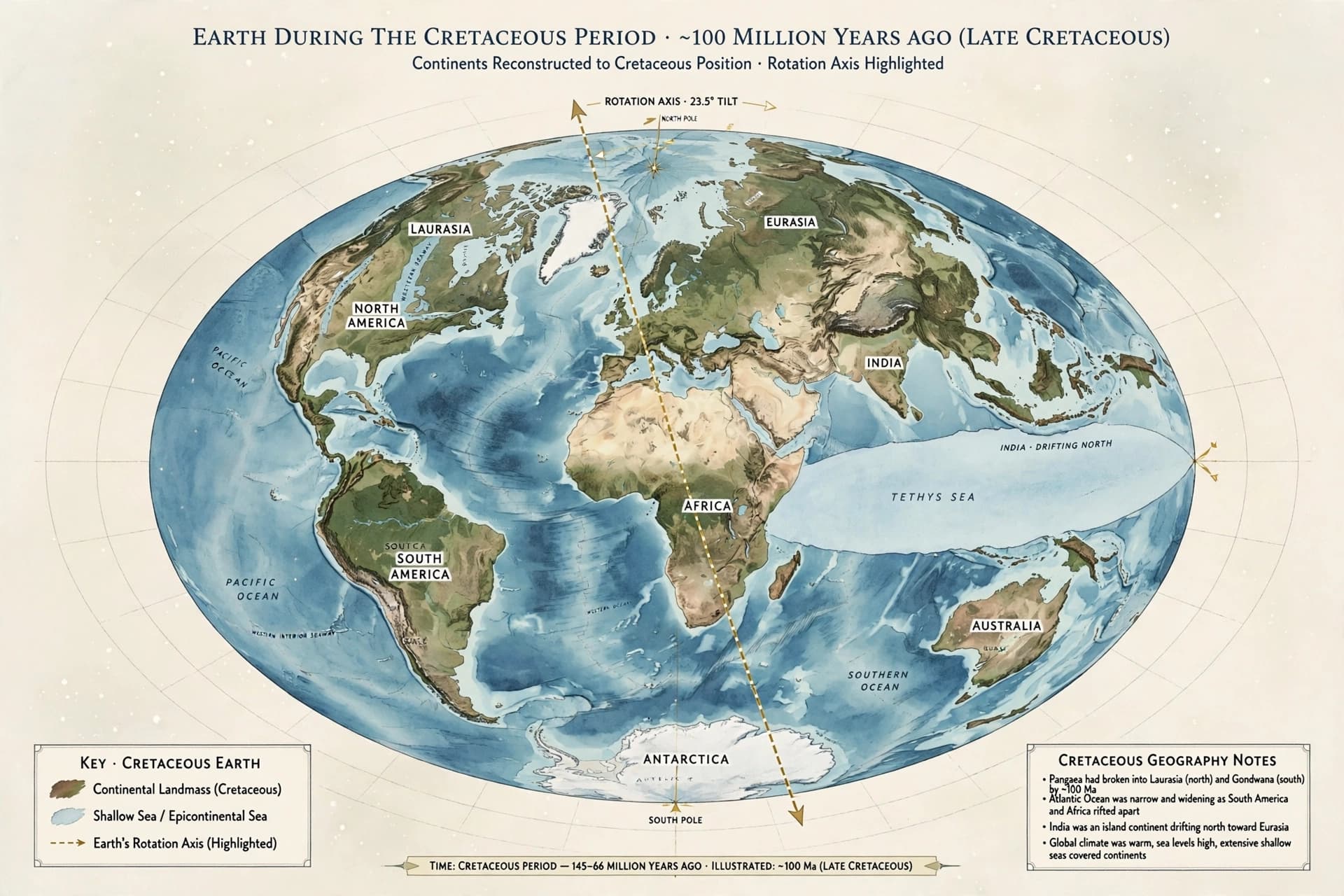
The fossils suggest that ancient whale species once inhabited regions that may have been significantly different in climate and ocean structure compared to today. This helps scientists reconstruct past environmental conditions.
Researchers analyze not only the bones but also surrounding sediment layers, which can reveal information about ancient ocean temperatures, salinity, and ecological activity.
The discovery also contributes to understanding whale evolution, particularly how early species adapted to changing oceans over millions of years. These insights help connect modern marine biology with deep evolutionary history.
While the site is still under study, early findings highlight the complexity and richness of ancient marine life. Each fossil adds another piece to a long and incomplete puzzle of Earth’s biological past.
Paleontology continues to rely on such rare discoveries to refine scientific understanding of how life on Earth has changed over geological time scales.
Closing: As researchers carefully extract and analyze these remains, the ancient ocean speaks once again—offering quiet testimony to a world that once existed beneath very different seas.
AI Image Disclaimer: All images are AI-generated for educational and illustrative purposes.
Sources: National Geographic, Science Magazine, Nature Geoscience, Smithsonian, Phys.org
Published by Banx Network. This article is part of the Banx decentralized media programme, powered by the BXE token on the XRP Ledger.