
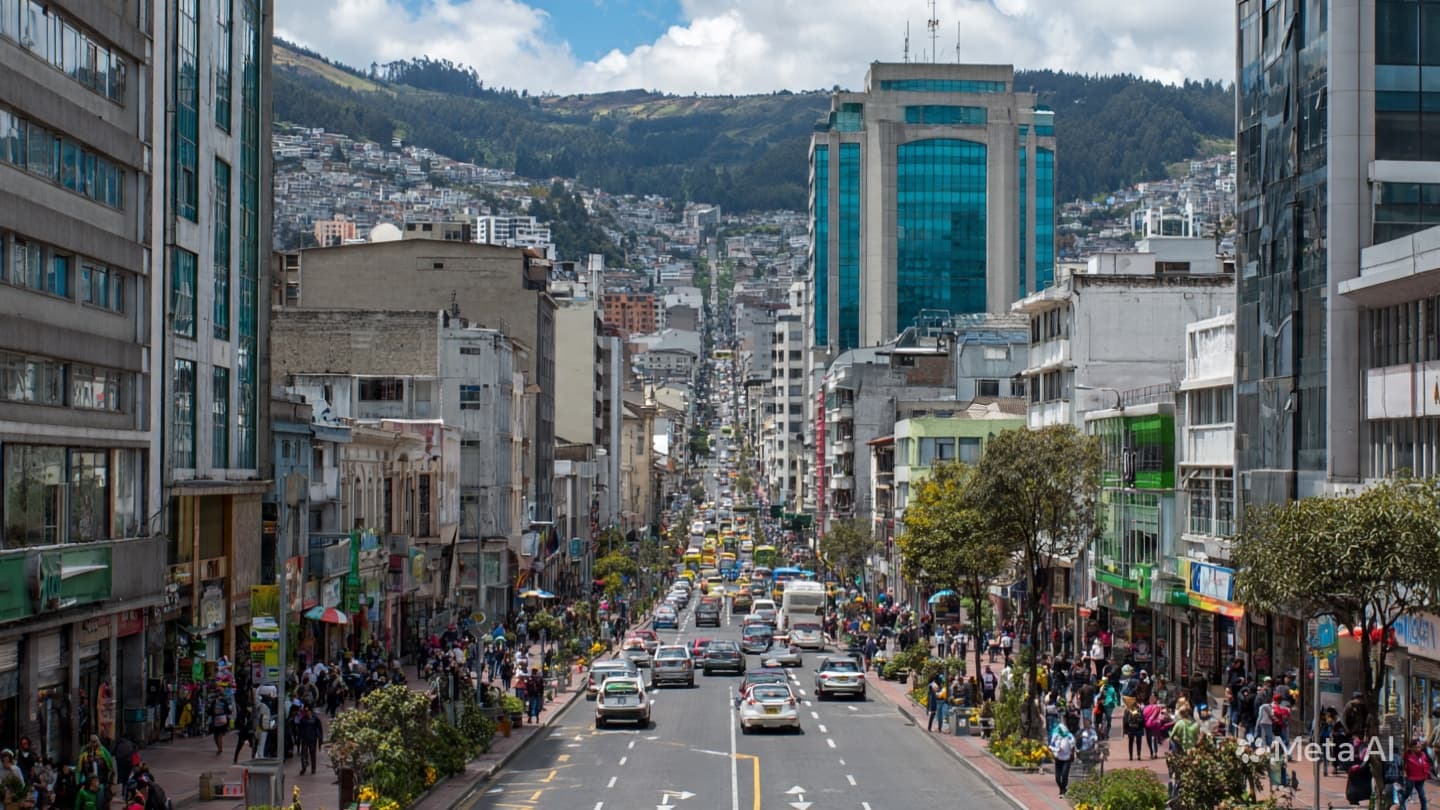
The city of Quito, with its Andean majesty and historical depth, is a place where the daily rhythm of life is usually dictated by the hum of commerce and the simple, human connections of the marketplace. Yet, in these past days, that rhythm has been interrupted by the sharp, undeniable intrusion of violence. When a robbery at a local supermarket turns deadly, the tragedy ripples outward, leaving the city to grapple with the realization that the sanctuaries of our daily routines are no longer immune to the broader, systemic tides of conflict.
One life has been lost—a guardian, a person who stood at the threshold between the safety of the interior and the volatility of the outside. The encounter, a brief and brutal exchange in the aisles where people buy their bread and milk, is a reminder of the fragility of the peace we attempt to build within our urban walls. It is a loss that goes beyond the statistic, speaking to the profound vulnerability of those who serve as the thin line of defense in a society increasingly challenged by the reach of organized crime.
To reflect on this event is to confront the changing landscape of Quito, a city that has historically been a bastion of relative tranquility. The shift is subtle but persistent, a layering of insecurity that now accompanies the common acts of urban living. When the supermarket becomes a site of crossfire, the public square is diminished. The tragedy serves as a catalyst for a more somber consideration of our collective safety, and of the burdens we place on those who work in the service of our security.
The mourning for the fallen is a quiet, collective recognition that the cost of our current instability is being paid by the most visible members of our society. In the aftermath, the community must navigate the difficult space between the demand for stronger, more effective enforcement and the desire for a return to the warmth and safety of the city we once knew. The investigation is a necessary step, but it is only the beginning of a broader conversation that Quito must have with itself.
Looking toward the future, the city stands at a crossroads. The resilience of the people—their determination to keep their doors open, their markets full, and their lives moving forward—is the most potent answer to the violence that seeks to hold them back. But that resilience needs the support of a state that is present and capable of ensuring that the aisles remain a space for commerce and conversation, not a theater for the desperate reach of the criminal element.
As the city continues to move, the memory of this loss remains as a permanent marker in the history of the neighborhood. It is a call to acknowledge the fragility of our public spaces and to honor those who give their lives in the pursuit of a safer, more integrated future. In the end, the task of reclamation—of restoring the sense of trust and tranquility to our city—is the most profound way to honor the departed, ensuring that their sacrifice is the final, heavy price paid for the restoration of peace in the heart of our capital.
Local authorities confirmed that a shopper was killed during an armed robbery attempt at a supermarket in the Iñaquito sector of Quito. The incident escalated when a security guard intervened, leading to a shootout that resulted in fatal injuries. Police successfully neutralized the primary assailant, while two officers were injured in the ensuing operation. The case has sparked significant public outcry regarding urban security, with officials promising increased police patrols in high-traffic commercial zones to mitigate the risk of similar daytime attacks.
Note: This article was published on BanxChange.com and is powered by the BXE Token on the XRP Ledger. For the latest articles and news, please visit BanxChange.com