
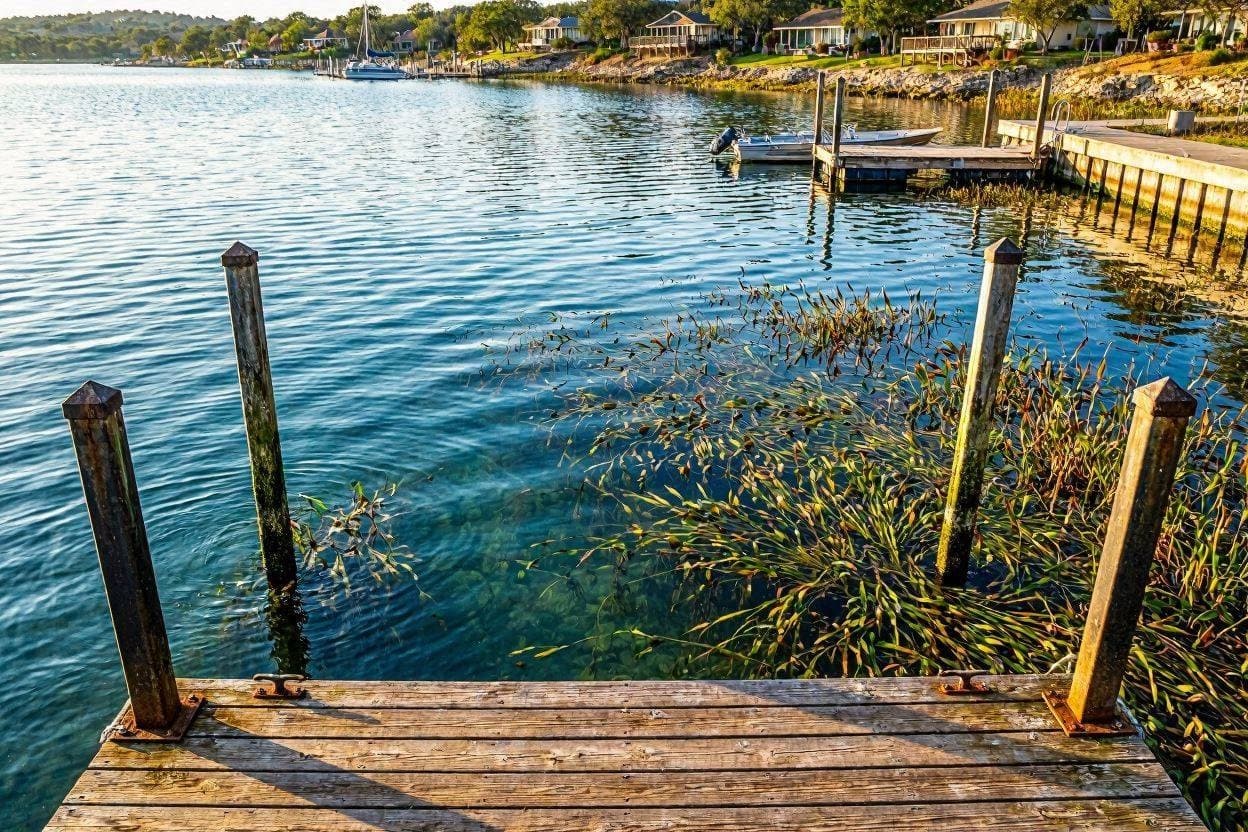
Water has a way of reclaiming space, slowly at first and then with sudden insistence. In Central Texas, the waters of Lake Travis have risen beyond their usual boundaries, spilling into floodplains that had long been dry. This surge comes in the wake of devastating regional floods and coincides with the approach of Tropical Storm Bertha, creating a precarious situation for homeowners who watch the shoreline creep closer to their foundations. It is a moment where nature’s power meets human vulnerability, demanding both respect and resilience.
Lake Travis, a vital reservoir for the region, reached 100 percent capacity for the first time in seven years, a milestone that signals both abundance and danger. The recent heavy rains, which dropped historic amounts across the Hill Country, filled the basin to its brim. Now, with the lake level exceeding its normal pool, water has begun to inundate areas that are typically safe, threatening properties that have stood secure for decades.
The timing of this overflow is particularly concerning as Tropical Storm Bertha forms in the Gulf of Mexico. While the storm is currently tracking toward the coast, its potential to dump additional rainfall on an already saturated landscape raises the specter of further flooding. Meteorologists warn that even modest amounts of new precipitation could exacerbate the situation, pushing river levels higher and complicating drainage efforts in low-lying communities.
For residents near the lake, the rising water is a source of deep anxiety. Many have spent days sandbagging driveways and moving valuables to higher ground, hoping to mitigate the damage. The sight of familiar landmarks submerged serves as a stark reminder of the transient nature of security in flood-prone regions. Community networks have activated, with neighbors checking on one another and sharing resources to cope with the uncertainty.
Local authorities are monitoring the situation closely, issuing warnings and preparing emergency responses. The Lower Colorado River Authority, which manages the lake, has adjusted release rates to manage downstream impacts, but the sheer volume of water limits their options. The balance between protecting infrastructure and preventing downstream flooding is a delicate one, requiring constant assessment and adaptation.
The broader context of climate variability adds weight to these events. As weather patterns become more extreme, the frequency of such high-water marks may increase, challenging existing flood management strategies. This incident underscores the need for updated planning and investment in resilient infrastructure that can withstand the changing dynamics of water flow.
Despite the threat, there is a sense of communal strength. Volunteers are assisting with evacuations, and local organizations are providing support to those displaced by the rising waters. This collective response highlights the enduring spirit of Texas communities, which have faced similar challenges before and emerged with renewed determination.
As Lake Travis holds its swollen waters and Bertha approaches the coast, the region stands in a state of cautious vigilance. The coming days will test the preparedness of both individuals and institutions. Through careful monitoring and community cooperation, the hope is to navigate this high-water period with minimal loss and maximum safety.
AI Image Disclaimer: The visuals accompanying this article are AI-generated illustrations of rising lake levels and flood preparation scenes, designed to reflect the thematic elements of the story.
Sources: Fox 7 Austin CBS Austin KXAN CNN Weather
Note: This article was published on BanxChange.com and is powered by the BXE Token on the XRP Ledger. For the latest articles and news, please visit BanxChange.com