
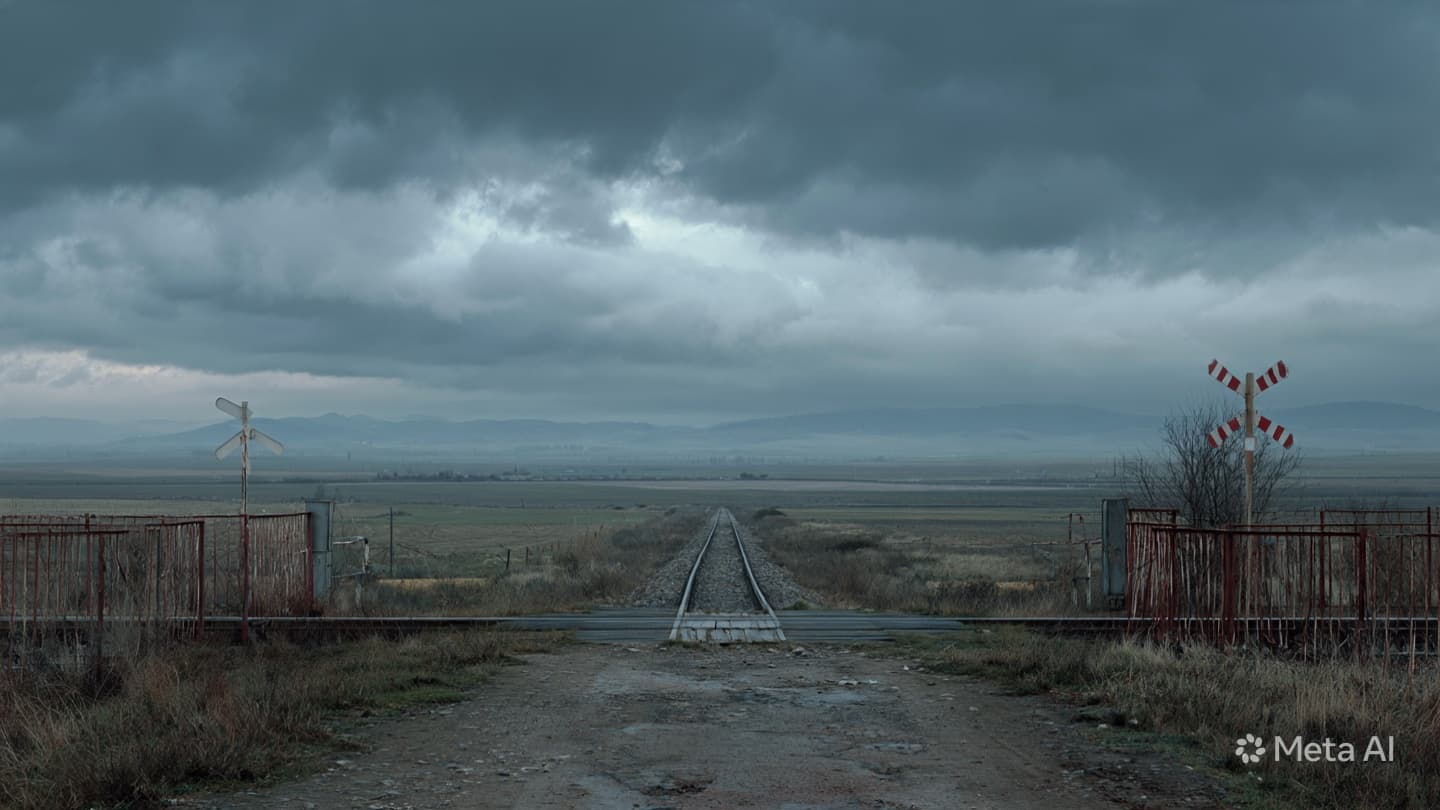
The rhythm of life in Holguín is often marked by the intersection of traditional movement and the steady, heavy pulse of the rail network. There is a predictable, functional grace to the way these paths cross, a choreography that has governed transit for generations. When that rhythm is shattered by the sudden, grinding impact of a collision between a bus and a train, the shockwave is not just physical; it is an interruption of the landscape’s very soul. It is a moment where the mundane reality of travel is eclipsed by the stark, tragic finality of loss.
To stand at the scene of such a collision is to witness the sheer, kinetic power of our infrastructure when it deviates from its purpose. The wreckage, scattered across the crossing, is a grim testament to the vulnerability of those who navigate these transit routes. The atmosphere is one of profound, heavy silence—a stark contrast to the usual, rhythmic sound of the crossing signals—as the community and the responders work to process the scale of the disaster. It is a moment of deep, collective reflection, as the tragedy touches families across the entire province.
Emergency responders in Holguín have moved with the measured, urgent focus that such incidents demand, their efforts to secure the site and provide aid a reflection of the commitment to public safety in the face of the unimaginable. The logistical challenge of managing a rail-crossing disaster is significant, as the coordination between transport authorities and emergency medical services is a delicate, step-by-step process. Each life affected is a narrative cut short, a story that the province must now absorb into its own history of resilience.
The community’s response, characterized by a profound, shared mourning, speaks to the strength of the bonds that tie the people of Holguín together. In the wake of the collision, the focus is on the survivors and the families who are now grappling with the sudden, overwhelming grief of their loss. It is a time for stillness, for the gathering of community support, and for the necessary, difficult task of reconciling with the fragility of our daily paths.
Reflecting on the nature of the collision, the province is forced to consider the safety of its crossings and the adequacy of the warning systems that manage this intersection of modes. This is not merely a search for fault, but a deeper, more reflective inquiry into how we can ensure that such a tragedy is not repeated. The authorities have promised a thorough investigation, a commitment that is as necessary for the future of the province’s transport as it is for the immediate resolution of the disaster.
Administrative efforts are currently centered on the recovery of the scene and the identification of the victims, a somber process that is being carried out with the utmost care. The province stands in a state of suspended animation, waiting for the results of the investigation and the return of a sense of normalcy. It is a period defined by the weight of the tragedy, yet also by the steady, persistent effort to provide answers and comfort to those who have been most deeply affected.
As the wreckage is eventually cleared and the rail crossing is returned to service, the memory of the event will remain, a quiet, lingering ghost at the intersection. The recovery of the province from such a disaster will be a long, slow process, marked by the shared burden of grief and the ongoing need for a more secure, resilient transit future. Holguín will carry this loss, reflecting on the fragility of the paths we tread and the importance of every moment spent in transit.
Provincial authorities in Holguín have confirmed a fatal collision between a passenger train and a bus at a rail crossing, resulting in multiple fatalities and serious injuries. Rescue teams have concluded the initial search and recovery operations, and the injured have been transported to regional hospitals for critical care. A high-level technical investigation has been initiated to determine the cause of the failure at the crossing, and the province has declared a period of mourning for the victims.
Note: This article was published on BanxChange.com and is powered by the BXE Token on the XRP Ledger. For the latest articles and news, please visit BanxChange.com