
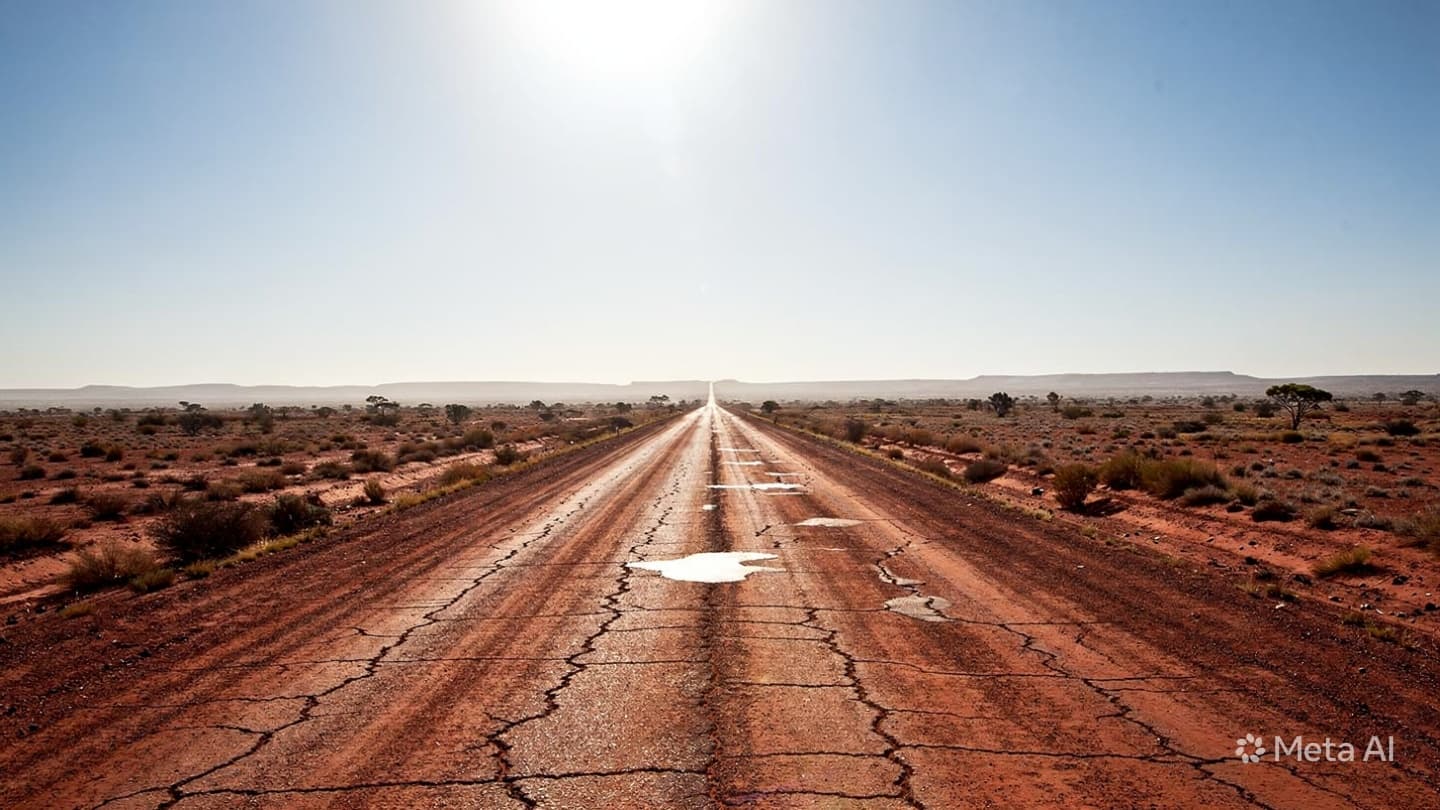
The Australian Outback is a landscape of profound, ancient stillness, where the red earth meets an endless, vast sky in a way that makes the human presence feel small and transient. To travel the Outback Highway is to navigate a world of long, straight lines and distant, shimmering horizons, where the rhythm of the journey is defined by the steady hum of tires and the gradual shifting of the desert light. It is a place of rare, startling beauty, but also one of hidden, unforgiving distance.
When a life is lost in the quiet vastness of the desert, the tragedy carries a different kind of weight. It is a moment of sudden, violent motion in a landscape that usually rewards the slow, steady pace of the traveler. The rollover of a vehicle, in the middle of a stretch of road that seems to offer nothing but time, is a jarring interruption to the meditative nature of the Outback.
For a teenager, the journey represents the beginning of the road—the promise of distance, the excitement of discovery, and the sense of independence that the open highway provides. To have that potential cut short in the desert sun is a loss that ripples far beyond the immediate site of the collision. It is a disruption of the future, a silence that descends where there should have been the long, unfolding narrative of a life.
Emergency responders in these remote areas carry a unique burden, arriving across vast distances to scenes that are physically and emotionally isolated. Their work is a testament to the community’s commitment to look after its own, even in the most unforgiving corners of the province. They navigate the red dust and the heat, bringing order to the wreckage of a moment that has fundamentally altered the trajectory of a family and a community.
The Outback does not hold the memory of these events in the way a city does; the wind and the dust eventually erase the physical signs of the impact. The skid marks fade, the debris is gathered, and the road returns to its quiet, expectant state. But for the loved ones of the teenager who died, the stretch of highway becomes a permanent marker of a loss that time cannot easily smooth over.
In the aftermath, the investigation by local authorities seeks to make sense of the mechanical and environmental factors—the fatigue of the road, the speed, the drift of the tires—that contributed to the rollover. It is a clinical effort to translate the chaos of the crash into a narrative that can be understood, though the understanding rarely provides the comfort that is needed.
We often view the Outback as a place to test our limits, a vast expanse that demands our respect and our caution. The loss of a young life serves as a somber reminder of that demand. It forces us to acknowledge the fragility of the traveler in a land that is as magnificent as it is indifferent to our passage.
As the authorities finalize their reports, the highway will continue to pull travelers toward the horizon. The journey continues, but the memory of the rollover remains a part of the history of the road, a quiet warning to those who travel the red earth to respect the immense, hidden power of the distance.
Police are investigating a single-vehicle rollover that claimed the life of a teenager on a remote stretch of the Outback Highway. Local authorities have called for witnesses as they piece together the circumstances that led to the vehicle leaving the road.
Note: This article was published on BanxChange.com and is powered by the BXE Token on the XRP Ledger. For the latest articles and news, please visit BanxChange.com