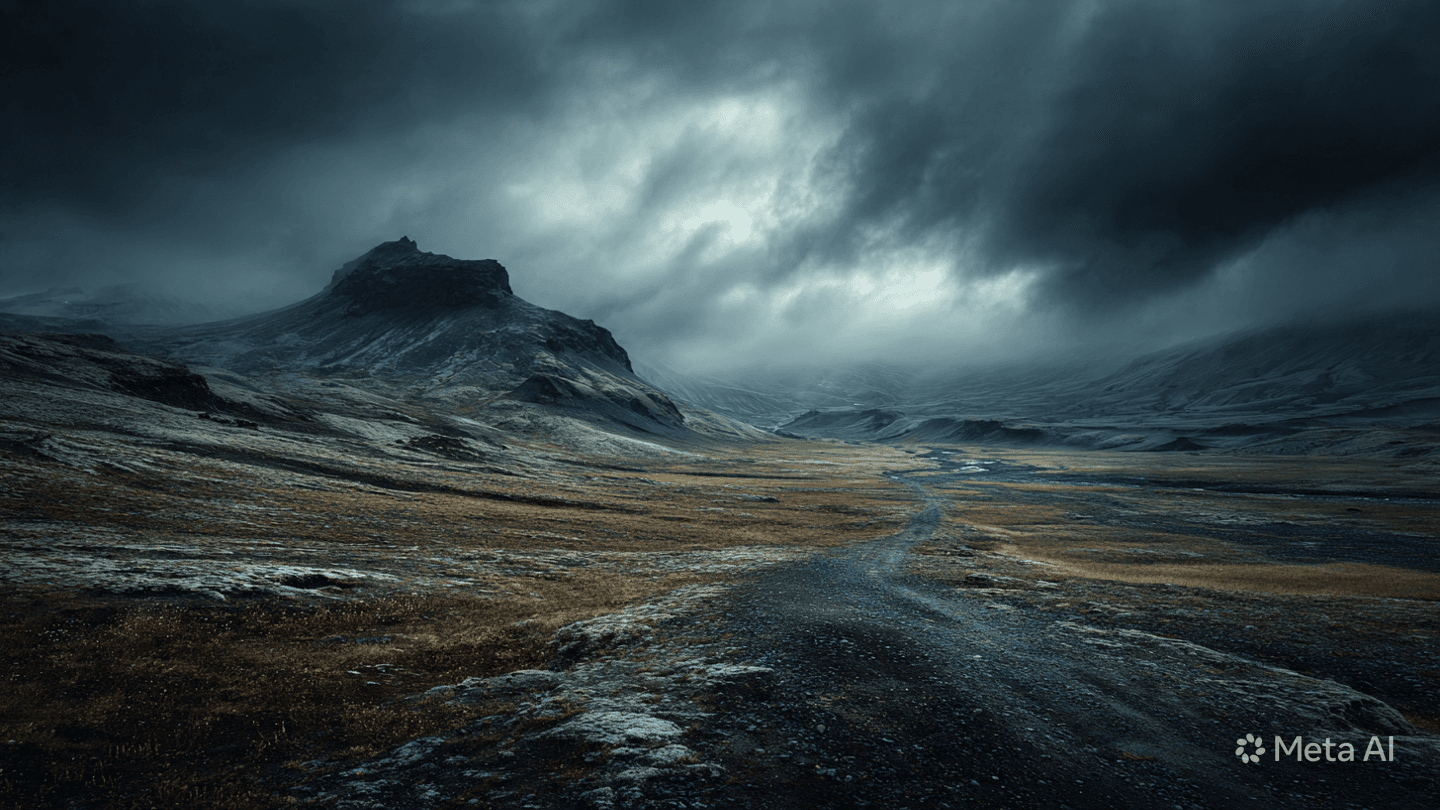
The Icelandic Highlands are a landscape of raw, unfiltered majesty, where the land is sculpted by fire, ice, and the persistent, restless breath of the North. It is a vast, open expanse that beckons to the traveler, yet it is governed by a set of ancient, non-negotiable rules. When the wind picks up its pace, echoing through the mountain passes and rattling the jagged edges of volcanic rock, the Icelandic Road and Coastal Administration acts with a quiet, practiced resolve. The recent decision to close specific F-roads is a testament to this ongoing, respectful dialogue between human infrastructure and the wild environment.
These closures are not meant as obstacles, but rather as necessary pauses—a way of acknowledging that some elements are beyond the reach of human control. The danger of potential rockfall, triggered by the relentless pressure of high winds against precarious slopes, is a reminder that the Highlands are a living, changing geology. To traverse these paths during such moments would be to ignore the wisdom of the land itself. By closing the gates, the authorities ensure that the human presence in these remote regions remains marked by safety rather than vulnerability.
The process of closing a road is a calm, bureaucratic act that carries significant weight. It is the result of constant monitoring, where sensors and on-the-ground reports provide a clear picture of the risks. There is no sentimentality in these decisions; they are grounded in a deep understanding of the terrain’s volatility. For the traveler, these notices serve as a boundary, a place to stop and reflect on the privilege of venturing into such a raw and demanding space. It is an invitation to respect the pause, to wait for the sky to settle and the ground to find its stillness again.
In this quiet interval, the mountain roads are left to their own devices, reclaimed by the atmosphere of the interior. The wind continues its long, sweeping journey across the valleys, and the rocks remain in their precarious positions, waiting for the energy of the storm to dissipate. It is a scene of profound, isolated beauty, untouched by the rush of human itinerary. The roads, though currently barred to traffic, remain a vital part of the Icelandic spirit—a reminder of the wild frontier that sits at the very heart of the country.
One might view these closures as a disruption, yet they are more accurately seen as a form of stewardship. By managing access, the administration preserves the delicate ecosystem of the interior, preventing the irreparable damage that might be caused by wheels churning through thawing soil or unstable paths. It is an act of long-term protection, ensuring that these routes remain viable for generations to come. The restraint we exercise today is a gift to the future of the Highland experience.
As the warnings remain in place, the rest of the country continues to operate with its accustomed grace. The paved network, resilient and reliable, carries the flow of daily life, while the Highlands remain in a state of suspended animation. It is a balance that reflects the Icelandic way of life: a readiness to yield to the forces of nature without losing the steady, organized pulse of society. We are merely guests in this rugged interior, and we must learn to listen to the messages it sends through the wind.
When the winds eventually subside and the potential for rockfall fades, the administration will reassess the conditions with the same careful, clinical eye. They will inspect the tracks, clear the debris, and gradually reopen the gates, allowing the rhythmic migration back into the mountains to begin again. Until that time, the silence of the Highland gates is a powerful symbol of our humility. It is a reminder that in Iceland, the land does not belong to us; we are simply lucky enough to pass through it, provided we respect its timing.
In the final analysis, these closures are a sign of a society that values the safety and well-being of its people above the convenience of the journey. The Icelandic Road and Coastal Administration’s oversight provides a framework of calm within which we can explore, even when the environment demands a moment of caution. We wait, we reflect, and we appreciate the necessity of these boundaries, knowing that when we return to the Highlands, it will be because the land has invited us back once more.
Published by Banx Network. This article is part of the Banx decentralized media programme, powered by the BXE token on the XRP Ledger.