.jpg&w=3840&q=75 "When the High Stone Yields: Reflections on a Sudden Fractured Facade in the Village")
Buildings, much like the people who construct them, carry their age in ways both visible and hidden. The stone, mortar, and plaster that line the streets of an established town present a face of enduring permanence to the world, standing against decades of frost, wind, and sun. Yet, beneath the painted exterior, moisture and shifting temperatures work in secret, slowly loosening the bond between the decorative surface and the load-bearing frame. It is a slow, multi-generational process that often announces its completion in a single, sudden moment of gravity.
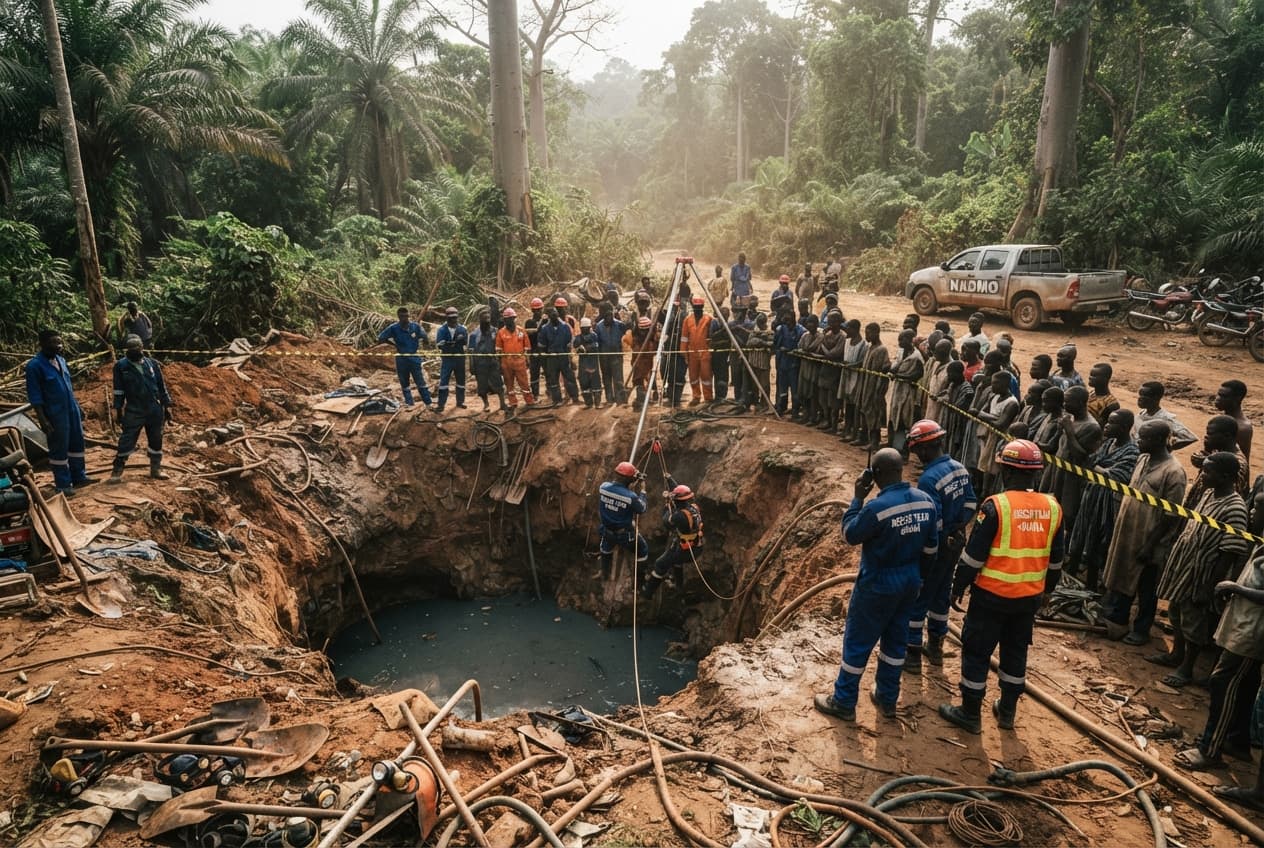
The sudden detachment of a structural facade element brought an abrupt halt to the morning quiet of a village street. Without warning, a substantial portion of decorative masonry separated from the upper floor of a commercial building, sending plaster and brick crashing onto the sidewalk below. The impact echoed through the narrow lane, a sharp, concussive sound that immediately disrupted the local shopkeepers as they opened their doors for the day. It was a stark reminder that even the shelters we rely upon are subject to the steady, unyielding laws of decay.
Emergency response units and municipal safety officers arrived on the scene within minutes, establishing a wide exclusion zone around the base of the compromised structure. The initial sweeps brought a collective sigh of relief as it was confirmed that no pedestrians were walking beneath the overhang when the masonry gave way. However, the immediate absence of injury did not diminish the gravity of the situation; the remaining portions of the facade looked unstable, their edges jagged and pulling away from the interior timber.
The roadway was temporarily closed to both vehicular and pedestrian traffic, transforming a familiar thoroughfare into an active engineering assessment zone. Barriers were erected at either end of the block, forcing local traffic into unusual detours through secondary residential lanes. The sudden stillness that settled over the street was striking, the empty sidewalks and dark shop windows giving the area the appearance of a theatrical set waiting for the actors to return.
Structural engineers were quickly dispatched to the site, utilizing specialized ladder trucks to inspect the fracture line up close. From the street level, their movements appeared deliberate and cautious as they tapped the remaining plaster with specialized hammers, listening to the hollow notes that indicate hidden voids and structural separation. Their diagnosis is critical; they must determine if the building can be stabilized through immediate bracing or if the entire exterior must be systematically removed for safety.
The disruption caused a temporary pause for the local businesses that depend on the steady flow of foot traffic along the lane. Owners stood at the edges of the police tape, looking toward their shops with a quiet resignation, understanding that safety must take precedence over the day's profits. It is a manifestation of community patience, an unspoken agreement that the structural integrity of the street is a collective responsibility that affects everyone who shares the space.
As the afternoon advanced, workers began erecting heavy wooden scaffolding along the front of the damaged building, creating a protective canopy over the sidewalk. This structure is designed to catch any further falling debris, allowing the roadway to be reopened safely while long-term repairs are carried out. The sound of hammers and drills replaced the usual hum of village conversation, a industrious response to the sudden failure of the stone.
By evening, the initial safety checks were completed, and local authorities announced a partial reopening of the lane under strict monitoring conditions. The building itself stood shrouded in netting and timber, its architectural grace temporarily hidden behind the functional poetry of repair. The incident serves as a quiet warning to property owners throughout the historic quarters that the beauty of an ancient facade requires constant, vigilant stewardship from one generation to the next.
Published by Banx Network. This article is part of the Banx decentralized media programme, powered by the BXE token on the XRP Ledger.